

Product Description
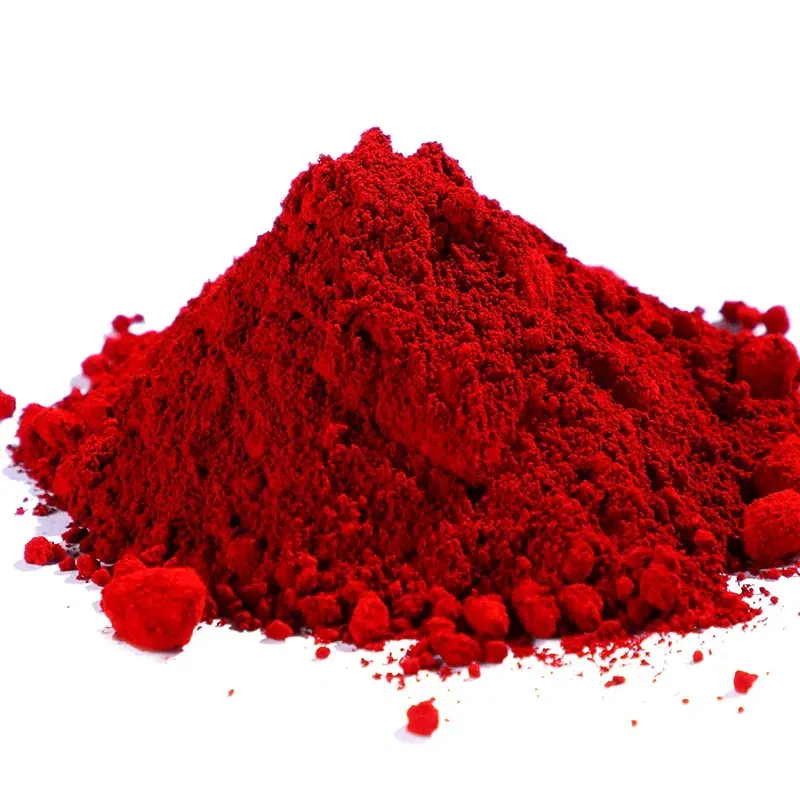
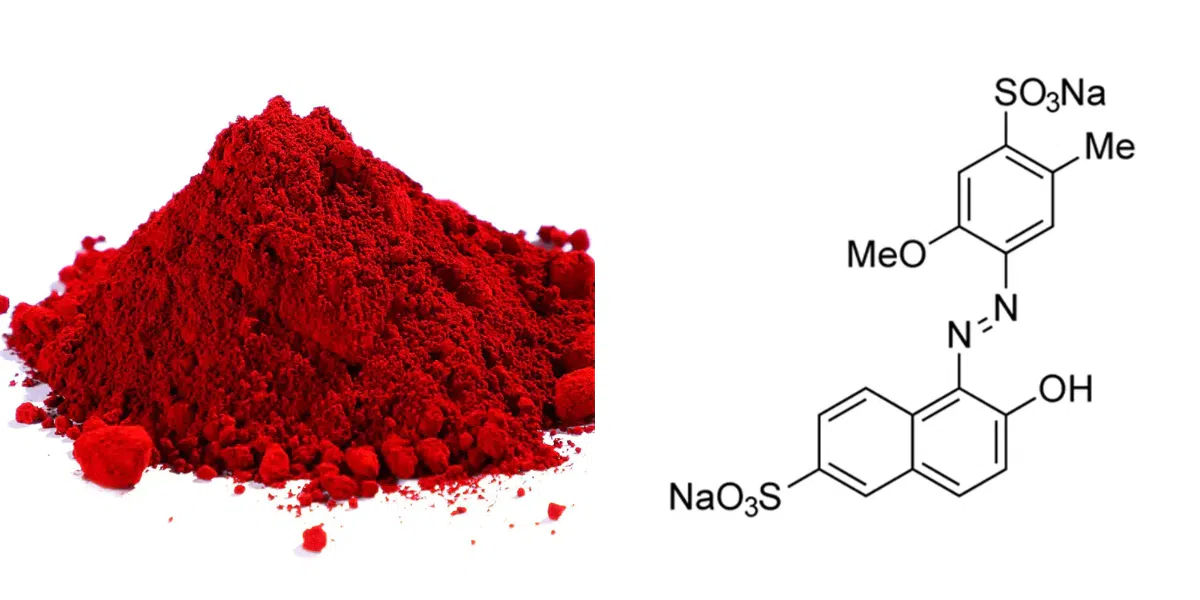
Allura Red AC, CAS 25956-17-6, is a synthetic azo colorant commonly identified by Colour Index number C.I. 16035 and food additive number INS 129. Its principal coloring component is the disodium salt of a sulfonated naphthalene-based azo compound. The molecular formula of this component is C₁₈H₁₄N₂Na₂O₈S₂, with a molecular weight of approximately 496.42 g/mol.
The dye's color-producing structure contains an azo linkage connecting aromatic groups. Sulfonate groups contribute to its water solubility, allowing the material to produce a red-colored solution under suitable conditions. Commercial material is generally supplied as a dark-red powder or granules. The apparent shade, dissolution behavior, and color strength can vary with concentration, solution chemistry, and the grade's composition.
Allura Red AC is used as a color additive in specified food applications in markets where it is authorized. However, regulatory conditions are not identical across countries: permitted food categories, maximum levels, labeling rules, and certification requirements must be checked for the intended destination. A general-purpose or laboratory grade should not be assumed to meet food-grade requirements simply because it carries the same CAS number.
Commercial colorant preparations may contain subsidiary coloring matters and permitted uncolored components, such as sodium chloride or sodium sulfate. Consequently, the assay of total coloring matter is an important specification and should not be confused with the theoretical purity of the principal molecular component. Shade consistency and batch acceptance should be evaluated using the agreed test method and product specification.
When selecting Allura Red AC, formulators should consider the target shade, color strength, solubility, matrix compatibility, processing conditions, and storage stability. For food use, confirm the grade-specific identity and purity documentation, batch certificate of analysis, and the applicable regulatory status before approving the material for production.
Chemical Properties
| Property | Details |
|---|---|
| Product Name | Allura Red AC |
| CAS Number | 25956-17-6 |
| Colour Index Number | C.I. 16035 |
| Food Additive Number | INS 129; E129 in relevant regulatory systems |
| Common Synonyms | Allura Red; C.I. Food Red 17; FD&C Red No. 40 in the relevant US context |
| Chemical Class | Synthetic azo dye |
| Principal Coloring Component | Disodium sulfonated naphthalene-based azo compound |
| Molecular Formula | C₁₈H₁₄N₂Na₂O₈S₂ |
| Molecular Weight | Approximately 496.42 g/mol |
| Appearance | Typically dark-red powder or granules |
| Water Solubility | Soluble in water |
| Ethanol Solubility | Generally described as insoluble in ethanol in the JECFA specification |
| Principal Chromophore | Azo linkage |
| Key Functional Groups | Sulfonate, hydroxyl, and methoxy groups |
| Main Functional Role | Colorant |
| Commercial Composition | May include subsidiary coloring matters and permitted uncolored components, depending on the applicable specification |
| Storage | Keep in a tightly closed container in a dry place, protected from contamination and unsuitable environmental exposure; follow the supplied SDS |
Technical note: The listed formula and molecular weight describe the principal disodium coloring component, not every constituent that may be present in a commercial colorant preparation. The JECFA specification defines the material in terms of its coloring matter and permitted accompanying components. Confirm the actual assay, subsidiary colorants, impurities, and other acceptance criteria against the applicable grade specification and batch COA.
Product Applications
1. Authorized Food and Beverage Coloring
Where permitted by local regulations, food-grade Allura Red AC can be used to provide red coloration in specified food and beverage categories. The appropriate use level and labeling requirements depend on the product category and destination market.
2. Confectionery and Sweet Food Products
In jurisdictions where its use is authorized, the dye may be considered for selected confectionery and sweet food formulations requiring a red color. Color intensity and stability should be assessed in the presence of acids, sugars, and other ingredients.
3. Beverage and Aqueous Color Systems
Its water solubility makes Allura Red AC suitable for evaluation in compatible aqueous color systems. Formulators should test the final shade, clarity, and stability under the intended pH, storage, and processing conditions.
4. Processed Food Formulations
Where legally permitted, Allura Red AC may be used in selected processed foods to achieve a defined red appearance. The formulation must comply with the applicable additive limits and labeling rules, and the color should be validated in the finished product rather than in water alone.
5. Laboratory Color Analysis
Appropriate grades may be used in laboratory work involving dye identification, visible absorption measurements, and colorant analysis. Quantitative testing requires material with suitable purity documentation and an appropriate analytical method.
6. Other Industrial Coloring Systems
Non-food applications may be considered where the dye's water solubility and color characteristics meet the process requirements. Suitability must be assessed for the specific substrate, formulation, and performance criteria; food-grade status should not be inferred from an industrial application or vice versa.
FAQ
Q1: What is Allura Red AC?
Allura Red AC is a synthetic red azo colorant identified by CAS number 25956-17-6 and Colour Index number C.I. 16035. Its international food additive number is INS 129.
Q2: What are its molecular formula and molecular weight?
The principal disodium coloring component has the molecular formula C₁₈H₁₄N₂Na₂O₈S₂ and a molecular weight of approximately 496.42 g/mol.
Q3: Is Allura Red AC soluble in water?
Yes. It is water-soluble and can produce a red-colored solution. The observed shade and color strength depend on concentration and the composition of the solution.
Q4: Is Allura Red AC approved for all food applications?
No. Authorization varies by jurisdiction and food category. Check current regulations, permitted use levels, labeling rules, and any required color-additive certification before using it in food production.
Q5: What quality parameters should buyers verify?
Review the identity, total coloring matter assay, subsidiary coloring matters, moisture where specified, relevant impurity limits, and batch COA. For food applications, also confirm that the supplied grade meets the applicable regulatory specification for the destination market.


