

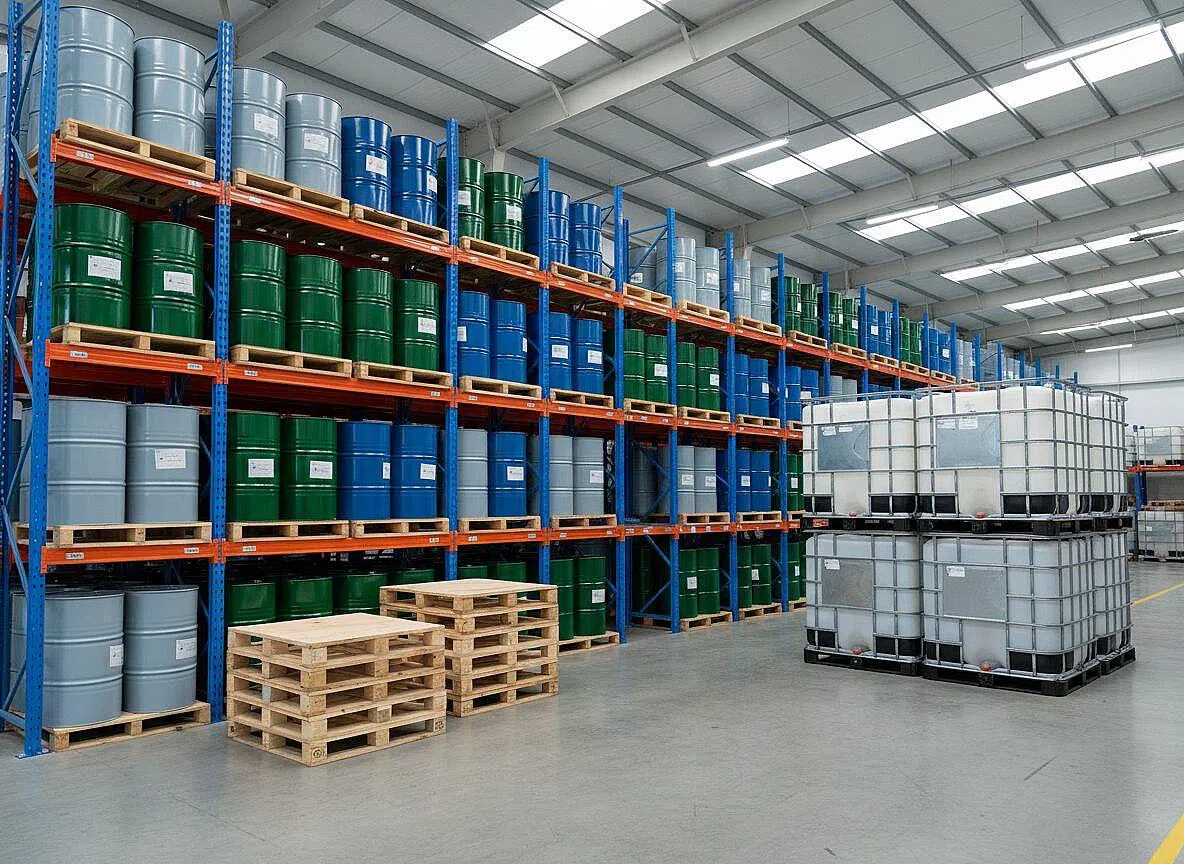
Choosing the right chemical raw material supplier is an important decision for manufacturers, distributors and industrial buyers. Beyond competitive pricing, a dependable supplier can help businesses maintain consistent production, manage procurement risks and build a more resilient supply chain.
With chemical raw materials serving industries ranging from food manufacturing and pharmaceuticals to agriculture, construction and industrial processing, buyers need a systematic approach to supplier evaluation.
Here are five essential factors to consider when sourcing chemical raw materials internationally.
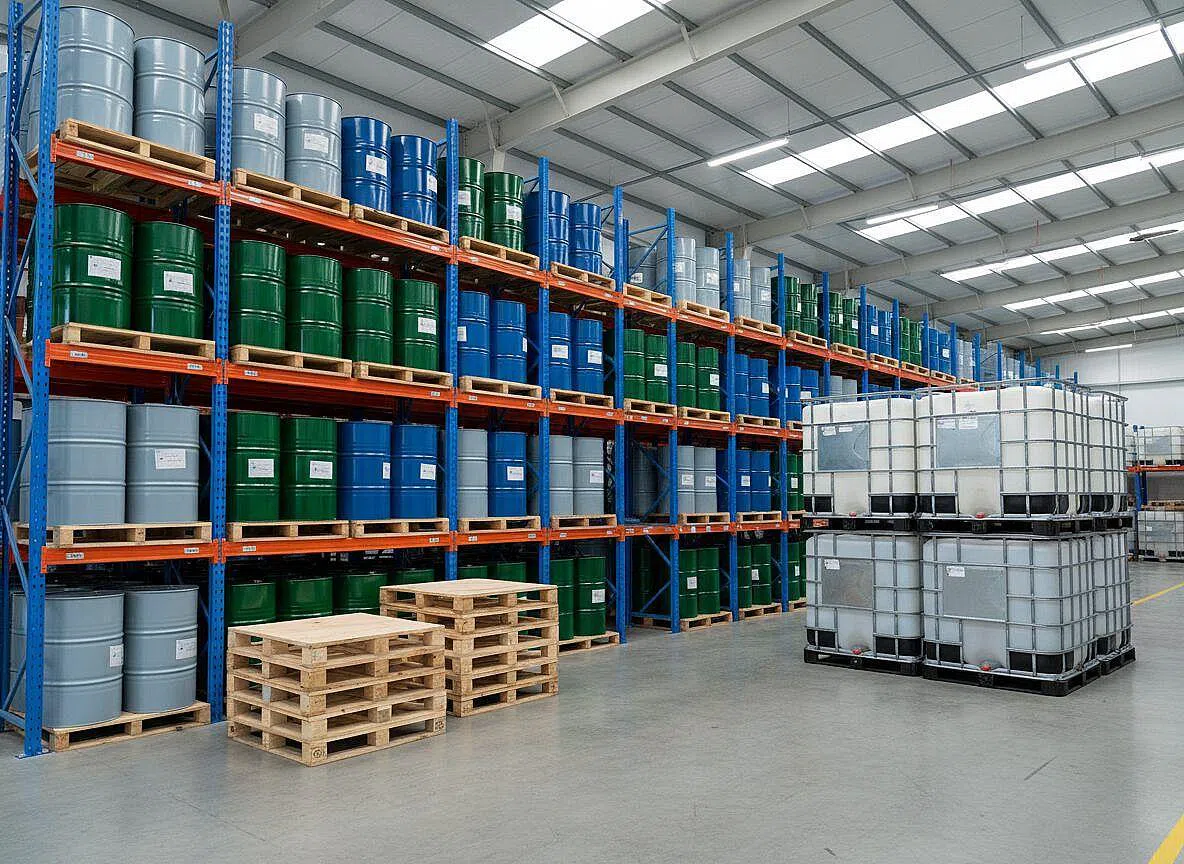
1. Verify Product Specifications and Suitability
Every chemical application has specific requirements. Before placing an order, buyers should confirm the product name, grade, purity, physical properties and other relevant technical specifications.
A detailed product specification sheet helps both parties establish clear expectations. For specialized applications, buyers may also need a Certificate of Analysis (COA), Safety Data Sheet (SDS) and other technical documentation, depending on the product and applicable regulations.
Matching the chemical grade to the intended application can reduce the risk of production interruptions and unnecessary material waste.
2. Evaluate Quality Control Procedures
Consistent quality is essential for industrial production. Variations in raw material properties can affect processing conditions, finished-product performance and overall manufacturing efficiency.
When evaluating a chemical supplier, buyers should ask about incoming material inspection, batch testing, product traceability and the procedures used to address quality deviations.
Clear quality documentation also helps procurement teams compare suppliers more objectively and maintain better control over incoming materials.
3. Check Documentation and Regulatory Requirements
International chemical trade involves documentation requirements that vary according to the product, destination market and intended application.
Depending on the transaction, relevant documents may include technical data sheets, SDS, COA, commercial invoices, packing lists and applicable compliance declarations.
Buyers should communicate their destination country and documentation requirements early in the sourcing process. This allows the supplier to confirm which documents can be provided and helps minimize avoidable delays.
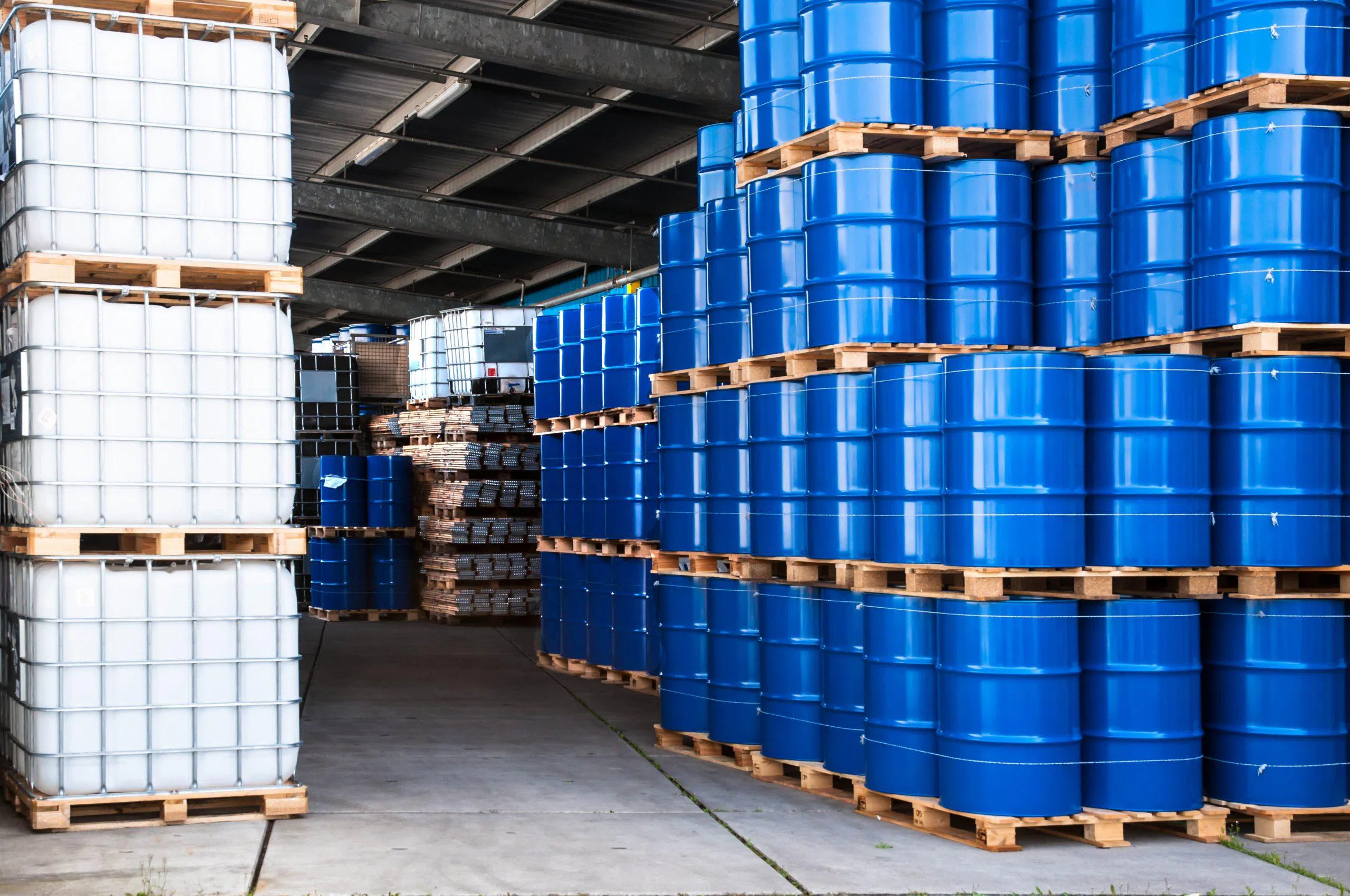
4. Compare Total Procurement Costs, Not Just Unit Prices
The lowest quoted price does not always represent the lowest overall procurement cost.
Freight charges, packaging, handling, lead times, payment terms and the cost of inconsistent quality can all affect the final purchasing decision.
A more comprehensive evaluation considers the total landed cost and the supplier's ability to support predictable procurement planning.
For businesses purchasing chemicals regularly, stable communication and realistic delivery schedules can be just as important as price competitiveness.
5. Assess Communication and Long-Term Supply Capability
Reliable sourcing depends on more than a single successful transaction. Buyers benefit from suppliers who respond clearly to technical questions, confirm order details accurately and communicate changes in production or shipping schedules promptly.
It is also worth assessing whether a supplier can accommodate different packaging requirements, recurring orders and future changes in purchasing volume.
Building a long-term supplier relationship can improve coordination, reduce repeated evaluation work and support more efficient purchasing operations.
Building a More Reliable Chemical Supply Chain
Selecting a chemical raw material supplier requires a balanced assessment of product suitability, quality management, documentation, logistics and communication.
For international buyers, a well-defined supplier evaluation process helps improve purchasing transparency and reduces avoidable sourcing risks.
Shandong Baolongfeng Chemical Co., Ltd. serves global partners in chemical raw material sourcing, with a focus on product supply, logistics coordination and responsive service. Buyers can explore the company's product categories and contact the team to discuss specific sourcing requirements.


