

Product Description
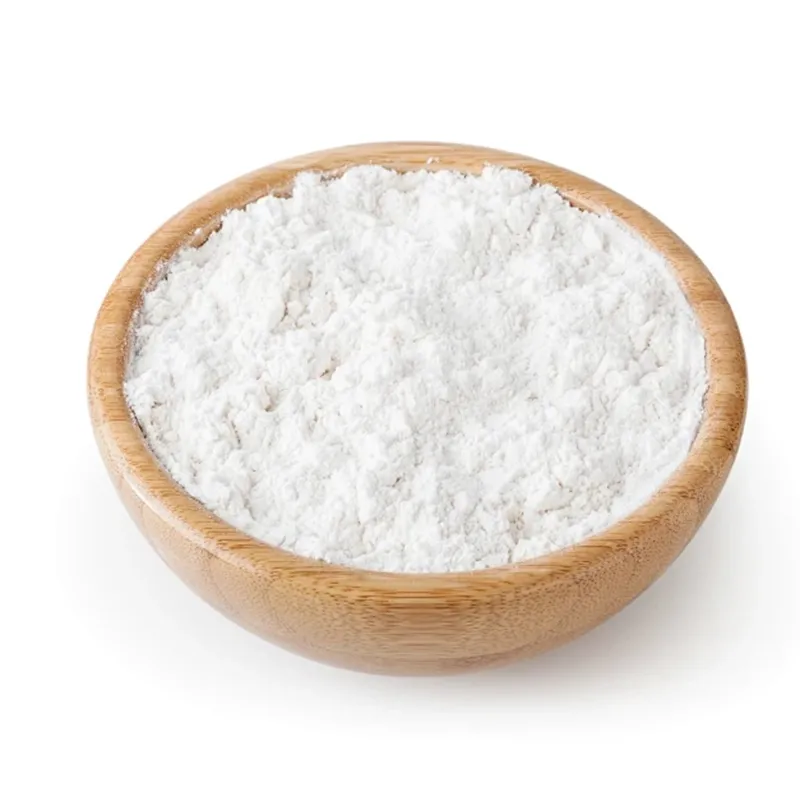
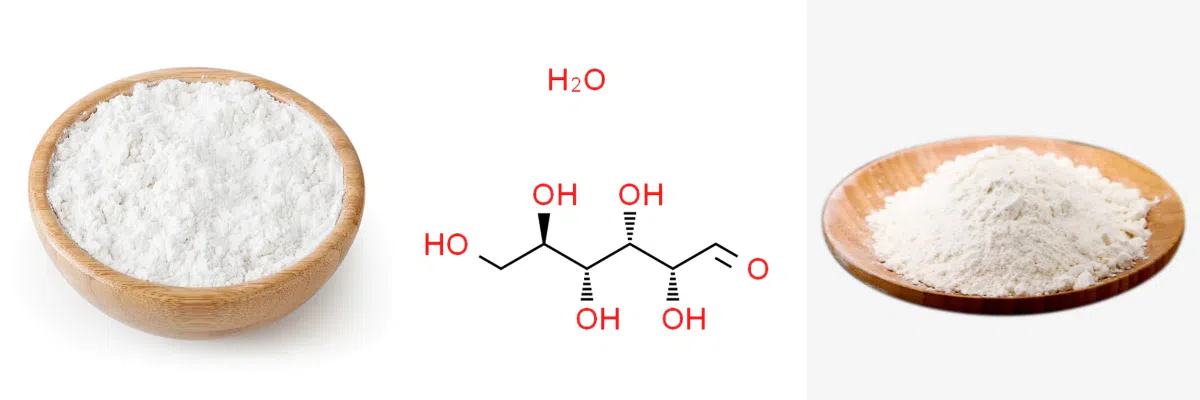
D-Glucose Monohydrate (CAS 5996-10-1), also known as dextrose monohydrate, is the hydrated crystalline form of D-glucose. Its molecular formula is C₆H₁₄O₇, which can also be represented as C₆H₁₂O₆·H₂O, and its molecular weight is approximately 198.17 g/mol.
This carbohydrate is typically supplied as a white or nearly white crystalline powder with a sweet taste and good water solubility. The presence of one molecule of water in the hydrate structure is an important consideration when calculating ingredient quantities, preparing solutions, or comparing specifications with anhydrous glucose.
D-Glucose Monohydrate can be used as a carbohydrate source in fermentation processes, as an ingredient in suitable nutritional and food formulations, and as a raw material for selected laboratory and industrial applications. Its suitability depends on the required grade, purity, microbiological quality, and regulatory status of the intended use.
Before purchasing, confirm the assay basis, moisture content, reducing sugars or other relevant quality parameters, particle characteristics, packaging, and storage requirements. For food, pharmaceutical, or other regulated applications, verify the applicable grade standards and destination-market requirements.
Chemical Properties
| Property | Details |
|---|---|
| Product Name | D-Glucose Monohydrate |
| CAS Number | 5996-10-1 |
| Molecular Formula | C₆H₁₄O₇ |
| Alternative Formula | C₆H₁₂O₆·H₂O |
| Molecular Weight | 198.17 g/mol |
| Chemical Name | D-Glucose Monohydrate |
| Synonyms | Dextrose Monohydrate; Dextrose 1-Hydrate; D(+)-Glucose Monohydrate |
| Chemical Category | Monosaccharide; Carbohydrate |
| Appearance | Typically a white or nearly white crystalline powder |
| Odor | Generally odorless |
| Taste | Sweet |
| Water Solubility | Freely soluble in water |
| Ethanol Solubility | Sparingly soluble in ethanol |
| Hydration State | One water molecule per glucose molecule |
| Storage | Store in a tightly closed package in a cool, dry place; protect from moisture and follow the product-specific SDS and label instructions |
Product Applications
1. Fermentation Media
Used as a fermentable carbohydrate source in suitable fermentation processes. The required addition rate depends on the microorganism, process design, and target product.
2. Food and Beverage Formulations
Can provide sweetness and carbohydrate content in food or beverage formulations where the supplied grade is permitted. Application suitability and labeling requirements must be checked for the destination market.
3. Nutritional Preparations
Used as a carbohydrate ingredient in selected nutritional formulations. The grade and quantity should be chosen according to the intended product requirements.
4. Pharmaceutical Formulation Processing
May be used in appropriate pharmaceutical formulations or processing applications when the material meets the required compendial specification and regulatory conditions.
5. Laboratory and Analytical Applications
Used in laboratory preparations, carbohydrate studies, and analytical procedures requiring a defined D-glucose hydrate form.
6. Industrial Carbohydrate Processing
Serves as a glucose-based raw material in selected processes involving carbohydrate conversion, formulation, or other industrial applications where the monohydrate form is suitable.

FAQ
Q1: What is the CAS number of D-Glucose Monohydrate?
A: Its CAS number is 5996-10-1.
Q2: What are the molecular formula and molecular weight?
A: The molecular formula is C₆H₁₄O₇, also written as C₆H₁₂O₆·H₂O. The molecular weight is approximately 198.17 g/mol.
Q3: How does D-Glucose Monohydrate differ from anhydrous glucose?
A: D-Glucose Monohydrate contains one molecule of water per glucose molecule, while anhydrous glucose does not. Their molecular weights differ, so quantities should be calculated using the specified form.
Q4: Is D-Glucose Monohydrate soluble in water?
A: Yes. It is freely soluble in water and is suitable for preparing aqueous solutions under appropriate conditions.
Q5: Can this product be used in food or pharmaceutical applications?
A: It may be suitable when the supplied grade meets the relevant specifications and regulatory requirements. Confirm the intended application and destination-market rules before use.
Q6: What should be confirmed before placing an order?
A: Check the CAS number, grade, assay, moisture content, microbiological requirements where relevant, packaging, and storage conditions. Request the current technical data sheet, batch-specific certificate of analysis, and safety data sheet.


