

Product Description
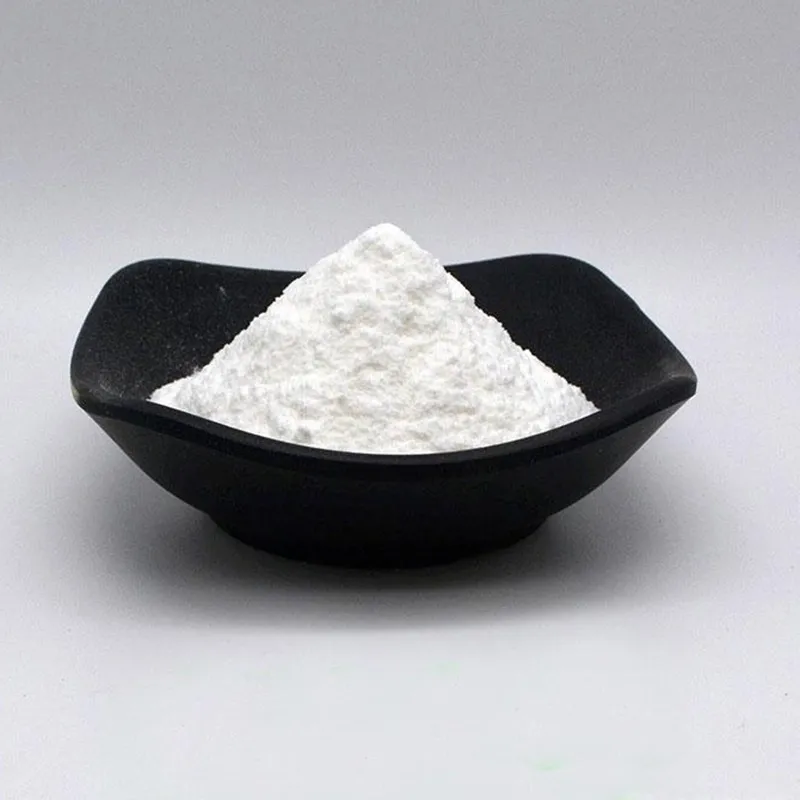
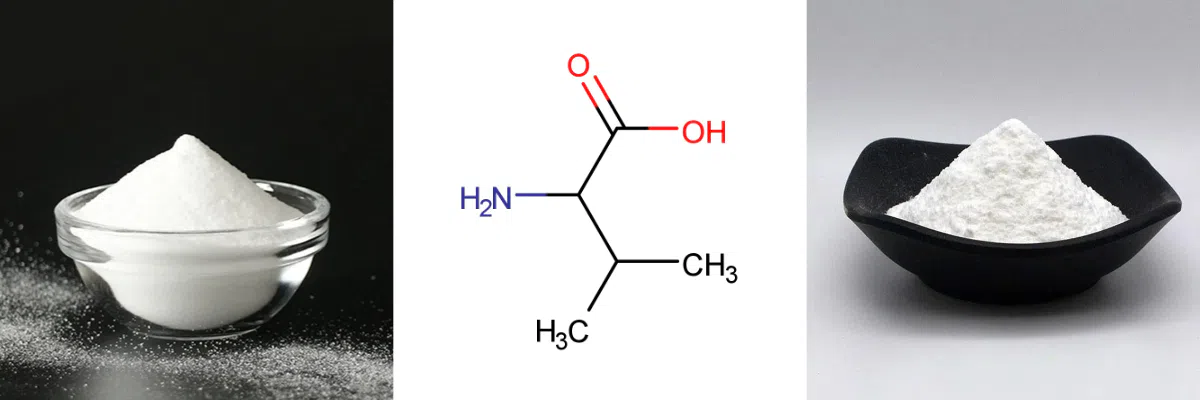
DL-Valine (CAS 516-06-3) is a racemic form of valine, an alpha-amino acid with the molecular formula C₅H₁₁NO₂ and a molecular weight of approximately 117.15 g/mol. Its structure includes an amino group, a carboxyl group, and a branched isopropyl side chain. Unlike L-valine or D-valine supplied as a single stereoisomer, DL-valine contains both enantiomeric forms.
This stereochemical distinction is important when selecting amino acid materials for research, analytical procedures, or chemical synthesis. The presence of both enantiomers can affect the outcome of experiments and processes that are sensitive to chirality, so the specified stereochemical composition should be checked before use.
DL-Valine is generally supplied as a white crystalline powder. Actual appearance, assay, moisture content, and impurity limits depend on the supplied grade and production specification. Buyers should confirm the intended application, required purity, particle characteristics if relevant, packaging, and storage conditions before placing an order. For pharmaceutical, food, or other regulated uses, verify that the particular grade is suitable under the applicable requirements.
Chemical Properties
| Property | Details |
|---|---|
| Product Name | DL-Valine |
| CAS Number | 516-06-3 |
| Molecular Formula | C₅H₁₁NO₂ |
| Molecular Weight | 117.15 g/mol |
| IUPAC Name | 2-Amino-3-methylbutanoic acid |
| Synonyms | DL-α-Aminoisovaleric Acid; DL-2-Aminoisovaleric Acid; Valine, DL- |
| Chemical Category | Racemic Alpha-Amino Acid |
| Stereochemistry | Racemic mixture of D- and L-valine |
| Appearance | Typically a white crystalline powder |
| Functional Groups | Amino group and carboxyl group |
| Solubility | Soluble in water; exact solubility depends on test conditions |
| Storage | Store in a tightly closed container in a cool, dry place according to the supplied SDS and product label |
Product Applications
1. Amino Acid Research
Used in studies investigating amino acid structure, stereochemistry, and the behavior of racemic compounds. Its mixed enantiomeric composition makes it relevant to experiments that compare racemic and optically defined materials.
2. Chiral Analysis and Method Development
Can be used in analytical method development for evaluating enantiomer separation, amino acid identification, and stereochemical composition.
3. Chemical Synthesis
Serves as a starting material or reagent in selected synthesis routes where a racemic valine structure is required. Suitability depends on the reaction pathway and the required stereochemical outcome.
4. Biochemical and Laboratory Studies
Used in laboratory investigations involving amino acid chemistry, molecular interactions, and related analytical procedures.
5. Reference and Quality-Control Work
May be used as a test material in suitable analytical workflows. For quantitative calibration or regulated testing, use material with documentation and reference status appropriate to the method.
FAQ
Q1: What is the CAS number of DL-Valine?
A: The CAS number is 516-06-3.
Q2: What are the molecular formula and molecular weight of DL-Valine?
A: The molecular formula is C₅H₁₁NO₂, and the molecular weight is approximately 117.15 g/mol.
Q3: How does DL-Valine differ from L-Valine?
A: DL-Valine is a racemic mixture containing D- and L-valine, while L-Valine refers to one specific enantiomer. They should not be treated as interchangeable in stereochemistry-sensitive applications.
Q4: Is DL-Valine suitable for chiral analysis?
A: It can be used in suitable analytical method development and studies involving enantiomer separation. Confirm the material specification and analytical method requirements before use.
Q5: What should be checked before purchasing DL-Valine?
A: Confirm the CAS number, assay, stereochemical composition, moisture content, impurity limits, packaging, and intended use. Request the current technical data sheet, batch-specific certificate of analysis, and safety data sheet.
Q6: Can DL-Valine be used in pharmaceutical or food applications?
A: Suitability depends on the specific grade, intended use, and applicable regulations. Confirm the required quality standard and regulatory status before using it in a regulated product.


