

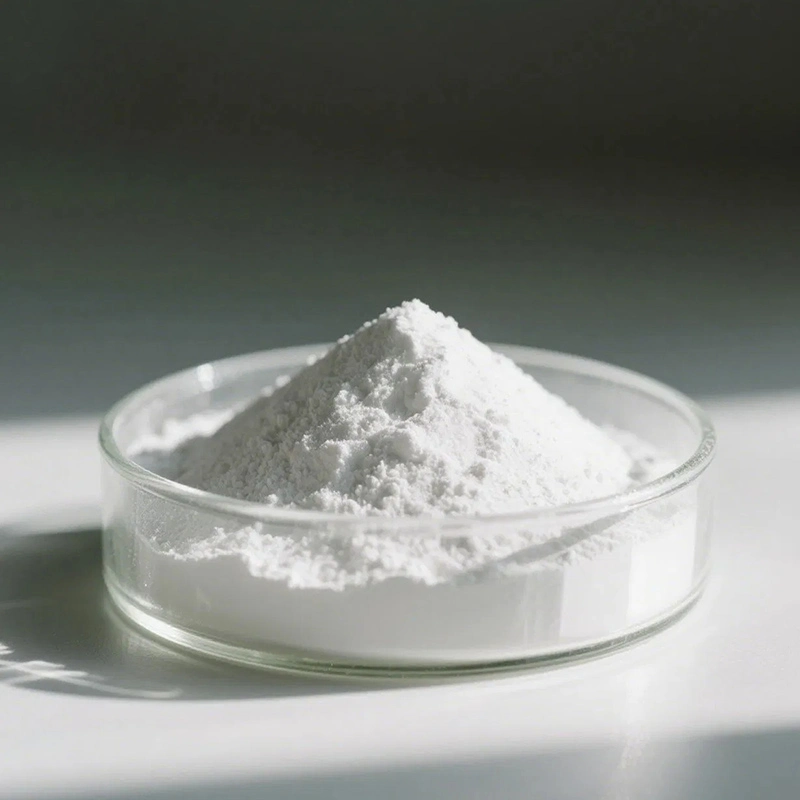
Product Description
N-Lauroyl-L-Glutamic Acid, CAS 3397-65-7, is an N-acyl derivative of L-glutamic acid featuring a twelve-carbon lauroyl chain. Also known as Lauroyl Glutamic Acid or N-Dodecanoyl-L-Glutamic Acid, this organic compound combines an amino acid-derived structure with a hydrophobic fatty acyl group.
The molecular structure of N-Lauroyl-L-Glutamic Acid includes an amide linkage and two carboxylic acid groups. These functional groups affect its acid-base behavior, solubility, and interaction with other formulation ingredients. The material is therefore relevant to specialty chemical research and the development of personal care ingredients.
In the cosmetics and personal care sector, Lauroyl Glutamic Acid is associated with amino acid-based ingredient systems and can be evaluated as a formulation ingredient or chemical intermediate, depending on the intended product. It should be distinguished from sodium lauroyl glutamate and other lauroyl glutamate salts, which have different chemical identities and may exhibit different solubility and surfactant properties.
For manufacturers sourcing N-Lauroyl-L-Glutamic Acid CAS 3397-65-7, key selection criteria include assay, appearance, acid value, moisture content, residual impurities, and compatibility with the intended formulation process. The appropriate grade should be selected according to the final application and its relevant quality requirements.
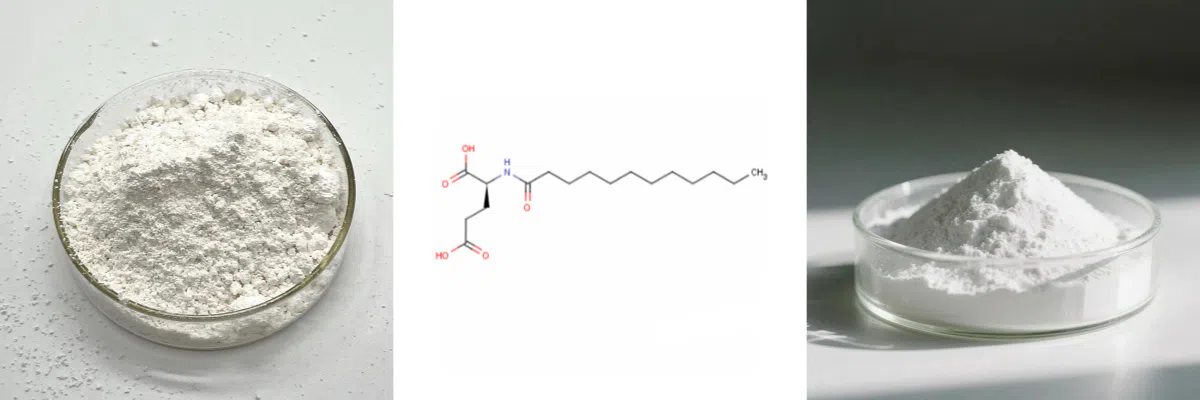
Chemical Properties
| Property | Details |
|---|---|
| Product Name | N-Lauroyl-L-Glutamic Acid |
| Synonyms | Lauroyl Glutamic Acid; N-Lauroylglutamic Acid; N-Dodecanoyl-L-Glutamic Acid |
| CAS Number | 3397-65-7 |
| Molecular Formula | C17H31NO5 |
| Molecular Weight | 329.43 g/mol |
| Chemical Class | N-Acyl Amino Acid; Organic Carboxylic Acid |
| Functional Groups | Amide and Carboxylic Acid Groups |
| Appearance | Commonly reported as a white to off-white solid or powder |
| Melting Point | Approximately 95–96°C (reported reference value) |
| Boiling Point | Approximately 543.6°C (predicted reference value; verify before use) |
| Density | Approximately 1.081 g/cm³ (predicted reference value) |
| Solubility | Limited solubility in water is expected; behavior depends on pH and solvent composition |
| Acid-Base Behavior | Contains two carboxylic acid groups; ionization depends on the surrounding pH |
| Storage Conditions | Keep in a tightly closed container in a dry environment; follow the supplier's handling instructions |
| Product Form | Solid material; exact particle form depends on the supplied grade |
Property Reference: Physical constants listed here are literature or database reference values rather than release specifications. For commercial qualification, use the analytical results for the supplied batch to establish assay, acid value, moisture, impurity limits, and other grade-specific requirements.
Product Applications
1. Personal Care and Cosmetic Formulation
N-Lauroyl-L-Glutamic Acid can be evaluated during the development of personal care ingredients and cosmetic formulation systems. Its suitability for a finished product depends on the formulation design, ingredient compatibility, safety assessment, and applicable cosmetic regulations.
2. Amino Acid-Based Cleansing Ingredient Development
The compound is relevant to the development of lauroyl glutamate-based cleansing ingredients. In particular, it can serve as a starting material or intermediate in suitable chemical processes used to produce related derivatives, including lauroyl glutamate salts.
3. Specialty Chemical Synthesis
The combination of an L-glutamic acid framework and a lauroyl group makes this compound relevant to research involving N-acyl amino acids and related organic intermediates. Further use depends on the required reaction pathway, purity, and processing conditions.
4. Formulation Research and Ingredient Compatibility
N-Lauroyl-L-Glutamic Acid can be investigated in laboratory studies examining acid-base behavior, solubility, and compatibility with other formulation components. Such evaluations help determine whether the material is appropriate for a particular ingredient system or manufacturing process.
5. Development of Glutamate-Based Derivatives
The compound may be considered in the synthesis and development of related glutamate derivatives. Products formed through neutralization or further chemical modification should be identified and specified separately from the original acid.

FAQ
Q1: What is N-Lauroyl-L-Glutamic Acid?
It is an N-acyl derivative of L-glutamic acid with the CAS number 3397-65-7. Its structure contains a lauroyl chain, an amide linkage, and two carboxylic acid groups.
Q2: What is the molecular formula of Lauroyl Glutamic Acid?
The molecular formula is C17H31NO5, and its molecular weight is approximately 329.43 g/mol.
Q3: Is N-Lauroyl-L-Glutamic Acid the same as Sodium Lauroyl Glutamate?
No. N-Lauroyl-L-Glutamic Acid is the acid form, whereas Sodium Lauroyl Glutamate is a sodium salt. Their chemical identities and physicochemical properties differ.
Q4: What applications are associated with this product?
Potential areas include personal care ingredient development, amino acid-based cleansing ingredient research, specialty chemical synthesis, and the preparation of related glutamate derivatives.
Q5: Which specifications are important when sourcing this material?
Review the assay, acid value, moisture content, appearance, impurity profile, packaging, and intended-use requirements. For cosmetic applications, also confirm the documentation required for the target market.
For sourcing inquiries, specify the intended application and required quality parameters so the appropriate product grade and supporting documentation can be assessed.


