

Product Description
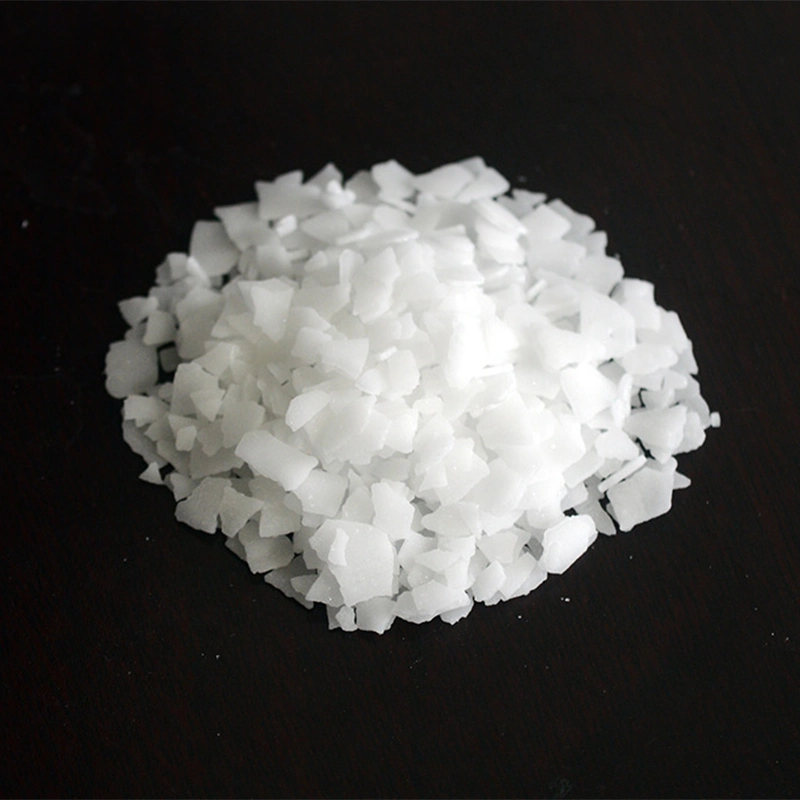
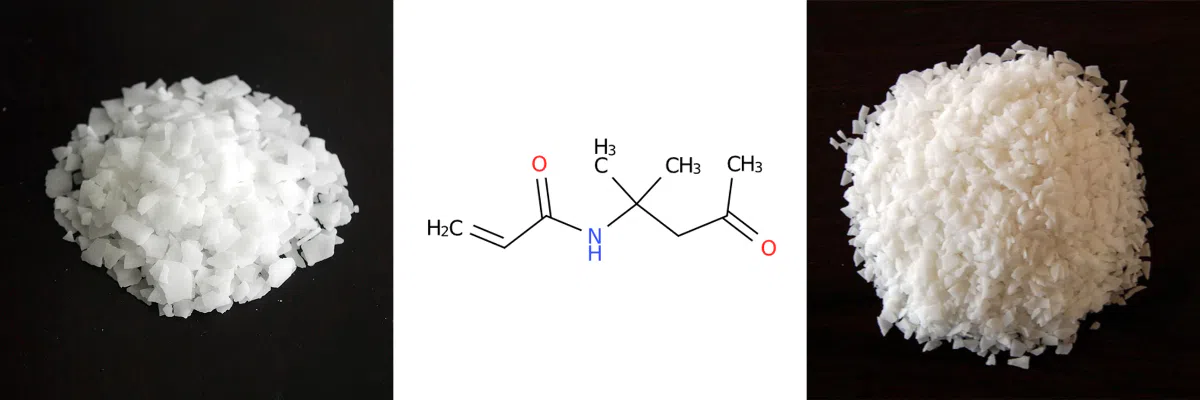
Diacetone Acrylamide (DAAM), CAS No. 2873-97-4, is a functional organic monomer used in polymer synthesis and resin formulation. With the molecular formula C9H15NO2 and molecular weight of 169.22 g/mol, this compound contains a polymerizable acrylamide group and a reactive ketone group, making it valuable for developing functional copolymers and crosslinkable polymer systems.
As a Diacetone Acrylamide monomer, DAAM can be incorporated into suitable polymer structures through copolymerization with compatible monomers. The ketone functionality can subsequently participate in crosslinking reactions with appropriate crosslinking agents, including adipic acid dihydrazide (ADH), under suitable formulation conditions.
Diacetone Acrylamide for waterborne coatings and adhesives is particularly relevant to the development of functional acrylic emulsions and other water-based polymer systems. Depending on the formulation and curing conditions, DAAM-based crosslinking systems can help improve properties such as adhesion, water resistance, stain resistance, and film durability.
Diacetone Acrylamide is also used in selected applications involving textile treatment, paper treatment, photosensitive resins, and resin modification. Its suitability depends on monomer purity, residual acrylamide content, stabilizer composition, polymerization conditions, and the requirements of the finished product.
For industrial buyers seeking DAAM CAS 2873-97-4, important procurement factors include assay, appearance, melting point, moisture content, residual acrylamide, inhibitor or stabilizer details, packaging, and batch-specific quality documentation.
Chemical Properties
| Property | Details |
|---|---|
| Product Name | Diacetone Acrylamide |
| Abbreviation | DAAM |
| Synonyms | N-(1,1-Dimethyl-3-oxobutyl)acrylamide; N-(2-Methyl-4-oxopentan-2-yl)acrylamide |
| CAS Number | 2873-97-4 |
| Molecular Formula | C9H15NO2 |
| Molecular Weight | 169.22 g/mol |
| Chemical Class | Functional Acrylamide Monomer; Organic Compound |
| Appearance | White to off-white or pale yellow crystals, crystalline powder, or flakes, depending on grade |
| Melting Point | Approximately 53–57°C |
| Boiling Point | Approximately 120°C at 8 mmHg (reported reference value) |
| Density | Approximately 1.0873 (rough estimate reported by some sources; measurement conditions require confirmation) |
| Water Solubility | Soluble in water |
| Hygroscopicity | Hygroscopic; protect from excessive moisture |
| Functional Groups | Polymerizable Acrylamide Group and Ketone Group |
| Storage Conditions | Store in a cool, tightly closed container under the supplier's recommended conditions; follow the product-specific SDS |
| Stabilizer Information | Confirm the presence and type of polymerization inhibitor or stabilizer in the supplied grade |
Technical Data Notice: Listed values are intended for general product reference. Actual results may differ according to grade and test conditions. Please consult the relevant batch analysis and supplier documentation for verified quality limits, residual monomer levels, inhibitor content, and handling instructions.
Product Applications
1. Waterborne Coatings and Acrylic Emulsions
Diacetone Acrylamide is used as a functional monomer in selected waterborne acrylic coating systems. When incorporated into a compatible polymer and combined with an appropriate crosslinking system, it can help improve film properties, including water resistance, stain resistance, adhesion, and durability.
2. Adhesives and Sealants
DAAM can be incorporated into suitable adhesive and sealant formulations to provide reactive functionality for crosslinking. Its performance depends on polymer composition, crosslinker selection, curing conditions, and the required bonding properties.
3. Textile Treatment and Finishing
Diacetone Acrylamide is used in selected textile treatment and finishing systems where functional polymer coatings are required. Formulators can evaluate DAAM-based polymers for their compatibility with textile substrates and the desired finishing performance.
4. Paper Treatment and Paper Strength Enhancement
DAAM can be used in polymer formulations developed for paper treatment and surface modification. Depending on the polymer system, it may contribute to crosslinking and help tailor the performance of treated paper materials.
5. Photosensitive Resins and Photopolymer Materials
Diacetone Acrylamide is used in selected photosensitive resin and photopolymer formulations. Its suitability depends on the resin chemistry, polymerization mechanism, exposure conditions, and performance requirements of the final material.
6. Resin Modification and Crosslinkable Polymers
The reactive functionality of DAAM makes it useful in the development of functional copolymers and crosslinkable resin systems. It can be evaluated in specialized polymer applications where controlled crosslinking and modified film properties are desired.
Before selecting DAAM for industrial use, review its assay, residual acrylamide level, inhibitor system, and packaging format to ensure alignment with your polymerization process and application requirements.
FAQ
Q1: What is Diacetone Acrylamide (DAAM)?
Diacetone Acrylamide is a functional monomer used in polymer synthesis and resin formulation. Its acrylamide and ketone functionalities make it useful in selected copolymerization and crosslinking systems.
Q2: What is the CAS number of Diacetone Acrylamide?
The CAS number is 2873-97-4.
Q3: What is Diacetone Acrylamide used for?
Common applications include waterborne coatings, acrylic emulsions, adhesives, sealants, textile treatment, paper treatment, photosensitive resins, and functional polymer development.
Q4: Can DAAM be used with ADH as a crosslinking system?
Yes. DAAM-containing polymers can be formulated with adipic acid dihydrazide (ADH) for ketone–hydrazide crosslinking under suitable conditions. Formulation compatibility, stability, and curing performance should be validated experimentally.
Q5: What should buyers check before purchasing DAAM?
Buyers should verify assay, residual acrylamide, moisture content, appearance, stabilizer or inhibitor information, packaging, storage requirements, and the current TDS, SDS, and COA.
For product specifications, available grades, packaging options, and technical documentation, contact our team for further information.


