

Product Description
Fatty Acids, Soya, CAS 68308-53-2, is a mixture of fatty acids derived from soybean oil. Unlike a single purified fatty acid, this material contains a distribution of fatty acid components. Its composition typically includes linoleic acid and oleic acid, together with linolenic acid and smaller proportions of saturated fatty acids such as palmitic acid and stearic acid.
The balance of unsaturated and saturated components depends on the soybean oil feedstock and the processing method used to obtain the fatty acids. Hydrolysis, acidification, washing, and subsequent refining or distillation may be used in production. For this reason, the fatty acid profile and analytical values should be checked against the specification for the actual grade supplied.
In industrial manufacturing, soya fatty acids can serve as raw materials for alkyd resin modification, polyamide resin production, soaps, detergents, fatty acid derivatives, and selected coating or printing-ink systems. Their reactivity and suitability for a given process depend on factors such as acid value, iodine value, saponification value, color, and moisture content.
When evaluating a supply option, buyers should identify the intended downstream process first. Resin and ink manufacturers may place particular emphasis on iodine value, acid value, color, and consistency between batches, while other applications may require different limits. Request a current Certificate of Analysis (COA), Technical Data Sheet (TDS), and Safety Data Sheet (SDS) to verify the composition, handling requirements, and acceptance criteria for the intended use.
Chemical Properties
| Property | Details |
|---|---|
| Product Name | Fatty Acids, Soya |
| CAS Number | 68308-53-2 |
| EC Number | 269-657-0 |
| Chemical Type | Mixed fatty acids derived from soybean oil |
| Composition | Typically includes linoleic acid, oleic acid, linolenic acid, palmitic acid, stearic acid, and other fatty acids |
| Molecular Formula | No single fixed formula; composition varies because the product is a mixture |
| Molecular Weight | No single fixed molecular weight applies to the mixture |
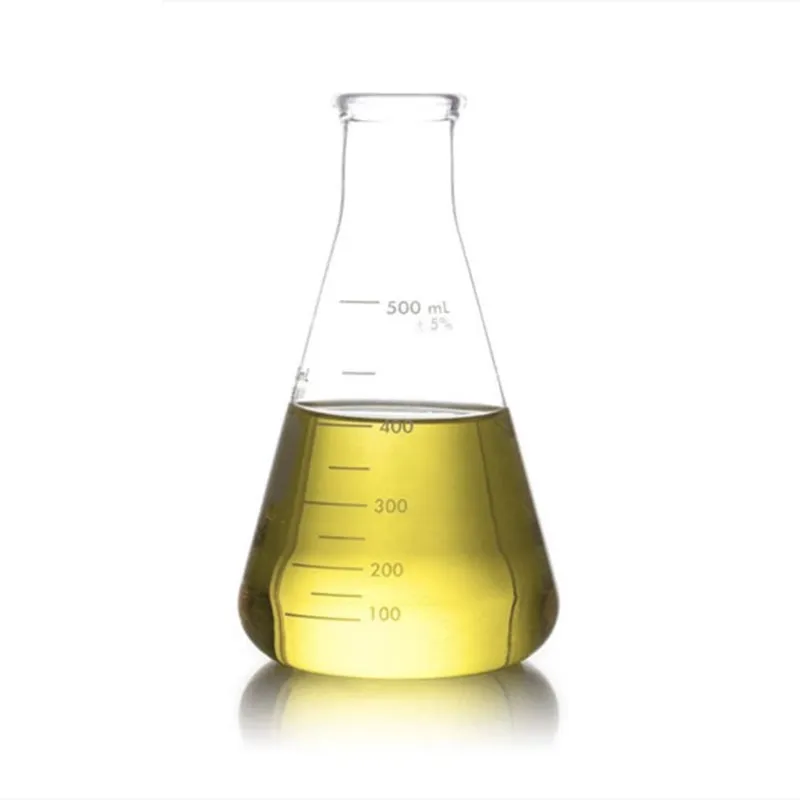
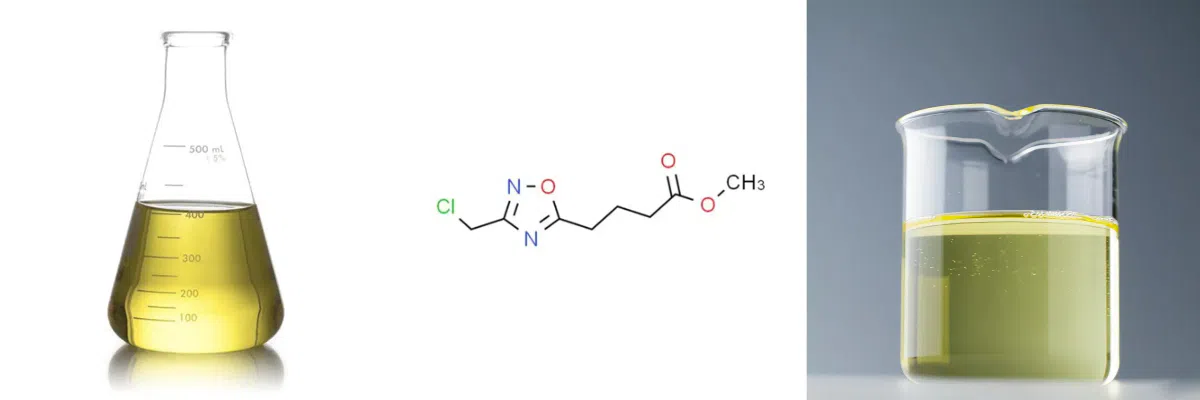
| Appearance | Typically a colorless to pale-yellow liquid; appearance may vary by grade and temperature |
| Physical State | Usually liquid or oily liquid; may become cloudy or partially solidify at lower temperatures |
| Solubility | Generally poorly soluble in water; solubility in organic media depends on the solvent and grade |
| Acid Value | Grade-specific; obtain the numerical specification from the supplier |
| Iodine Value | Grade-specific; indicates the degree of unsaturation |
| Saponification Value | Grade-specific; relevant to formulation and processing calculations |
| Main Constituents | Unsaturated and saturated fatty acids in proportions that depend on the feedstock and processing |
| Storage | Keep in a suitable, tightly closed container and follow the supplier's recommended temperature, light protection, and handling conditions |
The values for acid value, iodine value, saponification value, moisture, and fatty acid composition should be taken from the current product specification and COA. Do not assume that all products sold under this CAS have the same composition or numerical limits.
Product Applications
1. Alkyd Resin Manufacturing
Soya fatty acids can be used in the production or modification of alkyd resins. The fatty acid profile influences resin formulation and can affect properties such as drying behavior, film formation, and compatibility with other ingredients.
2. Printing Ink and Polyamide Resin Production
Selected grades are used as feedstocks in polyamide resin manufacture for printing inks and related applications. The material's acid value, iodine value, color, and consistency should be checked against the resin manufacturer's process requirements.
3. Paints and Coatings
Soya fatty acids can participate in the manufacture of coating binders and related intermediates. The appropriate grade depends on the resin chemistry, intended coating performance, and downstream processing conditions.
4. Soap and Detergent Manufacturing
Through suitable neutralization or saponification processes, soya fatty acids can be used in producing soap materials and other cleaning-related ingredients. The formulation must account for the fatty acid composition and the required properties of the final product.
5. Fatty Acid Derivatives and Oleochemical Processing
Soya fatty acids serve as feedstocks for selected derivatives, including esters and other oleochemical intermediates. Their suitability depends on the target reaction, catalyst system, and quality requirements of the resulting material.
FAQ
Q1: What are Fatty Acids, Soya?
A: They are a mixture of fatty acids derived from soybean oil, typically containing linoleic acid, oleic acid, linolenic acid, and smaller amounts of saturated fatty acids.
Q2: Do Soya Fatty Acids have a fixed molecular formula?
A: No. The product is a mixture rather than a single pure compound, so its composition and average molecular characteristics vary by grade.
Q3: What are the main industrial applications of Soya Fatty Acids?
A: Typical applications include alkyd resin modification, polyamide resin production for printing inks, coatings, soap and detergent manufacture, and the production of fatty acid derivatives.
Q4: Which quality parameters should be checked before purchase?
A: Review the fatty acid composition, acid value, iodine value, saponification value, color, moisture content, and any application-specific limits in the supplier's specification.
Q5: Can all Soya Fatty Acid grades be used for resin and ink production?
A: Not necessarily. Resin and ink applications may require specific fatty acid profiles and analytical values. Confirm the intended grade and its suitability with the supplier before use.


