

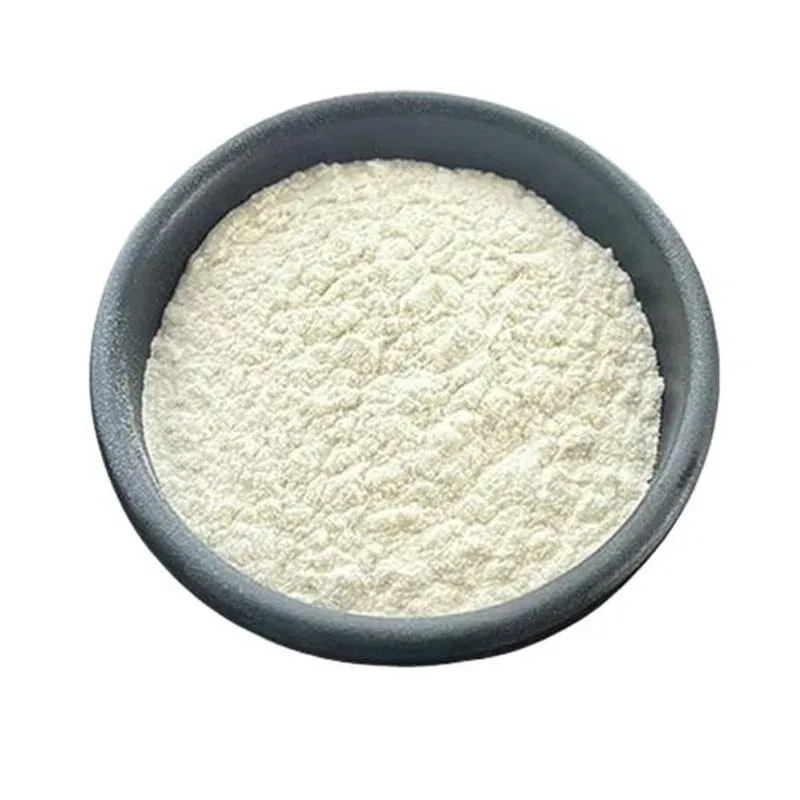
Product Description
Tara Gum, CAS 39300-88-4, is a plant-derived hydrocolloid produced by milling the endosperm of the seeds of Caesalpinia spinosa. Its principal functional component is galactomannan, a high-molecular-weight polysaccharide built mainly from β-(1→4)-linked mannose units with α-(1→6)-linked galactose side groups. The mannose-to-galactose ratio is approximately 3:1.
This carbohydrate structure gives Tara Gum its ability to hydrate in water and increase viscosity. It is commonly supplied as a white to pale-yellow, nearly odorless powder. Rather than dissolving like a small-molecule ingredient, the gum disperses and hydrates to form a colloidal system. Hydration time, lump formation, and the final viscosity are affected by mixing conditions, temperature, particle size, concentration, and the composition of the surrounding formulation.
In food processing, Tara Gum is used as a thickener and stabilizer in suitable product categories. It can help control body, consistency, and water distribution in formulations such as sauces, dairy-style preparations, processed foods, and selected frozen products. Depending on the formulation, it may also contribute to gel structure when used with compatible hydrocolloid systems. These effects are formulation-dependent and should be established through product-specific trials.
Tara Gum is also evaluated in selected personal care and other non-food formulations where plant-derived viscosity modification is required. The grade selected must match the intended application; a technical or cosmetic grade should not be assumed to meet food specifications.
For food applications, buyers should confirm the declared grade, identity, purity parameters, microbiological quality, and applicable contaminant limits. Regulatory permission and permitted use levels depend on the destination market and food category. The material's natural polymer composition also means that a single molecular formula or fixed molecular weight is not an appropriate general specification.
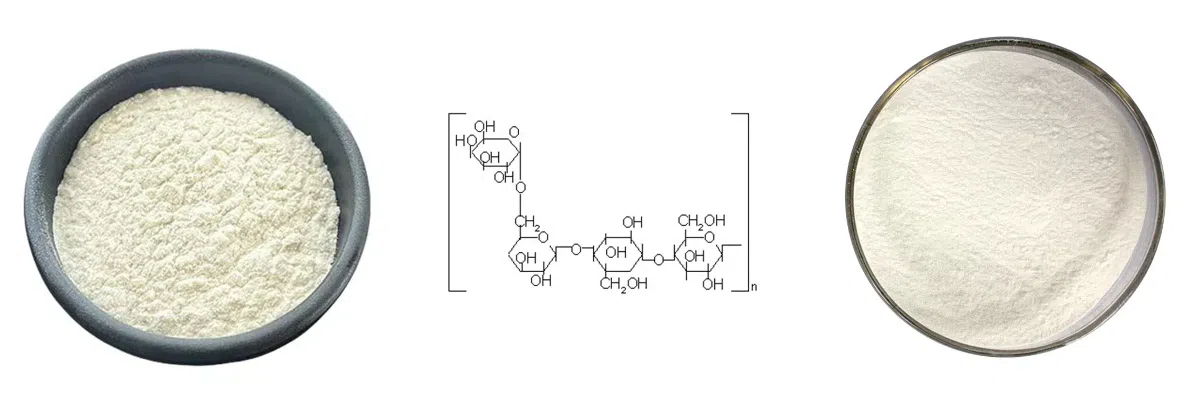
Chemical Properties
| Property | Details |
|---|---|
| Product Name | Tara Gum |
| CAS Number | 39300-88-4 |
| EC Number | 254-409-6 |
| Food Additive Number | INS 417; E 417 where applicable |
| Common Synonyms | Gum Tara; Gums, Tara; Peruvian Carob |
| Botanical Source | Caesalpinia spinosa |
| Material Type | Plant-derived hydrocolloid |
| Principal Component | Galactomannan polysaccharides |
| Monosaccharide Units | Mannose and galactose |
| Approximate Mannose-to-Galactose Ratio | 3:1 |
| Molecular Formula | Not represented by a single fixed formula; natural polymer composition varies |
| Molecular Weight | Polydisperse polymer; no single universal value |
| Appearance | White to white-yellow or pale-yellow powder |
| Odor | Nearly odorless |
| Water Behavior | Hydrates and forms viscous colloidal dispersions |
| Ethanol Solubility | Insoluble in ethanol |
| Primary Functions | Thickening, stabilization, and viscosity modification |
| Storage | Keep sealed in a dry place and protect from moisture; follow the supplied grade's storage instructions |
Property note: Tara Gum is a naturally derived polymer, so its viscosity and hydration behavior depend on grade, concentration, particle characteristics, and test method. Use the current product specification and batch certificate of analysis for acceptance limits rather than treating general reference values as guaranteed commercial specifications.
Product Applications
1. Dairy and Dairy-Style Products
Tara Gum may be used in permitted dairy and dairy-style formulations to adjust viscosity, improve body, and help maintain a consistent texture. Its suitability should be assessed in relation to protein content, acidity, heat treatment, and storage conditions.
2. Sauces, Dressings, and Condiments
In sauces and dressings, Tara Gum can increase viscosity and help control the movement of water and suspended ingredients. The required level depends on the target flow, processing method, and other components in the recipe.
3. Frozen and Chilled Foods
For suitable frozen or chilled products, Tara Gum may be evaluated to help manage texture and the stability of the aqueous phase during storage. Performance should be checked through freeze-thaw and shelf-life testing under the intended conditions.
4. Processed Meat and Seafood Products
Where permitted by local regulations, Tara Gum can be assessed as a texture-modifying or water-management ingredient in selected processed meat and seafood formulations. Its use must meet the relevant food-category requirements and be validated for the specific process.
5. Bakery and Prepared Food Systems
Tara Gum may be considered in selected bakery and prepared-food recipes where additional viscosity or water management is needed. Its effect on dough handling, finished texture, and storage stability depends on the formulation and processing sequence.
6. Personal Care and Other Specialty Formulations
Outside food processing, appropriate grades may be evaluated as plant-derived rheology modifiers in selected personal care or specialty systems. Confirm grade suitability, microbiological requirements, compatibility, and regulatory status before use.

FAQ
Q1: What is Tara Gum?
Tara Gum is a plant-derived hydrocolloid obtained from the seed endosperm of Caesalpinia spinosa. It consists mainly of galactomannan polysaccharides and is used primarily for thickening and stabilization.
Q2: What is the CAS number of Tara Gum?
The CAS number is 39300-88-4. Its food additive identifier is INS 417, with E 417 used in relevant regulatory contexts.
Q3: Does Tara Gum have a fixed molecular formula?
No single fixed molecular formula adequately describes commercial Tara Gum because it is a naturally derived polymer mixture with a distribution of chain lengths and composition.
Q4: How does Tara Gum behave in water?
It hydrates and forms a viscous colloidal dispersion. The final texture depends on concentration, mixing, temperature, hydration time, and the presence of other formulation ingredients.
Q5: What should be checked when selecting food-grade Tara Gum?
Verify the food-grade designation, identity, purity and contaminant specifications, microbiological limits, packaging, and batch-specific COA. Confirm that its use is permitted in the intended food category and destination market.


