

Product Description
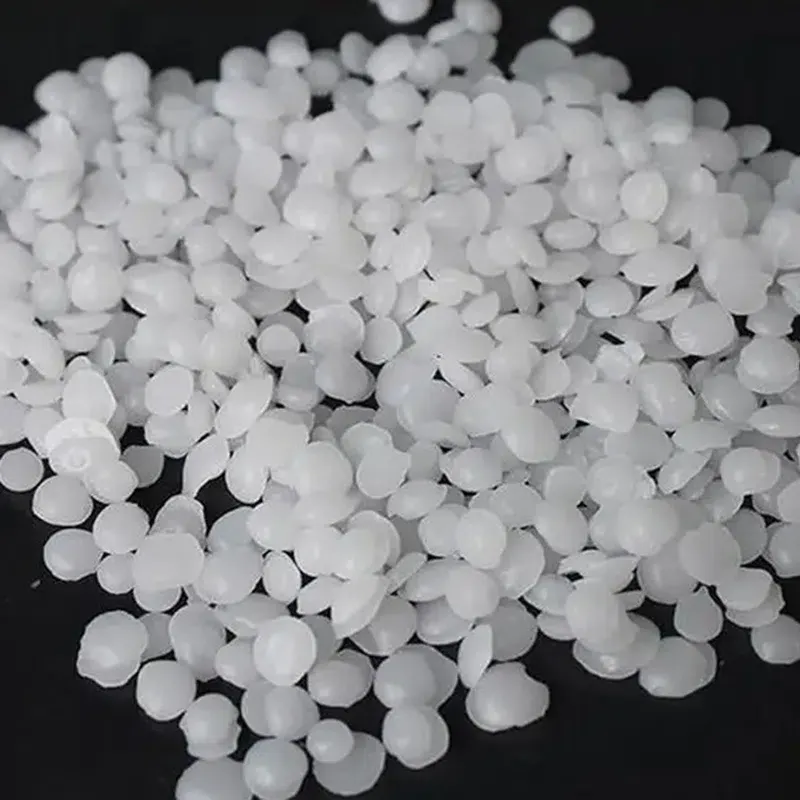
Paraffin Wax, CAS 8002-74-2, is a refined wax composed mainly of solid saturated hydrocarbons. Rather than being a single chemical compound, it contains a distribution of hydrocarbon molecules with different chain lengths. Its composition and physical behavior depend on the refining process and the grade produced.
At room temperature, Paraffin Wax is typically a white or translucent solid with little to no noticeable odor. When heated above its melting range, it becomes a liquid that can be applied by dipping, coating, impregnation, or other suitable processing methods. On cooling, it solidifies into a wax layer. This reversible melting behavior makes it useful where surface coverage, release characteristics, or a moisture-resistant finish is required.
The performance of Paraffin Wax is strongly influenced by its melting point, congealing point, oil content, hardness, penetration, viscosity, and purity profile. A harder grade may be appropriate for applications requiring a more rigid surface finish, while a lower-melting grade may be easier to process at reduced temperatures. These characteristics should be evaluated together rather than selecting material based only on its product name.
For food-related applications, the distinction between general-purpose and food-grade Paraffin Wax is essential. Food-contact or food-use suitability depends on the material's purity, manufacturing controls, applicable specifications, and the precise intended use. A generic CAS number alone does not establish that a product is authorized for direct food contact or consumption.
Paraffin Wax is also used in selected packaging, surface-treatment, personal care, and industrial processes. Its low water solubility and wax-forming behavior can be useful in coatings, polishing systems, and protective layers. The correct grade must be chosen according to processing conditions, required surface performance, and applicable regulations.
Chemical Properties
| Property | Details |
|---|---|
| Product Name | Paraffin Wax |
| CAS Number | 8002-74-2 |
| EC Number | 232-315-6 |
| Common Synonyms | Paraffin; Hydrocarbon Wax; Wax, Paraffin; Hard Paraffin |
| Chemical Type | Refined mixture of solid saturated hydrocarbons |
| General Chemical Formula | CₙH₂ₙ₊₂ for individual acyclic alkane components |
| Molecular Weight | Variable; depends on the hydrocarbon distribution |
| Appearance | Typically white or translucent solid |
| Odor | Generally odorless or nearly odorless |
| Melting Range | Common commercial grades often fall approximately within 46–68°C; confirm the actual grade specification |
| Density | Common reference values are approximately 0.88–0.92 g/cm³; varies with grade and temperature |
| Water Solubility | Practically insoluble |
| General Solubility | Soluble in selected nonpolar organic solvents and compatible oils; behavior depends on temperature and solvent |
| Main Physical Characteristics | Hydrophobicity, wax formation, crystallinity, hardness, and temperature-dependent melting |
| Common Functional Roles | Coating, surface finishing, release, polishing, and moisture-barrier functions where permitted |
| Storage | Store in a cool, dry area in suitable closed packaging; protect from excessive heat and contamination |
Product Applications
1. Food-Related Coatings and Processing
Where specifically permitted, suitable food-grade Paraffin Wax may be used in selected coating, glazing, or processing applications. The exact use, application rate, and purity requirements must comply with the regulations of the destination market.
2. Food Packaging and Paper Treatment
Paraffin Wax can be evaluated in suitable paper or packaging treatments where reduced water penetration and a wax-based surface layer are desired. Performance depends on coating weight, substrate properties, application temperature, and the intended contact conditions.
3. Personal Care and Cosmetic Formulations
Appropriately qualified grades may be incorporated into selected cosmetic or personal care formulations to contribute to consistency, emollient properties, or protective surface effects. The material must meet the applicable cosmetic-grade and regulatory requirements for the intended product.
4. Polishes and Surface Finishes
In selected polishing and finishing systems, Paraffin Wax can provide a smooth wax layer and influence gloss, surface feel, and water repellency. The formulation should be tested for spreading, adhesion, buffing behavior, and durability on the target surface.
5. Industrial Release and Protective Coatings
Paraffin Wax may be used in appropriate release systems and protective coatings where its melting behavior and hydrophobic properties meet the process requirements. Compatibility with the substrate and other formulation components should be confirmed before production.
6. Wax Blends and Manufacturing Processes
Manufacturers may incorporate Paraffin Wax into compatible wax blends or use it in processes requiring a controlled melting and solidification cycle. Selection should be based on melting range, hardness, oil content, viscosity, and the finished product's performance requirements.

FAQ
Q1: What is Paraffin Wax?
Paraffin Wax is a refined mixture of solid saturated hydrocarbons, usually supplied as a white or translucent waxy solid. It is identified by CAS number 8002-74-2.
Q2: Does Paraffin Wax have one molecular formula?
No. It contains multiple hydrocarbon components with different chain lengths. The general alkane formula CₙH₂ₙ₊₂ describes individual acyclic saturated hydrocarbon molecules, not the complete wax mixture as a single compound.
Q3: Is Paraffin Wax soluble in water?
No. It is practically insoluble in water because its hydrocarbon components are hydrophobic.
Q4: What determines the melting point of Paraffin Wax?
The melting behavior depends on the distribution of hydrocarbon chain lengths and the grade's composition. Confirm the specified melting or congealing range for the exact material being purchased.
Q5: Is every Paraffin Wax grade suitable for food applications?
No. Food use depends on the grade's purity and compliance with the applicable requirements for the intended use and market. Confirm the relevant food-grade documentation and regulatory status before selecting the material.


