

Product Description
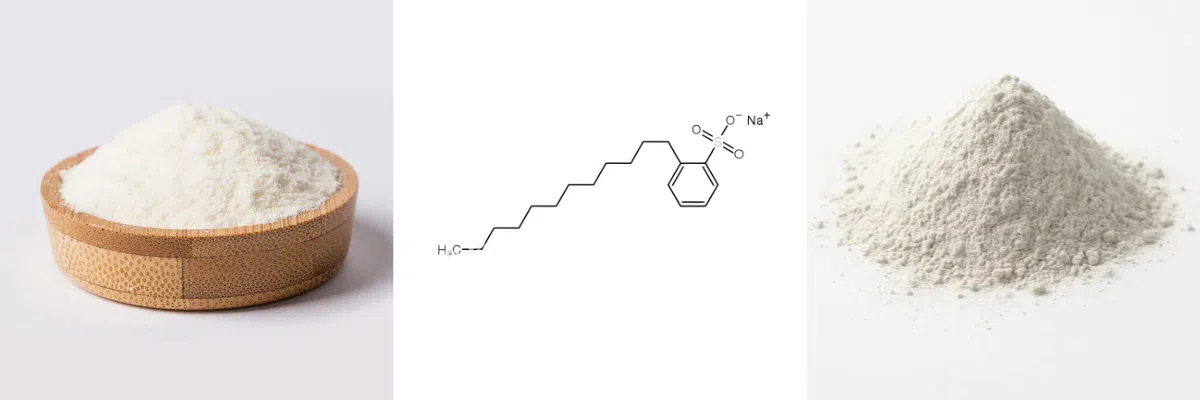
Dodecylbenzenesulfonic Acid Sodium Salt is an anionic surfactant used in detergent and cleaning formulations. It is also known as Sodium Dodecylbenzenesulfonate or Sodium Laurylbenzenesulfonate. Its sulfonate group provides anionic surface activity, while the hydrophobic alkylbenzene portion helps interact with oily soils and greasy residues.
The product is commonly considered for laundry detergents, dishwashing products, and selected industrial cleaning formulations. Depending on the formulation, it can contribute to wetting, soil removal, and dispersion of oily contaminants. Its effectiveness is influenced by water hardness, surfactant combinations, dosage, temperature, and the properties of the material being cleaned.
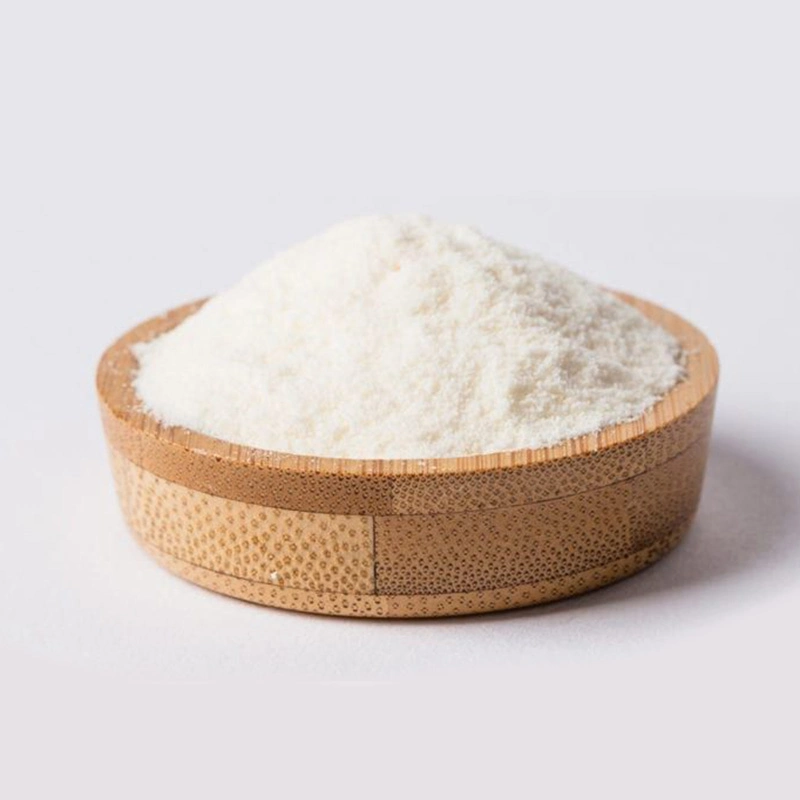
Commercial material may appear as a white to light-yellow powder or granules. The supplied grade can absorb moisture and develop lumps during storage. Such changes should be assessed against the supplier's specifications rather than assumed to have no effect on product quality. Keep the material in sealed packaging and follow the supplier's recommended storage conditions.
CAS 69669-44-9 is associated with a soft-type sodium dodecylbenzenesulfonate mixture in supplier chemical catalogs. Buyers should confirm the alkyl-chain distribution, active content, moisture level, and physical form required for their production process before ordering.
Chemical Properties
| Property | Details |
|---|---|
| Product Name | Dodecylbenzenesulfonic Acid Sodium Salt |
| Common Name | Sodium Dodecylbenzenesulfonate |
| CAS Number | 69669-44-9 |
| Molecular Formula | C₁₈H₂₉NaO₃S, as reported in chemical databases |
| Molecular Weight | 348.48 g/mol, database-reported value |
| Chemical Class | Anionic Surfactant |
| Appearance | White to light-yellow powder or granules, depending on grade |
| Odor | Generally no strong pungent odor reported by the supplier |
| Water Behavior | Water-dispersible; solubility and solution appearance depend on grade and conditions |
| HLB Value | 11.7, as reported in a chemical database |
| Main Functional Properties | Wetting, detergency, soil dispersion, grease removal |
| Storage Considerations | Hygroscopic; protect from moisture and keep packaging tightly sealed |
| Product Documentation | Confirm active content, moisture, purity, and other specifications in the current TDS and COA |
Product Applications
1. Laundry Detergents
Used in selected powder and liquid laundry detergent formulations to support wetting and removal of oily soils. Compatibility with builders, enzymes, fragrances, and other surfactants should be checked during formulation development.
2. Dishwashing Products
Can be evaluated in dishwashing formulations where grease removal and wetting are important. The final product should be assessed for foaming, rinsing behavior, and compatibility with the intended use.
3. Industrial Cleaning Formulations
Suitable for evaluation in selected industrial cleaners for equipment, hard surfaces, and process-related cleaning. Concentration and surfactant combinations should be optimized for the specific soil type and operating conditions.
4. Wetting and Emulsifying Systems
Its anionic surface activity can support wetting and the dispersion of oily materials in compatible formulations. Performance depends on the full formulation and should be validated under actual process conditions.
5. Detergent Powder Manufacturing
Powder or granular grades may be used as surfactant ingredients in dry-blend detergent production. Moisture control and storage conditions are important to reduce caking and maintain consistent processing.

FAQ
Q1: What is Dodecylbenzenesulfonic Acid Sodium Salt used for?
It is an anionic surfactant used mainly in detergent and cleaning formulations, where it can contribute to wetting, detergency, and the removal of oily soils.
Q2: Is it the same as Sodium Dodecylbenzenesulfonate?
Yes. Sodium Dodecylbenzenesulfonate is a commonly used alternative name for Dodecylbenzenesulfonic Acid Sodium Salt. Confirm the CAS number and grade when comparing supplier products.
Q3: Why can the powder form lumps during storage?
The material can absorb moisture from the surrounding environment, which may cause caking. Store it in tightly sealed packaging under the supplier's recommended conditions and check the material against its quality specification before use.
Q4: What should buyers confirm before placing an order?
Confirm the CAS number, active content, purity, moisture, alkyl-chain profile, appearance, packaging, and intended application. Request the current TDS, SDS, and batch-specific COA to verify that the supplied grade meets production requirements.


