

Product Description
Lauryl Hydroxysultaine is an amphoteric surfactant featuring a long-chain lauryl group and a hydroxysultaine functional group. This molecular structure gives it surface-active properties that make it useful in cleansing and foam-forming formulations.
In personal care products, Lauryl Hydroxysultaine is commonly used as a supporting surfactant to improve lather characteristics and help formulators manage viscosity and overall product feel. Its performance depends on the primary surfactants, formulation pH, concentration, and other ingredients in the system.
Beyond personal care, it may be evaluated in selected household and industrial cleaning formulations where its surfactant properties are beneficial. The appropriate grade should be selected according to active matter, physical specifications, compatibility requirements, and the intended application.
For commercial use, confirm the supplied material's identity and specifications with the current Technical Data Sheet (TDS), Safety Data Sheet (SDS), and batch-specific Certificate of Analysis (COA).
Chemical Properties
| Property | Details |
|---|---|
| Product Name | Lauryl Hydroxysultaine |
| CAS Number | 35192-74-6 as listed on the supplier page; verify before publication |
| Alternative CAS Listed in PubChem | 13197-76-7 |
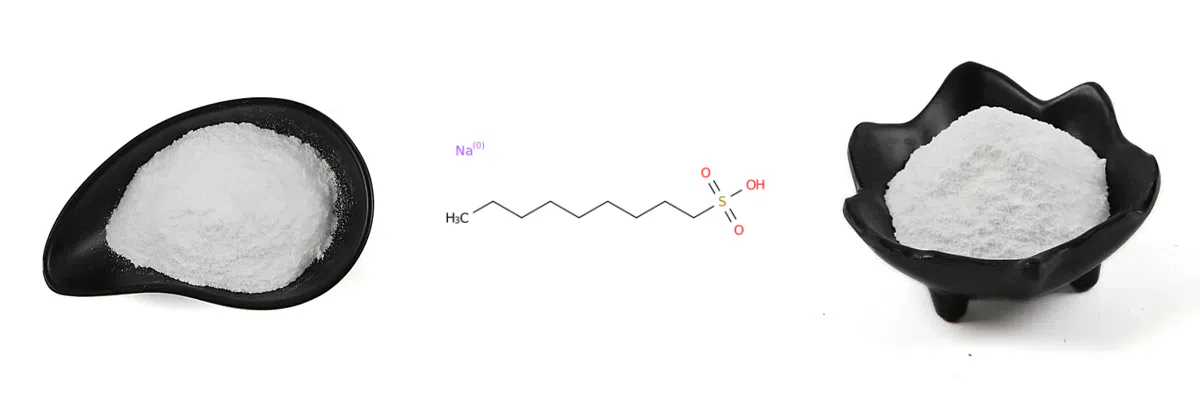
| Molecular Formula | C₁₇H₃₇NO₄S |
| Molecular Weight | 351.5 g/mol |
| Chemical Class | Amphoteric / Zwitterionic Surfactant |
| IUPAC Name | 3-[Dodecyl(dimethyl)azaniumyl]-2-hydroxypropane-1-sulfonate |
| Appearance | Light-yellow transparent liquid, according to the supplier page |
| pH | 6.0–8.0, according to the supplier page |
| Density | Approximately 1.1 g/cm³ at 20°C, according to the supplier page |
| Water Solubility | 680 g/L at 20°C, as reported by the supplier |
| Boiling Point | Approximately 350°C at 101,325 Pa, database-reported value |
| Primary Functions | Surfactant, cleansing, foam boosting, viscosity control |
| Storage | Follow the supplier's product-specific storage instructions and SDS |
Product Applications
1. Shampoo Formulations
Lauryl Hydroxysultaine can be used in shampoo systems to support foam formation and cleansing performance. Its dosage and compatibility should be optimized alongside the primary surfactants.
2. Body Wash and Shower Gel
In body cleansers, it helps develop a rich lather and can contribute to the desired texture and rinsing experience of the finished product.
3. Facial Cleansers and Hand Wash
It may be incorporated into facial cleansing products and liquid hand soaps as part of an amphoteric surfactant blend. Finished-product mildness and skin compatibility should be evaluated for the intended use.
4. Household Cleaning Products
Lauryl Hydroxysultaine can be assessed in selected household cleaning formulations where foam characteristics and surfactant compatibility are important to product performance.
5. Industrial and Specialty Formulations
Depending on the grade and technical requirements, it may be evaluated for selected industrial cleaning, oilfield, or textile-related formulations. Confirm suitability through application-specific testing before commercial adoption.

FAQ
Q1: What is Lauryl Hydroxysultaine?
Lauryl Hydroxysultaine is an amphoteric surfactant used in cleansing and foam-forming formulations. It is particularly relevant to personal care products such as shampoos and body washes.
Q2: What is Lauryl Hydroxysultaine used for?
It is used to support cleansing and foam performance and may help adjust formulation viscosity when combined with compatible ingredients. Other uses depend on the product grade and formulation requirements.
Q3: What should buyers confirm before ordering?
Confirm the chemical identity, CAS number, active matter, pH, appearance, packaging, shelf life, and relevant quality documentation. Request the latest TDS, SDS, and batch-specific COA.
Q4: Can Lauryl Hydroxysultaine be combined with other surfactants?
It can be formulated with selected surfactants, but compatibility and performance depend on the complete composition, concentration, pH, and processing conditions. Conduct formulation testing before production scale-up.


