

Product Description
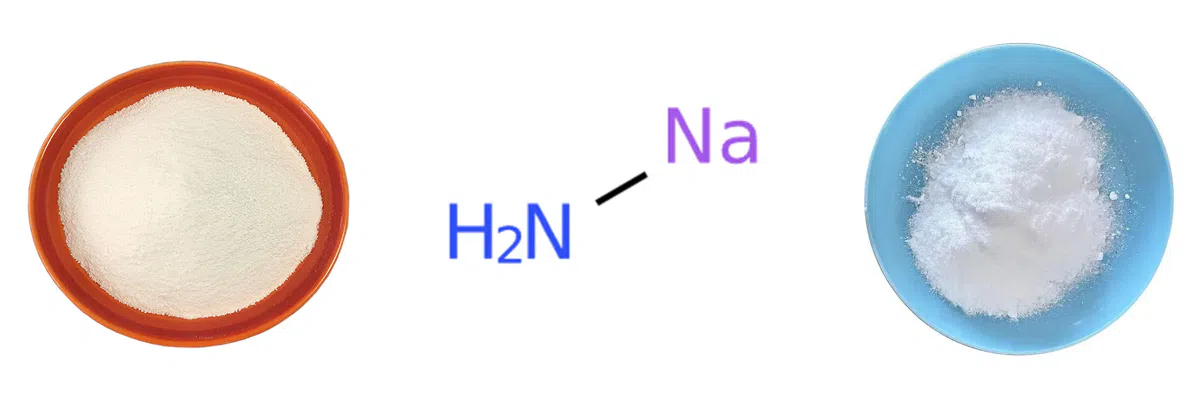
Sodium Amide, also known as Sodamide or Sodium Azanide, is an inorganic compound with the chemical formula NaNH₂ and CAS number 7782-92-5. It has a molecular weight of approximately 39.01 g/mol and is valued primarily for its strong basic character and reactivity in specialized chemical processes.
Unlike general-purpose inorganic salts, Sodium Amide is selected for reactions that require a highly reactive base. In organic synthesis, it can support specific transformations involving compounds such as nitriles and ketones, and it has been used in Claisen condensation and ammonolysis chemistry. Its suitability depends on the reactants, solvent system, moisture sensitivity, reaction conditions, and desired product profile.
Sodium Amide also has relevance in the production of selected chemical intermediates. For manufacturers serving agricultural chemical supply chains, its potential role is generally associated with upstream synthesis or process chemistry, rather than direct application to crops or use as a conventional fertilizer ingredient. Any proposed manufacturing route should be evaluated for technical compatibility, process safety, and regulatory requirements.
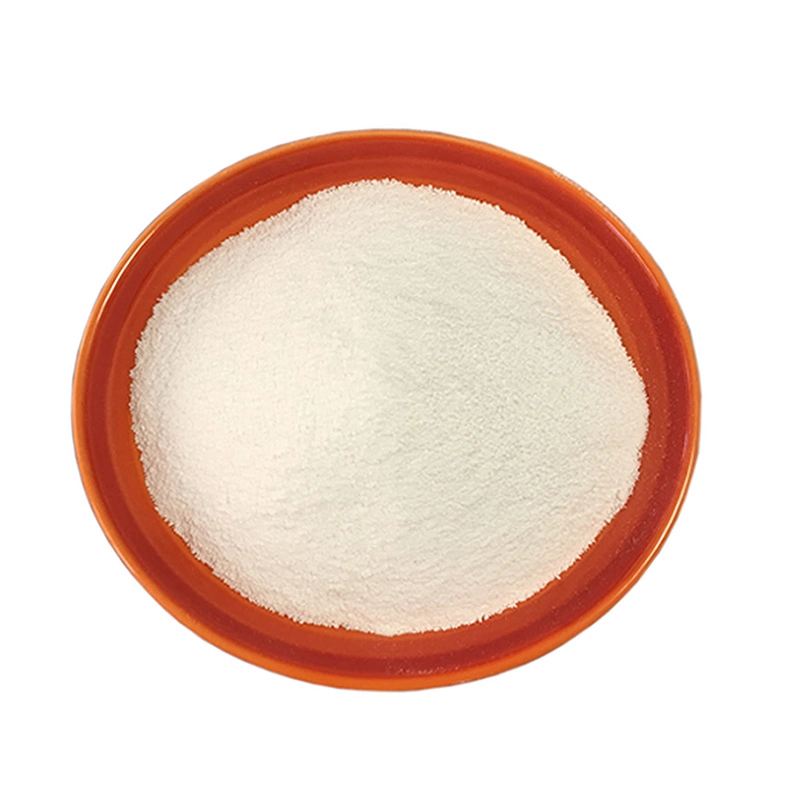
The material is typically supplied as a solid, often in powder, granular, or flake form. Commercial appearance can range from white to greyish-white, depending on the grade and material condition. Because Sodium Amide reacts vigorously with water and is sensitive to moisture and air exposure, its handling requirements differ substantially from those of ordinary solid chemical raw materials.
When sourcing Sodium Amide, buyers should assess the assay, impurity profile, physical form, packaging integrity, and batch documentation together. The product's moisture protection, transport arrangements, and storage controls are especially important because deterioration or improper handling can introduce serious safety risks. Confirm the intended grade and process requirements with the supplier before purchase.
Sodium Amide Chemical Properties
| Property | Details |
|---|---|
| Product Name | Sodium Amide |
| CAS Number | 7782-92-5 |
| Molecular Formula | NaNH₂ |
| Molecular Weight | 39.01 g/mol |
| IUPAC Name | Sodium azanide |
| Common Synonym | Sodamide |
| Chemical Classification | Inorganic sodium compound; strong base |
| Appearance | Typically a white to greyish-white solid; powder, granules, or flakes depending on grade |
| Odor | Generally described as odorless; reaction with moisture may release ammonia |
| Melting Point | Approximately 210°C; confirm against the applicable reference or product documentation |
| Water Reactivity | Reacts vigorously with water; not suitable for ordinary aqueous dissolution |
| Chemical Behavior | Strongly basic and reactive in selected organic synthesis processes |
| Typical Functional Role | Base and reagent for specialized chemical transformations |
| Storage Requirements | Keep dry in tightly closed, moisture-resistant packaging under supplier-specified conditions; protect from water and incompatible materials |
| Safety Classification | Highly reactive and corrosive; consult the current product-specific SDS for the applicable hazard classification |
Product-specific technical note: Sodium Amide quality cannot be judged by appearance alone. Moisture exposure, air contact, and changes in material condition can affect both reactivity and handling risk. Buyers should request the current COA for assay and relevant impurity limits, and should verify the supplier's packaging and storage requirements before accepting a shipment. Do not use material that shows unexpected discoloration, damaged packaging, or suspected moisture contamination without a qualified safety assessment.
Product Applications
1. Organic Synthesis
Sodium Amide is used as a strong base in selected organic reactions. Its suitability should be established according to substrate reactivity, solvent compatibility, and the requirements of the intended synthesis route.
2. Claisen Condensation Chemistry
Sodium Amide has reported use in certain Claisen condensation processes. The appropriate reagent system and reaction conditions depend on the particular compounds being processed and the target product.
3. Ammonolysis Reactions
In selected chemical processes, Sodium Amide is used in ammonolysis-related chemistry. Manufacturers should evaluate reaction compatibility, moisture exclusion, and process controls before incorporating it into a production route.
4. Alkylation of Selected Organic Compounds
Sodium Amide can serve as a base in certain alkylation reactions involving nitriles, ketones, and other suitable substrates. The actual application depends on the substrate structure and validated reaction conditions.
5. Specialty Chemical Intermediate Manufacturing
The compound is used in some routes for producing specialty chemical intermediates. Its role should be assessed at the process-development stage, including reagent requirements, impurity control, waste handling, and the hazards associated with the reaction.
6. Agricultural Chemical Manufacturing Research
For businesses involved in agricultural chemical development, Sodium Amide may be relevant to research or upstream synthesis when a particular reaction route calls for a strong base. This is a process-chemistry application, not a general recommendation for direct agricultural use; suitability must be established for the specific product and manufacturing process.
FAQ
Q1: What is Sodium Amide CAS 7782-92-5 used for?
Sodium Amide is mainly used as a strong base and reagent in selected chemical synthesis processes, including certain ammonolysis, Claisen condensation, and alkylation reactions.
Q2: Is Sodium Amide soluble in water?
It should not be treated as a water-soluble chemical. Sodium Amide reacts vigorously with water, producing sodium hydroxide and ammonia and potentially releasing flammable gas.
Q3: What is the molecular formula of Sodium Amide?
Its molecular formula is NaNH₂, and its molecular weight is approximately 39.01 g/mol.
Q4: Can Sodium Amide be used directly as an agricultural chemical?
It should not be assumed to be a direct-use agricultural product. Its relevance to agricultural chemical manufacturers is generally associated with specific synthesis or processing routes, subject to technical evaluation and regulatory requirements.
Q5: What should be checked before ordering Sodium Amide?
Confirm the assay, impurity limits, physical form, COA, SDS, moisture-resistant packaging, storage requirements, and transport arrangements. The supplier's specifications should match the needs and safety controls of the intended process.


