

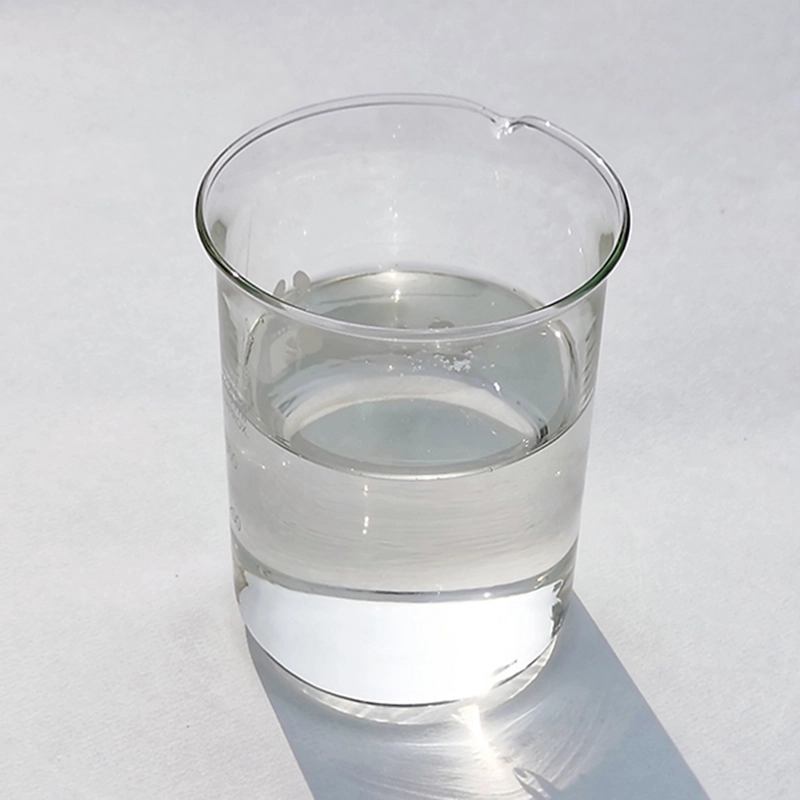
Product Description
Isopropyl Alcohol, also known as isopropanol, IPA, or 2-propanol, is a secondary alcohol identified by CAS number 67-63-0. With the molecular formula C₃H₈O and a molecular weight of approximately 60.10 g/mol, it is a widely used organic solvent in chemical processing, industrial cleaning, and the preparation of formulated products.
The value of Isopropyl Alcohol lies in its combination of solvent capability, complete miscibility with water, and relatively rapid evaporation. It can help dissolve selected organic materials, remove residues from compatible surfaces, and serve as a processing solvent where controlled drying is desirable. Its performance depends on the substance being dissolved, the IPA concentration, temperature, and the composition of the overall formulation.
For agricultural chemical manufacturers, Isopropyl Alcohol may be considered as a solvent or processing aid in suitable formulations, subject to compatibility evaluation and applicable regulatory requirements. It is not, by itself, a substitute for a registered pesticide active ingredient. Any proposed use should be assessed against the finished product's composition, intended application, and relevant local regulations.
Commercial IPA is offered in multiple grades, including industrial and high-purity options. These grades are not interchangeable in every process. For example, applications sensitive to moisture may require tighter water-content limits, while laboratory or specialized manufacturing processes may need additional controls on residue, acidity, or trace impurities.
When sourcing Isopropyl Alcohol, purchasers should confirm the required assay, test method, water content, impurity profile, packaging format, and batch documentation. Because IPA is a highly flammable liquid, storage, transfer, ventilation, and handling arrangements must also meet the applicable safety requirements.
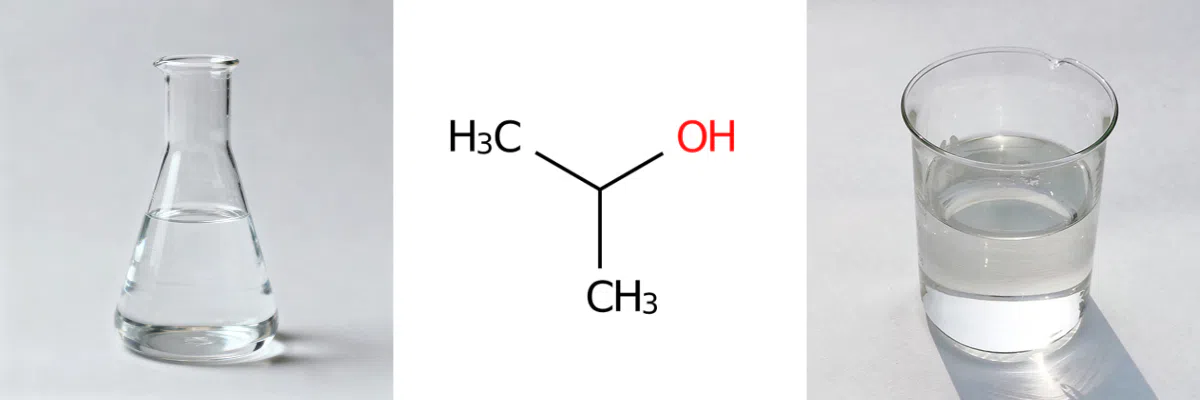
Isopropyl Alcohol Chemical Properties
| Property | Details |
|---|---|
| Product Name | Isopropyl Alcohol |
| CAS Number | 67-63-0 |
| Molecular Formula | C₃H₈O |
| Molecular Weight | 60.10 g/mol |
| IUPAC Name | Propan-2-ol |
| Common Synonyms | Isopropanol, IPA, 2-Propanol |
| Chemical Classification | Secondary alcohol; organic solvent |
| Appearance | Clear, colorless liquid |
| Odor | Characteristic alcohol-like odor |
| Boiling Point | Approximately 82.5°C at atmospheric pressure |
| Melting Point | Approximately −89°C |
| Density | Approximately 0.785 g/cm³ at 20°C |
| Water Solubility | Miscible with water |
| Flash Point | Approximately 12°C in a closed-cup test; value depends on test method |
| Volatility | Volatile liquid with relatively rapid evaporation |
| Main Functional Properties | Solvent, cleaning agent, processing solvent |
| Storage Guidance | Keep in tightly closed, compatible containers in a cool, well-ventilated area away from heat, sparks, flames, and other ignition sources; follow the product SDS |
Product-specific technical note: For Isopropyl Alcohol, the distinction between mass-based purity, volume-based concentration, and water content is particularly important. A nominal concentration alone may not fully describe whether a material is suitable for moisture-sensitive processing or a specialized formulation. Before placing an order, confirm the assay basis, water specification, relevant impurity limits, and test methods on the supplier's COA. Physical-property figures above are general reference values, not a substitute for the specification of the supplied grade.
Product Applications
1. Agricultural Chemical Formulation and Processing
Isopropyl Alcohol may be evaluated as a solvent or processing aid in selected agricultural chemical manufacturing processes. Its suitability depends on the active ingredients, other formulation components, stability requirements, intended use, and applicable regulations.
2. Industrial Cleaning and Surface Preparation
IPA is used in suitable cleaning processes to remove certain oils, residues, and contaminants from compatible surfaces. Material compatibility, ventilation, ignition control, and the required drying time should be considered before use.
3. Chemical Manufacturing
As an organic solvent, Isopropyl Alcohol can support dissolution, dilution, and processing steps in selected chemical production systems. Formulators should verify its compatibility with the raw materials and the intended process conditions.
4. Laboratory and Analytical Work
Appropriate grades of Isopropyl Alcohol are used in laboratory procedures, sample preparation, and equipment cleaning. Analytical or high-purity applications may require tighter specifications than general industrial use.
5. Coatings, Inks, and Specialty Formulations
IPA can serve as a solvent or co-solvent in selected coatings, ink, and specialty chemical systems. Its effect on viscosity, drying behavior, and final product performance should be assessed through formulation testing.
6. Manufacturing of Household and Personal-Care Products
Depending on the grade and applicable standards, Isopropyl Alcohol may be used as an ingredient or processing solvent in certain household and personal-care products. Buyers should confirm the grade's suitability and all relevant regulatory requirements for the finished product.
FAQ
Q1: What is Isopropyl Alcohol CAS 67-63-0?
Isopropyl Alcohol is a secondary alcohol commonly called isopropanol or IPA. It is widely used as an organic solvent in cleaning, chemical processing, and selected formulated products.
Q2: Is Isopropyl Alcohol soluble in water?
Yes. Isopropyl Alcohol is completely miscible with water, meaning the two liquids can mix in any proportion under ordinary conditions.
Q3: What purity of Isopropyl Alcohol should I purchase?
The appropriate grade depends on the application. General industrial processes may accept different specifications from laboratory or moisture-sensitive applications. Confirm the assay, water content, and impurity limits before ordering.
Q4: Can Isopropyl Alcohol be used in agricultural chemical formulations?
It may be suitable as a solvent or processing aid in selected formulations, but compatibility and regulatory compliance must be evaluated for each product. It should not be represented as a registered pesticide active ingredient solely because it is used in an agricultural chemical manufacturing process.
Q5: What safety precautions are required for IPA?
IPA is highly flammable. Keep it away from ignition sources, provide appropriate ventilation, use compatible containers, and follow the supplier's SDS and applicable workplace safety requirements.


