

Product Description
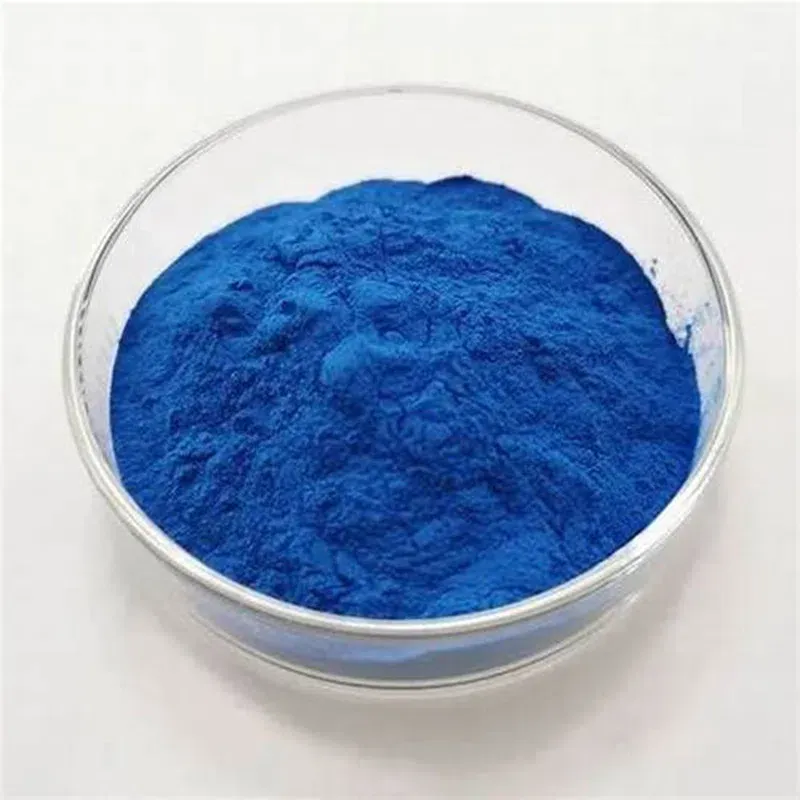
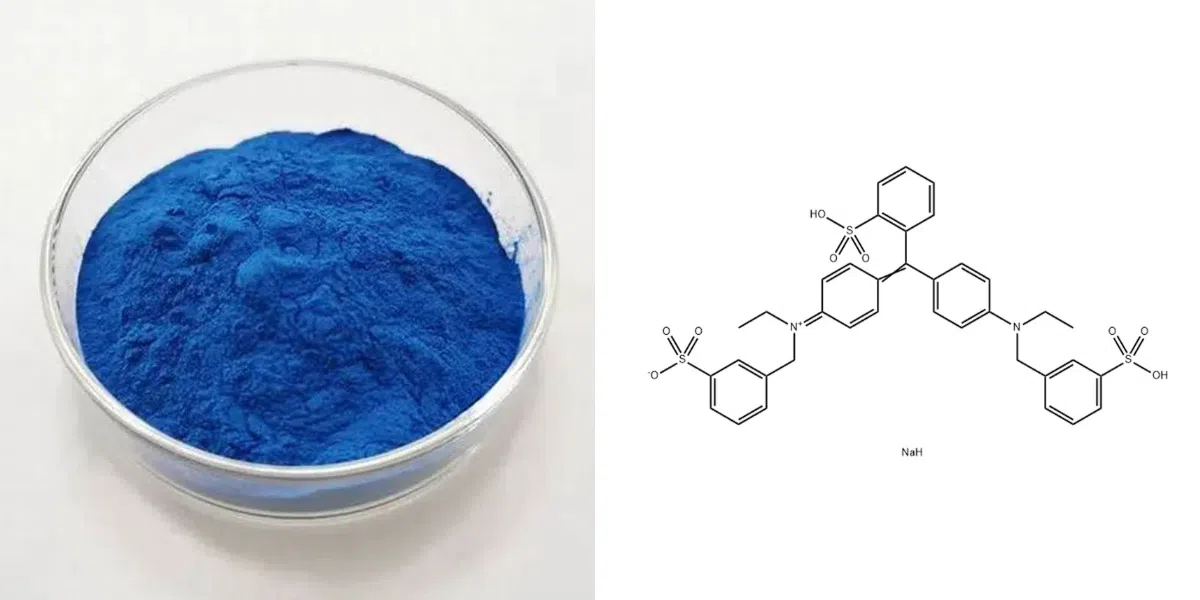
Erioglaucine disodium salt, commonly known as Brilliant Blue FCF, is a synthetic blue colorant with CAS number 3844-45-9. It belongs to the triphenylmethane dye family and has the molecular formula C₃₇H₃₄N₂Na₂O₉S₃, with a molecular weight of approximately 792.85 g/mol.
The material is commonly supplied as a blue to dark-purple powder. Its sulfonate groups contribute to its water solubility, making it suitable for preparing dye solutions and incorporating color into compatible aqueous systems. The resulting shade and intensity can vary with pH, concentration, other ingredients, and processing conditions.
Brilliant Blue FCF is used as a colorant in certain food, pharmaceutical, cosmetic, and laboratory applications, subject to the applicable grade requirements and local regulations. In the United States, FD&C Blue No. 1 is a regulated color additive subject to identity, purity, labeling, and batch-certification requirements. A general-purpose Brilliant Blue FCF product should not automatically be represented as FDA-certified or suitable for every regulated application.
For food and other regulated uses, buyers should verify the product's intended grade, applicable certification status, permitted use, and impurity specifications before purchase. For laboratory staining or diagnostic applications, suitability should be assessed against the relevant method and performance criteria.
When evaluating a batch, review color strength, assay or total color content, water-insoluble matter, moisture or volatile matter, subsidiary colors, and relevant trace-metal limits. Request the current Certificate of Analysis (COA), Technical Data Sheet (TDS), and Safety Data Sheet (SDS). Store the material in a properly closed container and protect it from moisture and contamination in accordance with supplier instructions.
Chemical Properties
| Property | Details |
|---|---|
| Product Name | Erioglaucine Disodium Salt |
| Common Name | Brilliant Blue FCF |
| CAS Number | 3844-45-9 |
| EC Number | 223-339-8 |
| Colour Index Number | C.I. 42090 |
| Molecular Formula | C₃₇H₃₄N₂Na₂O₉S₃ |
| Molecular Weight | Approximately 792.85 g/mol |
| Chemical Class | Synthetic triphenylmethane colorant |
| IUPAC Name | Disodium 2-[[4-[ethyl-[(3-sulfonatophenyl)methyl]amino]phenyl]-[4-[ethyl-[(3-sulfonatophenyl)methyl]azaniumylidene]cyclohexa-2,5-dien-1-ylidene]methyl]benzenesulfonate |
| Appearance | Typically blue to dark-purple powder |
| Solubility | Soluble in water; actual solubility depends on conditions and grade |
| Color | Blue; shade may vary with pH and formulation |
| Absorption Maximum | Approximately 628–630 nm in aqueous solution under specified measurement conditions |
| Assay / Color Content | Grade-specific; verify against the COA and applicable standard |
| Key Quality Parameters | Total color content, water-insoluble matter, subsidiary colors, moisture or volatile matter, and relevant trace impurities |
| Storage | Keep in a tightly closed container, protected from moisture and contamination; follow the current SDS |
Values are typical reference information and should not replace the specification for the actual commercial grade. Regulatory specifications and acceptance limits differ by jurisdiction and intended use.
Product Applications
1. Food and Beverage Coloring
Food-grade Brilliant Blue FCF is used to provide blue coloration in permitted food and beverage applications. Use must comply with the relevant market's food additive regulations, grade requirements, and permitted-use conditions.
2. Pharmaceutical Color Formulations
Appropriately qualified grades may be used to color certain pharmaceutical preparations where permitted by the applicable regulations. Confirm the required compendial or regulatory standard before selecting the material.
3. Cosmetic Products
Brilliant Blue FCF may be used in cosmetic color formulations where the colorant is permitted for the intended product type and area of application. Regional restrictions and product-specific requirements must be checked before formulation.
4. Laboratory Staining and Research
The dye is used in selected laboratory investigations and staining-related procedures. Researchers should evaluate color response, background staining, and compatibility with the analytical method before use.
5. Diagnostic and Histological Reagent Preparation
Suitable grades may be used in certain diagnostic-assay or histology-related reagent preparations. Selection should be based on the method's required purity, reproducibility, and documented performance.
6. Industrial Aqueous Dye Applications
The water-soluble dye may be evaluated for compatible aqueous coloring systems where a blue colorant is required. Formulation stability, light exposure, pH, and compatibility with other ingredients should be tested before commercial production.

FAQ
Q1: What is Erioglaucine disodium salt?
A: It is a synthetic blue colorant commonly known as Brilliant Blue FCF. Its CAS number is 3844-45-9, its Colour Index number is 42090, and its molecular formula is C₃₇H₃₄N₂Na₂O₉S₃.
Q2: Is Brilliant Blue FCF the same as FD&C Blue No. 1?
A: These names are closely associated with the same colorant identity. However, the regulatory designation FD&C Blue No. 1 in the United States requires compliance with the applicable specifications and certification requirements; not every product sold under a general Brilliant Blue FCF name automatically meets those requirements.
Q3: Is Erioglaucine disodium salt soluble in water?
A: Yes. It is water-soluble and can be used to prepare aqueous dye solutions. The actual shade and color strength depend on concentration, pH, and formulation conditions.
Q4: Can this product be used in food, pharmaceutical, or cosmetic products?
A: Only when the supplied grade and intended use meet the applicable regulatory requirements. Confirm the product's documentation, certification status, and permitted use in the destination market before purchase.
Q5: What quality documents should buyers request?
A: Request the current COA, TDS, and SDS. Check CAS identity, color content or assay, water-insoluble matter, subsidiary colors, relevant impurity limits, and any market-specific certification requirements.


