

Product Description
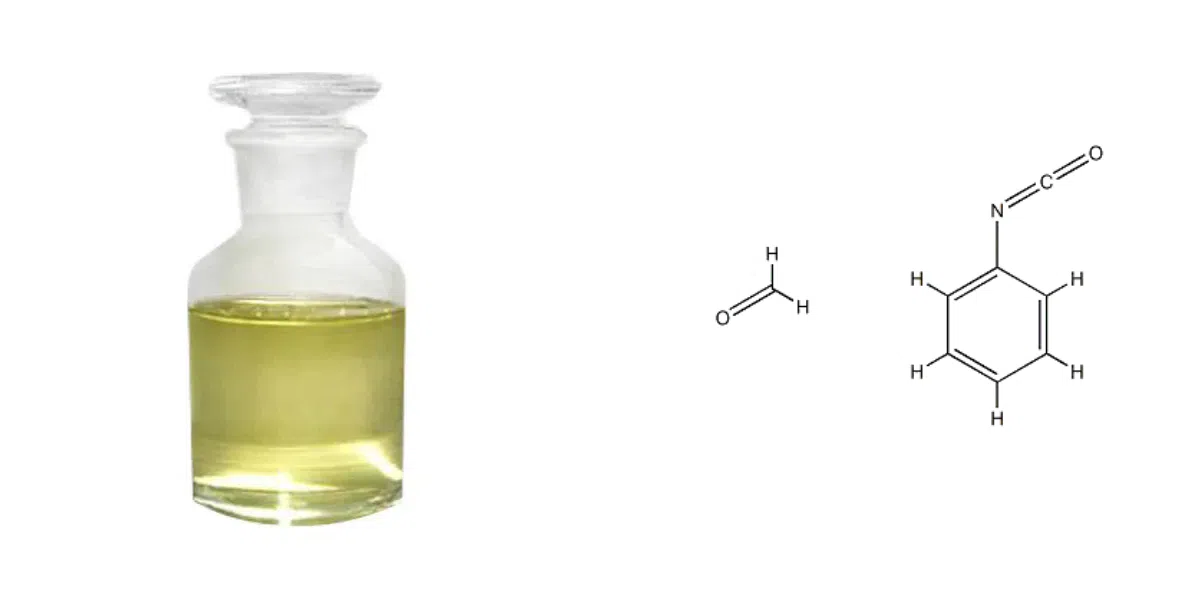
Polymethylene polyphenyl polyisocyanate, commonly abbreviated as PMDI, is a polymeric aromatic isocyanate identified by CAS 9016-87-9. It consists of a distribution of related methylene-bridged aromatic structures carrying reactive isocyanate groups. Because its composition includes oligomeric and higher-functional components, PMDI is not accurately represented by a single fixed molecular formula or molecular weight.
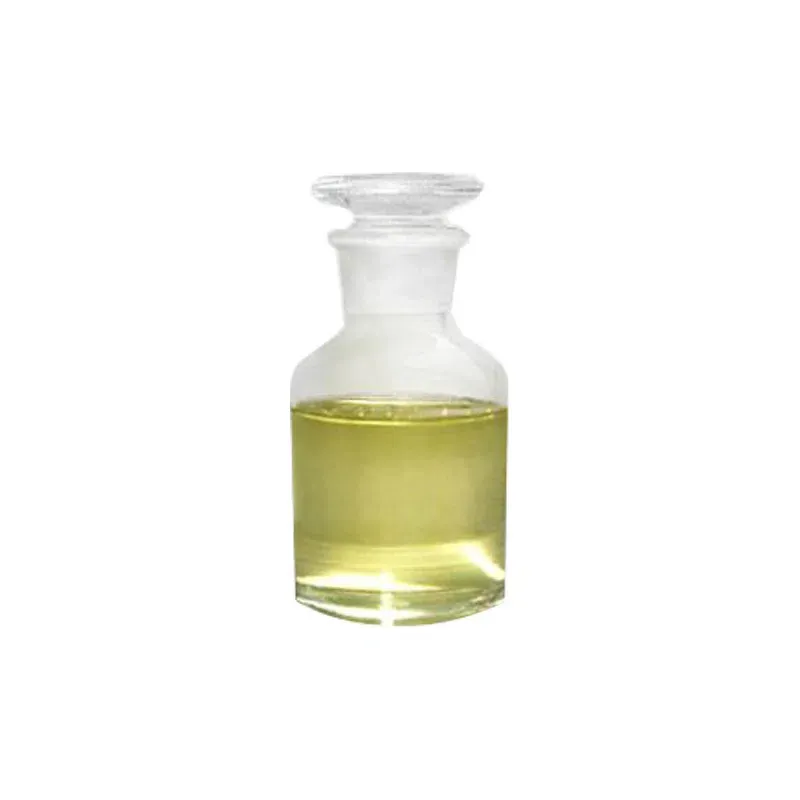
The material is typically supplied as a dark amber to brown viscous liquid. Its defining chemical feature is the presence of reactive –NCO groups, which react with hydroxyl-containing compounds to form urethane linkages. Under suitable formulation and processing conditions, this reaction enables the production of polyurethane materials with tailored rigidity, strength, and dimensional performance.
PMDI is widely used as a reactive component in rigid polyurethane foam manufacture. Additional applications include composite wood binders, industrial adhesives, foundry binders, and selected coating or elastomer systems. Final performance depends on NCO content, viscosity, the functionality of the co-reactants, mixing ratio, moisture control, and curing conditions.
Moisture management is especially important during storage and processing. Contact with water can consume isocyanate groups and generate carbon dioxide and urea-containing reaction products, potentially affecting material quality and process consistency. Containers should therefore remain tightly sealed, and handling should follow the current Safety Data Sheet (SDS).
For procurement, request a current Technical Data Sheet (TDS), Safety Data Sheet (SDS), and batch-specific Certificate of Analysis (COA). Confirm NCO content, viscosity at the stated test temperature, density, acidity, hydrolyzable chlorine, and any additional limits required by the intended application. Values should be taken from the actual supplied grade rather than assumed from generic industry ranges.
Chemical Properties
| Property | Details |
|---|---|
| Product Name | Polymethylene Polyphenyl Polyisocyanate |
| Common Abbreviation | PMDI |
| CAS Number | 9016-87-9 |
| EC / EINECS Identifier | Verify against the current supplier SDS and applicable inventory |
| Chemical Class | Polymeric aromatic isocyanate |
| Structural Description | Distribution of methylene-bridged aromatic compounds containing reactive isocyanate groups |
| Molecular Formula | No single fixed formula; composition varies with oligomer distribution |
| Molecular Weight | No single fixed molecular weight; depends on composition and analytical definition |
| Appearance | Typically dark amber to brown liquid |
| Physical State | Liquid at typical handling temperatures; confirm the grade specification |
| Odor | May have a faint characteristic odor; do not rely on odor to assess exposure |
| Density | Grade- and temperature-dependent; confirm by COA or TDS |
| Viscosity | Grade- and temperature-dependent; confirm the specified test conditions |
| Isocyanate Content (NCO) | Grade-dependent; commonly specified as weight percentage |
| Water Reactivity | Reacts with water, consuming NCO groups and potentially releasing carbon dioxide |
| Main Reactive Function | Reaction with hydroxyl-containing compounds to form polyurethane linkages |
| Storage | Keep tightly sealed and dry; protect from moisture and follow the supplier's SDS for temperature and storage conditions |
Product Applications
1. Rigid Polyurethane Foam
PMDI is used as the isocyanate component in rigid polyurethane foam systems. Depending on the complete formulation, the resulting foam can be designed for thermal insulation, dimensional stability, and load-bearing performance.
2. Insulation Panels and Building Systems
In suitable polyurethane formulations, PMDI supports the manufacture of insulation cores used in building panels and other thermal-management components. Panel performance depends on the foam formulation, production process, and finished-product design.
3. Composite Wood Binders
PMDI can be used as a reactive binder in engineered wood products. Its reaction with suitable components during pressing and curing helps form a bonded composite structure; process conditions and substrate specifications must be evaluated for each application.
4. Industrial Adhesives
Selected adhesive formulations use PMDI as a reactive ingredient to develop bonding and cohesive strength. Formulators should verify substrate compatibility, moisture conditions, curing behavior, and the required mechanical properties.
5. Foundry Core and Mold Binders
PMDI may be used in selected foundry binder systems to support the formation of bonded sand cores or molds. The appropriate grade and curing system depend on the foundry process and required core performance.
6. Specialty Polyurethane Materials
PMDI can be incorporated into selected polyurethane and composite formulations where multifunctional isocyanate reactivity is required. Suitability should be established through formulation testing and review of the relevant processing and safety requirements.

FAQ
Q1: What is PMDI, and what is its CAS number?
A: PMDI stands for polymeric methylene diphenyl diisocyanate, commonly identified by the chemical name Polymethylene Polyphenyl Polyisocyanate. Its CAS number is 9016-87-9.
Q2: Does PMDI have a single molecular formula and molecular weight?
A: No. PMDI is a polymeric mixture containing related structures with different molecular sizes. A single fixed molecular formula or molecular weight does not fully describe the commercial material.
Q3: What is PMDI mainly used for?
A: Its principal uses include rigid polyurethane foam production, engineered wood binders, industrial adhesives, and selected foundry binder systems. The appropriate grade depends on the intended process and finished-product requirements.
Q4: Why must PMDI be protected from moisture?
A: Water reacts with isocyanate groups and can generate carbon dioxide and urea-containing products. Moisture exposure may change the material's quality and interfere with processing, so containers should be kept tightly sealed and dry.
Q5: Which specifications should be confirmed before purchasing PMDI?
A: Check NCO content, viscosity and its test temperature, density, acidity, hydrolyzable chlorine, packaging, and shelf-life conditions. Request the current TDS, SDS, and batch COA to confirm the supplied grade meets the intended application.
Q6: What precautions are required when handling PMDI?
A: PMDI can irritate the skin, eyes, and respiratory system and may cause respiratory or skin sensitization. Use suitable engineering controls and chemical-resistant personal protective equipment, prevent inhalation of mist or aerosols, and follow the current SDS and applicable workplace safety requirements.


