

Product Description
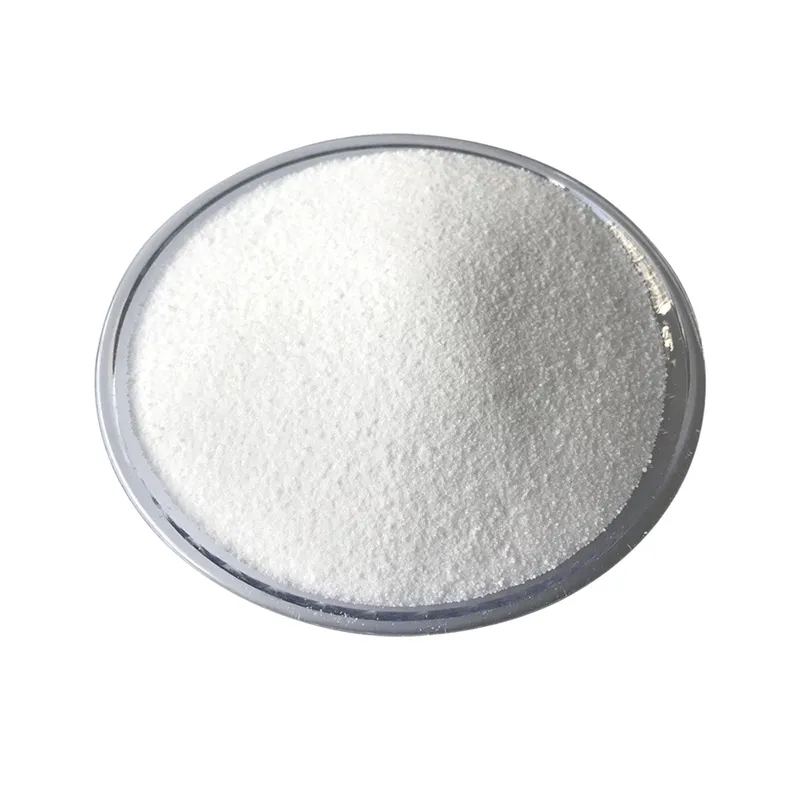
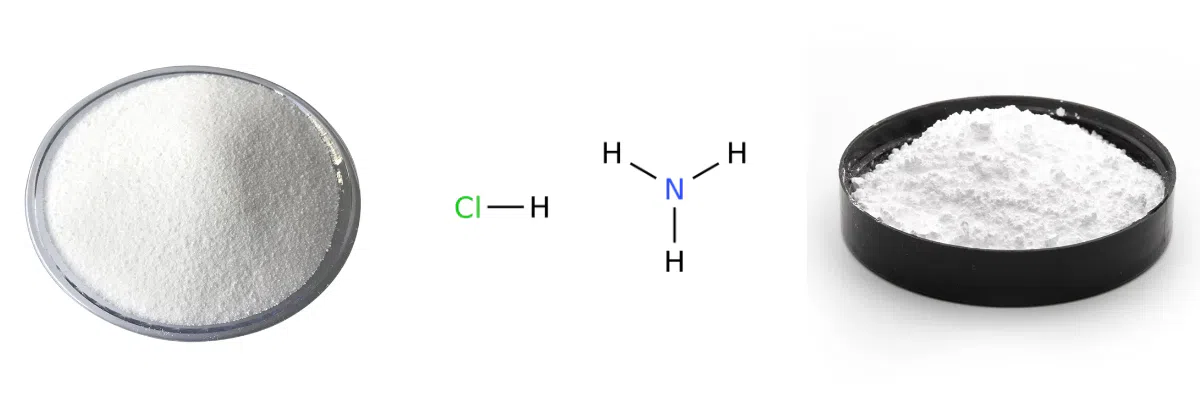
Ammonium chloride is an inorganic salt composed of ammonium cations (NH₄⁺) and chloride anions (Cl⁻). Identified by CAS 12125-02-9, it has the molecular formula NH₄Cl and a molar mass of approximately 53.49 g/mol. The material is commonly supplied as a white crystalline powder or granules and dissolves readily in water.
In aqueous solution, ammonium chloride contributes both ammonium and chloride ions. Its solution behavior and thermal response make it useful in several industrial processes. When heated strongly, it undergoes decomposition and dissociation-related changes rather than behaving like a typical high-boiling liquid, so processing temperatures should be selected with care.
One important application is metal treatment, where ammonium chloride can serve as a flux component to help remove surface oxides during certain soldering and joining operations. It is also used in selected fertilizer formulations as a source of nitrogen and chloride, and in other industrial processes where its ionic composition is beneficial. The suitability of a grade depends on the required purity, process conditions, and any restrictions associated with the finished product.
Ammonium chloride is not interchangeable with other ammonium salts. Its chloride content may affect corrosion behavior, crop suitability, formulation compatibility, and downstream processing. Before selecting it for agricultural or metalworking applications, evaluate the complete formulation and the conditions under which the material will be used.
For purchasing and quality control, confirm the required assay, moisture content, insoluble matter, relevant impurity limits, and physical form. Request the current Technical Data Sheet (TDS), Safety Data Sheet (SDS), and batch-specific Certificate of Analysis (COA). Where the product is intended for food, pharmaceutical, or other regulated uses, verify the required grade and applicable local regulations rather than relying on the chemical name alone.
Chemical Properties
| Property | Details |
|---|---|
| Product Name | Ammonium Chloride |
| CAS Number | 12125-02-9 |
| Molecular Formula | NH₄Cl |
| Molecular Weight | Approximately 53.49 g/mol |
| Chemical Class | Inorganic ammonium salt |
| Ionic Composition | Ammonium cation (NH₄⁺) and chloride anion (Cl⁻) |
| Appearance | White crystalline powder or granules |
| Odor | Odorless under normal conditions |
| Water Solubility | Soluble in water |
| Solution Character | Aqueous solutions are generally mildly acidic |
| Density | Approximately 1.5 g/cm³; confirm the applicable reference temperature and grade data |
| Thermal Behavior | Decomposes or dissociates on strong heating; does not behave as a typical stable high-boiling liquid |
| Assay / Purity | Grade-dependent; verify by COA |
| Moisture Content | Specification-dependent |
| Insoluble Matter | Specification-dependent |
| Chloride and Other Impurities | Confirm the required limits for the intended application |
| Storage | Keep in a tightly closed container in a dry, well-ventilated area and protect from moisture and contamination |
Physical and quality values may vary with test method and product specification. Use the supplied grade's TDS and COA for purchasing and acceptance decisions.
Product Applications
1. Metalworking and Soldering Fluxes
Ammonium chloride is used in selected flux formulations for metal joining and surface treatment. Under appropriate process conditions, it helps address oxide layers on metal surfaces. Flux residues can be corrosive, so post-process cleaning and residue control should follow the requirements of the specific operation.
2. Fertilizer Formulations
Ammonium chloride supplies nitrogen in ammonium form and also contributes chloride. It may be used in agricultural formulations where the crop, soil conditions, and chloride tolerance make this nutrient source appropriate. Application rates should be determined according to agronomic requirements.
3. Industrial Chemical Processing
Its water solubility and ionic composition make ammonium chloride useful in selected processes that require a controlled source of ammonium or chloride ions. Concentration, solution compatibility, and impurity requirements should be established for each process.
4. Dry-Cell and Electrochemical Systems
Ammonium chloride has been used as an electrolyte component in certain battery systems. Its suitability depends on the cell design, formulation, material compatibility, and the relevant electrical and storage requirements.
5. Textile and Surface Treatment Processes
Certain textile-processing and surface-treatment operations may use ammonium chloride as a process chemical or formulation component. Its role varies by process, so compatibility and the effect on the treated material should be confirmed through technical trials.
6. Laboratory and Analytical Applications
Appropriate-purity ammonium chloride can be used to prepare laboratory solutions and reagents where its ammonium and chloride ions are required. Analytical work should use a grade with impurity limits suitable for the method.

FAQ
Q1: What is the CAS number and molecular formula of ammonium chloride?
A: Its CAS number is 12125-02-9, and its molecular formula is NH₄Cl. The molar mass is approximately 53.49 g/mol.
Q2: Is ammonium chloride soluble in water?
A: Yes. Ammonium chloride dissolves readily in water. The resulting solution is generally mildly acidic, and its behavior depends on concentration and temperature.
Q3: What are the main industrial uses of ammonium chloride?
A: Common uses include selected metalworking fluxes, fertilizer formulations, industrial chemical processing, certain electrochemical systems, and laboratory reagent preparation.
Q4: Can ammonium chloride be used in every fertilizer formulation?
A: No. It supplies both ammonium nitrogen and chloride, so suitability depends on crop tolerance, soil conditions, nutrient requirements, and the overall fertilizer formulation.
Q5: What quality parameters should be checked before purchasing?
A: Confirm assay, moisture, insoluble matter, relevant impurity limits, particle size or physical form, packaging, and storage requirements. Request the current TDS, SDS, and batch COA.
Q6: How should ammonium chloride be stored and handled?
A: Store it in a sealed container in a dry, well-ventilated area and avoid contamination. Prevent unnecessary dust generation, use appropriate protective equipment, and follow the current SDS for handling and exposure controls.


