

Product Description
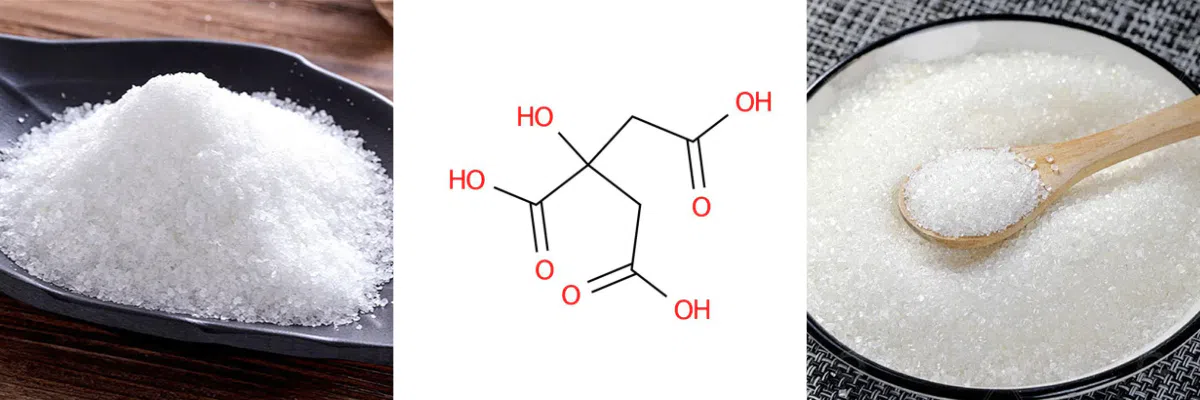
Citric acid, CAS 77-92-9, is a naturally occurring organic acid widely used to control acidity and bind certain metal ions in formulated products. Its chemical structure contains three carboxyl groups and one hydroxyl group, giving it properties useful in pH adjustment, buffering systems, and chelation.
Commercial citric acid is commonly supplied as anhydrous material or as a monohydrate. These forms differ in water content and molecular weight, so the product form should be confirmed before calculating batch quantities or comparing specifications. Anhydrous citric acid has the molecular formula C₆H₈O₇ and a molecular weight of approximately 192.12 g/mol.
In aqueous systems, citric acid can help establish a target pH and reduce the effects of certain metal ions that may influence color, stability, or processing performance. Its practical effectiveness depends on concentration, pH, the metals present, and the other ingredients in the formulation. It should therefore be selected according to the requirements of the final application rather than by name alone.
Citric acid is used in food and beverage processing, pharmaceutical formulations, personal care products, household cleaners, and industrial descaling or metal-control applications. The required grade varies significantly between these sectors. Food and pharmaceutical uses require the appropriate grade and compliance documentation; an industrial grade should not be assumed suitable for ingestion or pharmaceutical manufacture.
For procurement, specify whether anhydrous citric acid or citric acid monohydrate is required, together with the intended application and applicable quality standard. Review the current Certificate of Analysis (COA), Technical Data Sheet (TDS), and Safety Data Sheet (SDS), paying particular attention to assay, moisture, impurity limits, packaging, and storage conditions.
Chemical Properties
| Property | Details |
|---|---|
| Product Name | Citric Acid |
| CAS Number | 77-92-9 |
| IUPAC Name | 2-Hydroxypropane-1,2,3-tricarboxylic acid |
| Molecular Formula | C₆H₈O₇ (anhydrous form) |
| Molecular Weight | 192.12 g/mol (anhydrous form) |
| Chemical Class | Organic tricarboxylic acid |
| Functional Groups | Three carboxyl groups and one hydroxyl group |
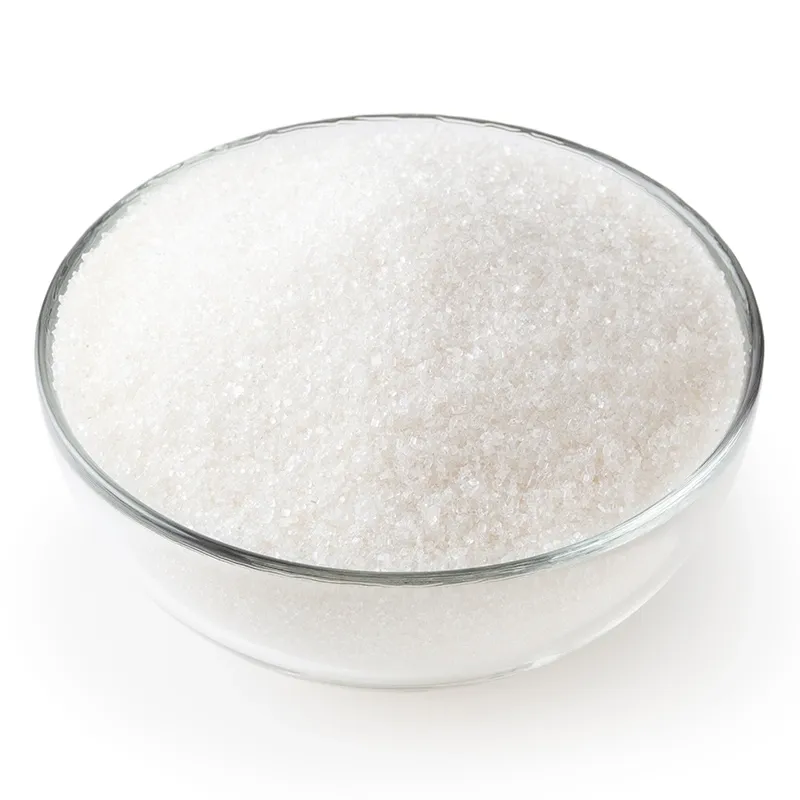
| Appearance | Typically a white crystalline solid or colorless-to-white crystals |
| Physical State | Solid |
| Water Solubility | Readily soluble in water; solubility depends on temperature |
| Melting Behavior | Approximately 153 °C with decomposition reported; verify the test method and grade |
| pKa Values | Approximately 3.13, 4.76, and 6.40 at around 25 °C |
| Density | Approximately 1.66 g/cm³ for anhydrous citric acid; reference conditions may vary |
| Common Commercial Forms | Anhydrous citric acid and citric acid monohydrate |
| Assay / Purity | Grade-specific; confirm against the supplier's COA |
| Storage | Keep in a tightly closed container in a cool, dry place, following the supplier's SDS |
Values shown are typical reference data for anhydrous citric acid, not guaranteed batch specifications. The monohydrate has a different molecular formula and molecular weight. Confirm the supplied form and its current technical documentation before use.
Product Applications
1. Food and Beverage Processing
Food-grade citric acid is used as an acidity regulator and flavor-acidity ingredient in products such as beverages, confectionery, sauces, and processed foods. The appropriate grade and permitted use levels depend on the applicable food regulations and formulation.
2. Pharmaceutical Formulations
Suitable pharmaceutical grades may be used in pH adjustment, buffering systems, and selected effervescent formulations. The required compendial standard and impurity limits should be confirmed for the specific product.
3. Personal Care and Cosmetic Products
Citric acid can be used to adjust pH in selected skin-care, hair-care, and cleansing formulations. The final concentration must be established through formulation testing and appropriate product safety assessment.
4. Household and Institutional Cleaning
In cleaning formulations, citric acid can help remove mineral deposits and support the control of hard-water residues. Performance depends on the deposit composition, concentration, contact time, and compatibility with the surface being cleaned.
5. Industrial Descaling and Metal-Ion Control
Citric acid may be used in selected descaling, cleaning, and process-water applications where acidic conditions or metal-ion complexation are useful. Compatibility testing is important because acidic solutions can attack certain metals, coatings, and other sensitive materials.
6. Chemical and Laboratory Applications
Laboratory and technical grades can be used in solution preparation, pH studies, and chemical formulation work. Choose a grade with impurity limits appropriate to the analytical method or process.

FAQ
Q1: What is the CAS number of citric acid?
A: The CAS number of citric acid is 77-92-9. Its anhydrous form has the molecular formula C₆H₈O₇ and a molecular weight of approximately 192.12 g/mol.
Q2: What is the difference between anhydrous citric acid and citric acid monohydrate?
A: Anhydrous citric acid does not contain a stoichiometric water molecule in its crystal structure, while citric acid monohydrate contains one water molecule per citric acid molecule. Their molecular weights and moisture characteristics differ, so confirm the required form before purchase or formulation.
Q3: What are the main uses of citric acid?
A: Common uses include acidity regulation in food and beverages, pH adjustment in formulations, pharmaceutical applications, personal care products, cleaning products, and selected industrial descaling processes.
Q4: Is every citric acid grade suitable for food or pharmaceutical use?
A: No. Suitability depends on the grade, applicable standards, impurity limits, and supporting documentation. Verify the product specification and relevant compliance documents before selecting a grade for regulated applications.
Q5: What should buyers check before ordering citric acid?
A: Confirm the CAS number, anhydrous or monohydrate form, assay, moisture content, impurity limits, intended application, packaging, and storage requirements. Request the current COA, TDS, and SDS for the actual grade supplied.


