

Product Description
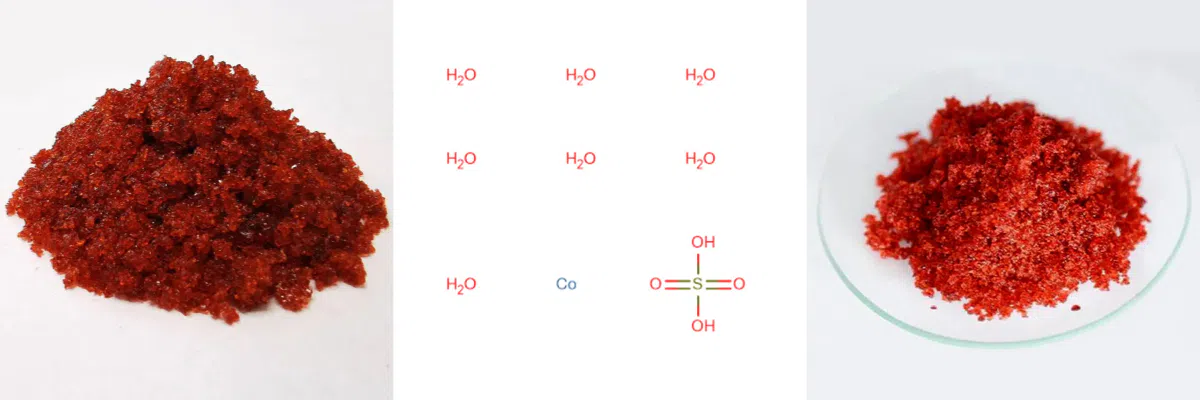
Cobalt sulfate heptahydrate is an inorganic cobalt salt with the formula CoSO₄·7H₂O and a molecular weight of approximately 281.09 g/mol. It consists of cobalt(II) sulfate associated with seven water molecules in its crystalline structure. The hydration state is an important specification because it affects molecular weight calculations, theoretical cobalt content, and the quantity required for solution preparation.
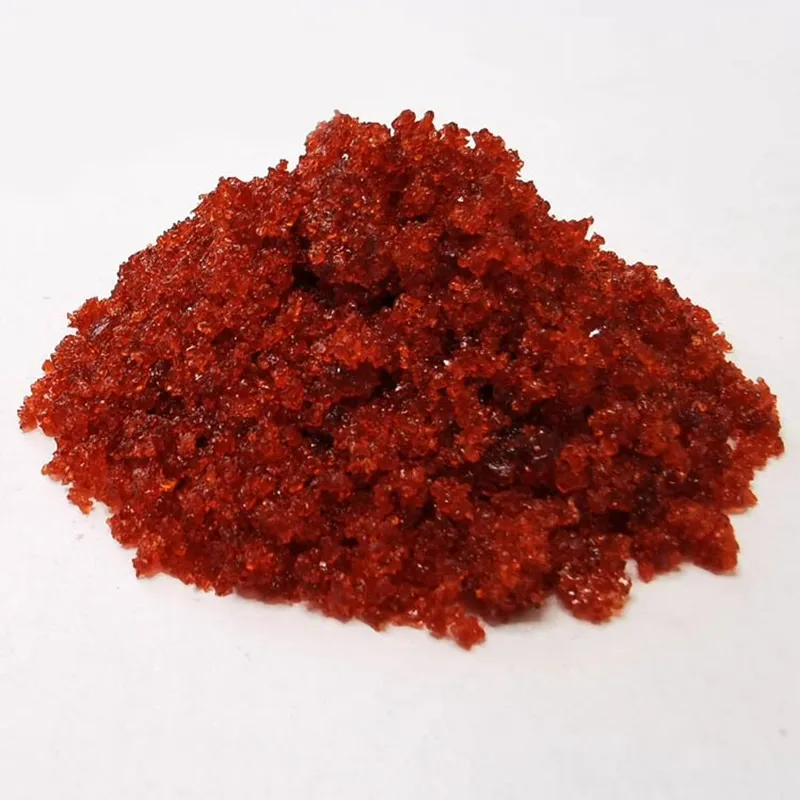
The material is commonly supplied as red to pink crystalline solids, although the exact appearance can vary with product grade and physical form. Its water solubility makes it suitable for processes that require cobalt ions in an aqueous medium. When preparing solutions, users should calculate additions based on the heptahydrate form rather than using the molecular weight of anhydrous cobalt sulfate.
Industrial applications may include electroplating baths, the manufacture of other cobalt compounds, and selected cobalt-containing material processes. In battery-related supply chains, its suitability depends on the required precursor chemistry, impurity limits, and the manufacturer's process specifications; it should not automatically be considered battery grade without supporting documentation.
For procurement, confirm that the product is specifically cobalt sulfate heptahydrate, CAS 10026-24-1. Review the Certificate of Analysis (COA) for assay, cobalt content, moisture or hydration-related requirements, insoluble matter, and relevant trace impurities. Where the material is intended for electroplating, battery-material processing, or another tightly controlled process, request the applicable technical specification before placing an order.
Cobalt sulfate requires careful handling. Exposure may cause skin or respiratory sensitization, and cobalt compounds may present serious health and environmental hazards. Consult the current Safety Data Sheet (SDS), follow workplace exposure controls, and prevent uncontrolled release into drains or the environment.
Chemical Properties
| Property | Details |
|---|---|
| Product Name | Cobalt Sulfate Heptahydrate |
| CAS Number | 10026-24-1 |
| EC Number | 233-334-2 |
| Molecular Formula | CoSO₄·7H₂O |
| Alternative Formula Representation | CoH₁₄O₁₁S |
| Molecular Weight | 281.09 g/mol |
| IUPAC Name | Cobalt(II) sulfate heptahydrate |
| Chemical Class | Inorganic sulfate salt |
| Cobalt Oxidation State | +2 |
| Hydration State | Heptahydrate; 7 H₂O per formula unit |
| Appearance | Typically red to pink crystals or crystalline powder; confirm the supplied grade |
| Water Solubility | Soluble in water |
| Anhydrous Equivalent | CoSO₄; a different hydration form with a different molecular weight |
| Assay / Purity | Grade-specific; verify using the supplier's COA |
| Key Quality Parameters | Cobalt content, assay, insoluble matter, and relevant trace impurities |
| Storage | Store in a tightly closed, appropriately labelled container under the conditions specified in the current SDS |
Physical appearance and quality limits may vary by grade. Use the supplier's current TDS, COA, and SDS as the controlling documents for product specifications and handling requirements.
Product Applications
1. Electroplating and Surface Treatment
Cobalt sulfate heptahydrate can be used as a cobalt-ion source in compatible electroplating baths and surface-treatment processes. Bath composition, concentration, and operating conditions should be established according to the process specification.
2. Manufacture of Other Cobalt Compounds
It can serve as a starting material for preparing selected cobalt-containing compounds. The required purity and reaction conditions depend on the target compound and downstream processing route.
3. Battery-Material and Cobalt Precursor Processing
Cobalt sulfate is relevant to some cobalt-containing battery-material supply chains. Suitability for a particular precursor or cathode-material process must be confirmed against the required impurity profile and applicable battery-grade specification.
4. Ceramic and Pigment Production
Selected cobalt-containing formulations use cobalt compounds to introduce cobalt into ceramic, glaze, or pigment systems. The appropriate grade and conversion process depend on the desired final composition and performance.
5. Laboratory and Analytical Applications
Laboratory or analytical grades may be used to prepare cobalt-containing solutions, reference preparations, or process samples where the documented purity is suitable for the method.
6. Industrial Chemical Formulation
The compound may be evaluated for other industrial processes requiring a soluble source of cobalt(II). Application suitability depends on process compatibility, impurity tolerance, regulatory requirements, and safe handling controls.
FAQ
Q1: What is the CAS number of cobalt sulfate heptahydrate?
A: Its CAS number is 10026-24-1. The corresponding formula is CoSO₄·7H₂O, and its molecular weight is approximately 281.09 g/mol.
Q2: What is the difference between cobalt sulfate heptahydrate and anhydrous cobalt sulfate?
A: The heptahydrate contains seven water molecules of crystallization, whereas anhydrous cobalt sulfate does not. Their molecular weights and theoretical cobalt contents differ, so they should not be substituted on an equal-mass basis.
Q3: Is cobalt sulfate heptahydrate water-soluble?
A: Yes. It is soluble in water and can be used to prepare aqueous cobalt-containing solutions. The required concentration and preparation conditions depend on the application.
Q4: Can this product be used in battery-material production?
A: It may be suitable for selected cobalt-containing material processes, but not every commercial grade meets battery-material requirements. Confirm the required impurity limits, cobalt content, and supporting quality documentation with the supplier.
Q5: What safety precautions are required?
A: Review the current SDS before handling. Use appropriate protective equipment and exposure controls, avoid inhaling dust or allowing contact with skin and eyes, and manage waste according to applicable requirements. Cobalt sulfate should not be released into the environment.


