

Product Description
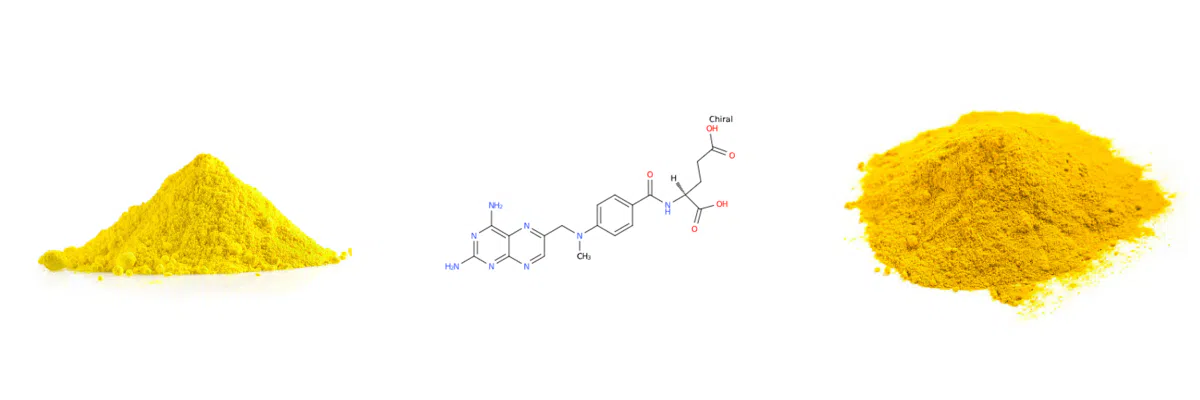
Methotrexate, also known as MTX or Amethopterin, is a synthetic folate antagonist with the CAS number 59-05-2. Its molecular formula is C₂₀H₂₂N₈O₅, and its molecular weight is approximately 454.44 g/mol. The molecule contains a pteridine-based heterocyclic system linked to an aminobenzoyl group and a glutamate-derived portion.
Methotrexate is best known for its interaction with folate metabolism. It inhibits dihydrofolate reductase (DHFR), an enzyme involved in maintaining folate cofactors required for nucleotide biosynthesis. This mechanism makes the compound important in pharmaceutical science, biochemical investigations, and studies of cellular proliferation.
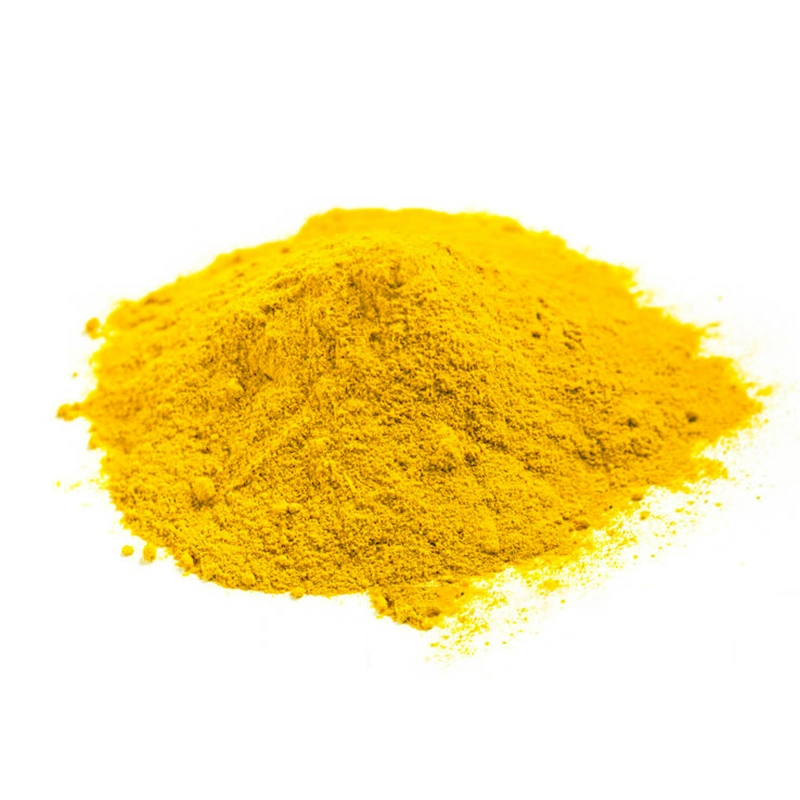
The material is commonly described as a yellow to orange-yellow crystalline powder. It is poorly soluble in plain water, while solubility can improve in suitable alkaline or acidic solutions and certain organic solvents. Solvent selection and solution stability should be assessed using grade-specific technical data and an appropriate laboratory protocol.
For research procurement, Methotrexate should be evaluated according to its intended analytical or experimental use. Relevant criteria include identity, assay, related substances, residual solvents where applicable, packaging integrity, and storage requirements. As this compound has significant toxicological hazards, purchasing and handling should be restricted to appropriately equipped and authorized facilities.
Although the linked page is located under an agricultural-chemicals category, Methotrexate is not a conventional fertilizer, crop nutrient, or routine agrochemical. A pharmaceutical or research-chemical category would more accurately represent its established applications and help visitors find the product through relevant search terms.
Methotrexate Chemical Properties
| Property | Details |
|---|---|
| Product Name | Methotrexate |
| CAS Number | 59-05-2 |
| Molecular Formula | C₂₀H₂₂N₈O₅ |
| Molecular Weight | 454.44 g/mol |
| Common Synonyms | MTX; Amethopterin; 4-Amino-10-methylfolic acid |
| Chemical Class | Folate antagonist; antimetabolite |
| Appearance | Yellow to orange-yellow crystalline powder |
| Melting Point | Approximately 185–204°C, with decomposition reported; values vary by source and test method |
| Water Solubility | Poorly soluble or practically insoluble in plain water |
| Solubility in Other Media | Solubility depends on solvent and pH; reported to improve in dilute alkaline or acidic solutions and certain organic solvents |
| Key Structural Features | Pteridine ring system, aminobenzoyl group, and glutamate-derived moiety |
| Biological Target | Dihydrofolate reductase (DHFR) |
| Storage | Follow the product-specific SDS and supplier instructions; protect from unsuitable environmental conditions and exposure during handling |
Technical note: Methotrexate's limited water solubility is important when interpreting analytical methods and laboratory formulation data. Results reported for free methotrexate should not automatically be applied to its salts or formulated products. Buyers should also distinguish general reference values from the actual release specifications of the supplied batch.
Product Applications
1. Pharmaceutical Research
Methotrexate is studied in pharmaceutical research because of its established role in folate metabolism and its pharmacological activity. Research-grade material should be selected according to the experimental requirements and applicable institutional procedures.
2. Biochemical and Enzyme Research
As a DHFR inhibitor, Methotrexate is used in studies examining folate-dependent biochemical pathways, enzyme interactions, and nucleotide biosynthesis. Its defined chemical identity supports compound-specific analytical and mechanistic investigations.
3. Cellular and Molecular Biology Studies
Methotrexate is investigated in research involving cell proliferation and cellular responses to folate-pathway inhibition. Experimental findings depend on the biological model, research conditions, and study design.
4. Analytical Method Development
Qualified reference material or a characterized research-grade product may be used in analytical method development, identity confirmation, and related-substance evaluation. Suitability depends on the assigned purity, documentation, and intended analytical purpose.
5. Pharmaceutical Quality and Stability Studies
Methotrexate may be examined in studies of chemical stability, degradation behavior, and pharmaceutical quality attributes. Storage conditions, light exposure, and sample preparation should follow validated procedures and the applicable product documentation.

FAQ
Q1: What is Methotrexate CAS 59-05-2?
Methotrexate is a folate antagonist also known as MTX or Amethopterin. Its molecular formula is C₂₀H₂₂N₈O₅, and its molecular weight is approximately 454.44 g/mol.
Q2: Is Methotrexate soluble in water?
Methotrexate is poorly soluble in plain water. Its solubility depends on the solvent and pH, so the relevant technical data should be consulted before selecting an analytical or research method.
Q3: What is Methotrexate used for in research?
It is studied in pharmaceutical, biochemical, cellular, and analytical research, particularly in relation to folate metabolism and DHFR inhibition.
Q4: Is Methotrexate a conventional agricultural chemical?
No. Methotrexate is primarily associated with pharmaceutical and laboratory research rather than routine agricultural applications. The product category should reflect the actual grade and intended market.
Q5: What should buyers verify before purchasing Methotrexate?
Confirm the intended grade, assay, identity, impurity profile, batch documentation, packaging, storage instructions, and applicable purchasing restrictions. Handling and use should follow the product SDS and institutional safety requirements.


