
Product Description
Palatinose, alternatively referred to as isomaltulose, is an isomeric form of sucrose. It takes sucrose as raw feedstock and undergoes transformation and purification with the help of α‑glucosyltransferase. This sweetener is developed through biotechnological means; enzyme‑modifying techniques are adopted to improve the functional traits of sucrose. Being a naturally‑derived nutritive carbohydrate, it mitigates health risks triggered by over‑consumption of sucrose.
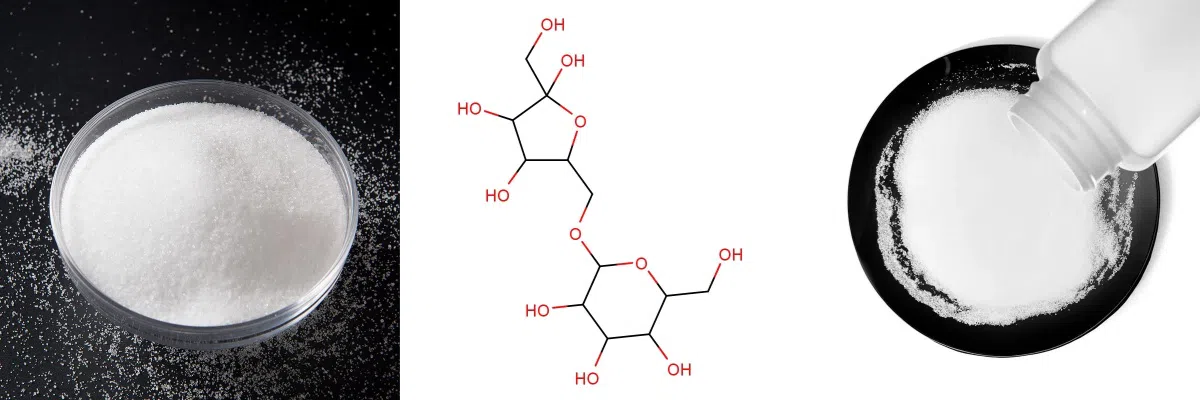
Classified as a disaccharide, it is built from glucose and fructose units joined together by an α‑1,6‑glycosidic bond. When catalyzed by glucosyltransferase, sucrose’s native α‑1,2‑glycosidic bond gets broken, followed by rearrangement to establish the α‑1,6 linkage. This variation in internal glycosidic bonding represents its sole structural distinction from sucrose, qualifying it as a sucrose isomer.
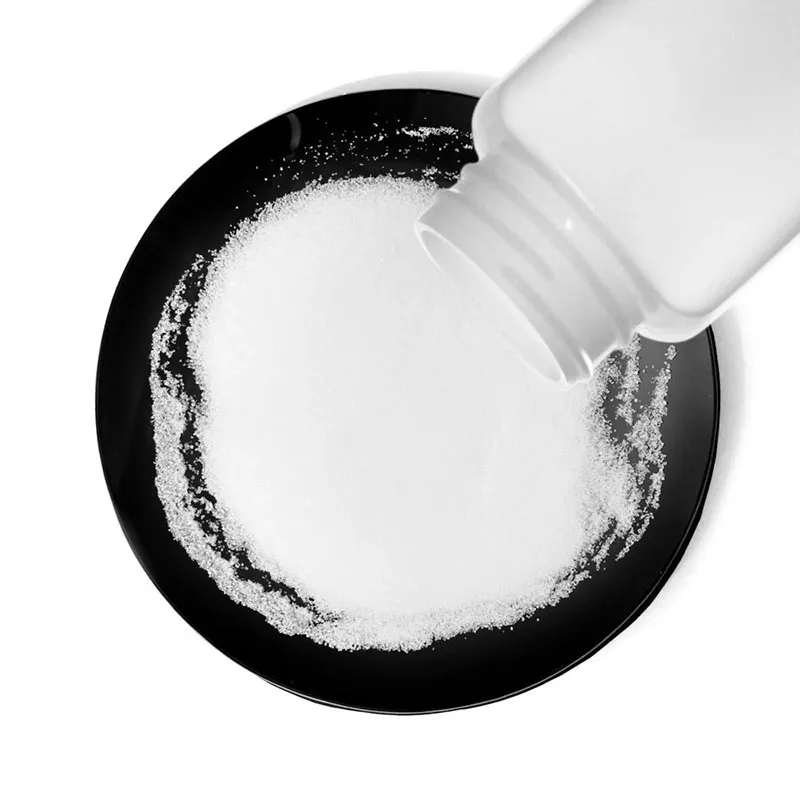
The substance presents itself as colour‑free, white crystalline solids that hold one crystal‑water molecule, boasting a molecular weight of 360.32. Its melting point hits 124 °C, and its specific rotation [α]₂₀ᴰ registers at 97.2°. It barely absorbs moisture or exhibits slight hygroscopic behaviour. Compared with sucrose, it demonstrates reduced solubility and viscosity alongside outstanding acid‑tolerant performance. Modern‑day large‑scale manufacturing of palatinose utilises sucrose feedstock and relies on immobilised‑cell or immobilised‑enzyme bioprocesses.
Core Chemical Properties
| Melting point | 125-128°C |
| Alpha | 100 º (c=2, H2O) |
| Boiling point | 684.1±55.0 °C(Predicted) |
| Density | 1.77±0.1 g/cm3(Predicted) |
| Storage temp | Hygroscopic, -20°C Freezer, Under inert atmosphere |
| Solubility | DMSO (Slightly), Water (Slightly) |
| Form | Solid |
| Pka | 11.39±0.70(Predicted) |
| Color | White to Off-White |
| Safety Statements | 24/25 |
| HS Code | 29329990 |
Product Applications
Palatinose features mild sweetness, good moisture‑resistant capability and remarkable acid stability. Yeast and some microbial strains are incapable of decomposing it. It does not contribute to dental caries, delivers flavour comparable to sucrose, and fits the dietary needs of diabetic populations. Thanks to these merits, it may substitute sucrose either partially or completely within food, drink and frozen‑food formulations.
Its common application scenarios cover cold desserts, baked goods, concentrated fruit juices, candy products, preserved fruits, fruit preserves, alcoholic drinks, crackers, bread and assorted derivative foodstuffs.
After human consumption, sophisticated enzymes within the small intestine slowly split palatinose into glucose and fructose. Its slow uptake and metabolic pattern support steady blood‑glucose readings. Its low impact on insulin swings renders it friendly for diabetics. Owing to its non‑cariogenic property, it also works well for sugar‑needing infants and teenagers in growth phases.