

Product Description
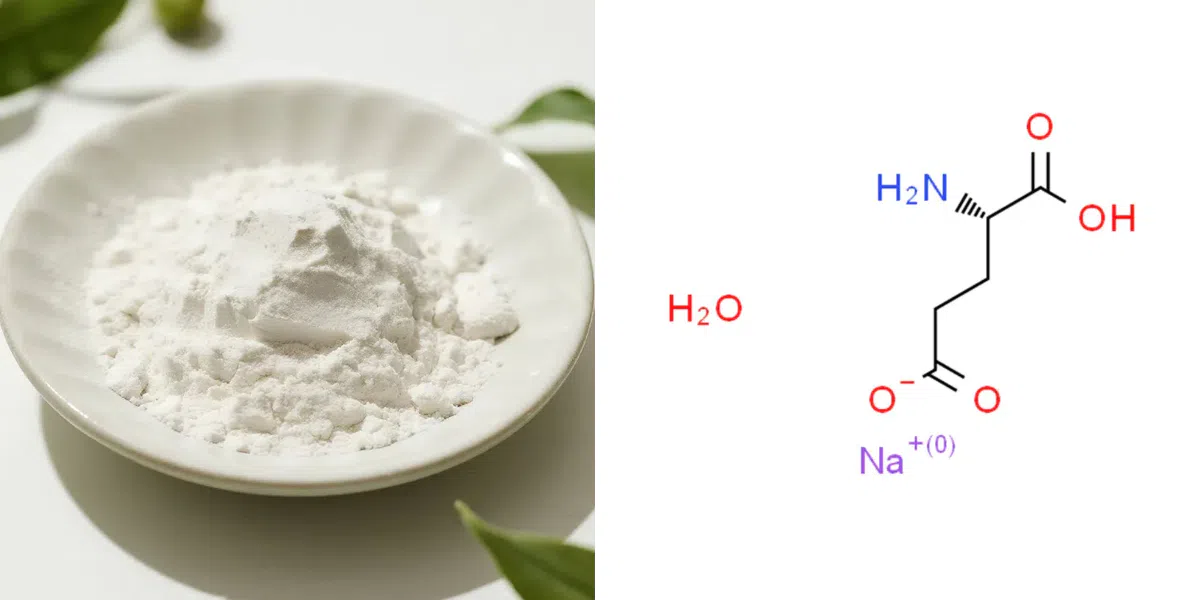
L-Monosodium Glutamate Monohydrate, CAS 6106-04-3, is the monohydrate form of the sodium salt of L-glutamic acid. It is also known as L-Glutamic Acid Monosodium Salt Monohydrate or Monosodium L-Glutamate Monohydrate. The compound has the molecular formula C₅H₁₀NNaO₅ and a molecular weight of approximately 187.13 g/mol.
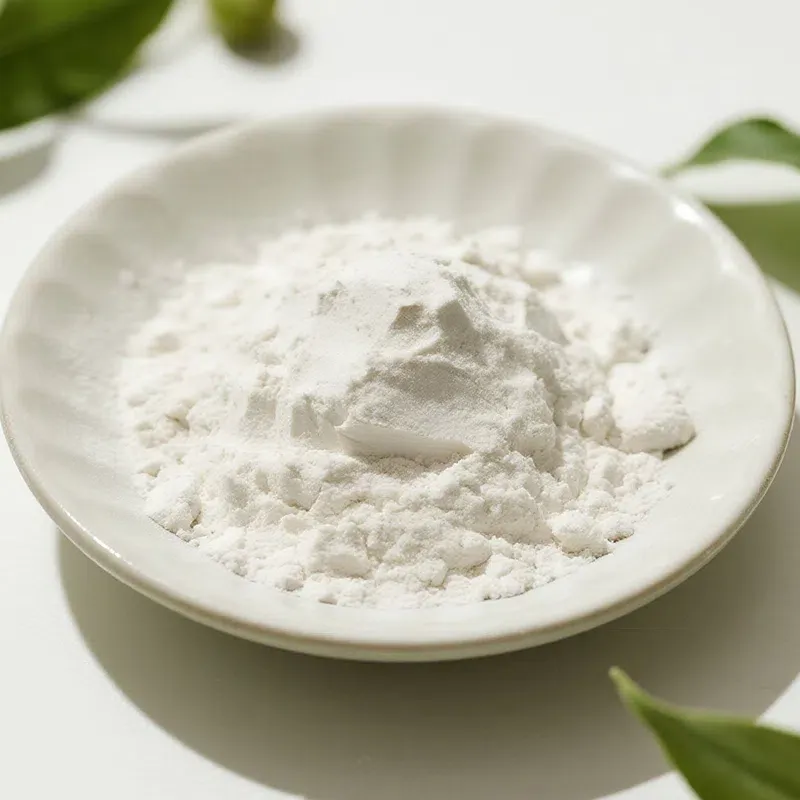
The material is typically supplied as white or nearly white crystals or crystalline powder. Its ionic character supports dissolution in water, making it suitable for applications where a glutamate salt needs to be incorporated into an aqueous mixture. Actual dissolution behavior can depend on temperature, concentration, particle characteristics, and the composition of the surrounding system.
In food-related applications, monosodium glutamate is associated with umami taste and may be used as a flavor-enhancing ingredient when permitted by the applicable regulations and supported by the required food-grade specification. The monohydrate designation is important for purchasing and formulation calculations because the water of crystallization affects the molecular weight compared with the anhydrous form.
For procurement, buyers should confirm the CAS number, hydration state, assay, moisture or water content, impurity limits, and intended-use grade. Food applications require appropriate food-grade documentation and compliance with destination-market requirements. Laboratory and other technical uses may require different specifications. The product's identity and quality should be confirmed using the supplier's current technical data sheet and certificate of analysis.
Chemical Properties
| Property | Details |
|---|---|
| Product Name | L-Monosodium Glutamate Monohydrate |
| CAS Number | 6106-04-3 |
| Synonyms | Monosodium L-Glutamate Monohydrate; L-Glutamic Acid Monosodium Salt Monohydrate; Sodium L-Glutamate Monohydrate |
| Molecular Formula | C₅H₁₀NNaO₅ |
| Molecular Weight | Approximately 187.13 g/mol |
| Chemical Class | Amino acid sodium salt; monohydrate |
| Parent Acid | L-Glutamic Acid |
| Appearance | White or nearly white crystals or crystalline powder |
| Water Solubility | Soluble in water; verify quantitative solubility under the intended conditions |
| Melting Behavior | Decomposition may occur at elevated temperature; reported values depend on test conditions |
| Functional Groups | Amino group and carboxylate/carboxylic acid functionality |
| Hydration State | Monohydrate |
| Storage Recommendation | Keep in a tightly closed container in a cool, dry place, following the product-specific SDS and supplier instructions |
Technical note: The values above are general identification references. Actual appearance, assay, moisture, impurity profile, solubility, and thermal behavior should be confirmed against the applicable product specification and batch documentation.
Product Applications
1. Food Flavor Formulation
Food-grade material may be used as a flavor-enhancing ingredient to contribute umami character to compatible food formulations. Use levels, permitted applications, labeling, and regulatory compliance must be assessed for the destination market.
2. Seasoning and Savory Ingredient Blends
Where the applicable grade and regulations allow, the ingredient can be incorporated into seasoning systems, savory mixes, and other formulations designed to develop or balance flavor. Compatibility and sensory performance should be evaluated in the finished formulation.
3. Aqueous Formulation Development
Its water solubility supports evaluation in water-based mixtures containing compatible ingredients. Formulators should assess concentration, pH, ionic strength, processing temperature, and storage stability under actual operating conditions.
4. Laboratory and Analytical Research
The defined chemical identity makes the compound useful in laboratory work involving glutamate salts, amino acid chemistry, and related analytical studies. The required purity and documentation depend on the experimental method.
5. Raw Material Quality-Control Testing
The material may serve as a test or reference material in suitable procedures involving identity, assay, or other relevant quality attributes, provided its grade and certification meet the method's requirements.

FAQ
Q1: What is L-Monosodium Glutamate Monohydrate?
It is the monohydrate form of the sodium salt of L-glutamic acid. Its CAS number is 6106-04-3.
Q2: What is the molecular formula and molecular weight?
The molecular formula is C₅H₁₀NNaO₅, and the molecular weight is approximately 187.13 g/mol.
Q3: Is this product the same as anhydrous monosodium glutamate?
No. The monohydrate contains one molecule of water of crystallization per formula unit, so its formula and molecular weight differ from those of the anhydrous form. Buyers should verify the hydration state before ordering.
Q4: What does the product look like?
It is generally described as white or nearly white crystals or crystalline powder. The actual appearance may vary within the supplier's approved specification.
Q5: Is it soluble in water?
Yes, it is soluble in water. For a specific process, the required concentration and dissolution conditions should be validated experimentally.
Q6: Can it be used in food products?
Food use depends on the supplied grade, applicable regulations, permitted applications, and required quality documentation. Buyers should confirm that the material meets the relevant food-grade requirements before use.
Q7: What should buyers confirm before purchase?
Verify CAS 6106-04-3, the monohydrate form, assay, water content, impurity limits, intended-use grade, packaging, and availability of a current certificate of analysis and safety data sheet.


