

Product Description
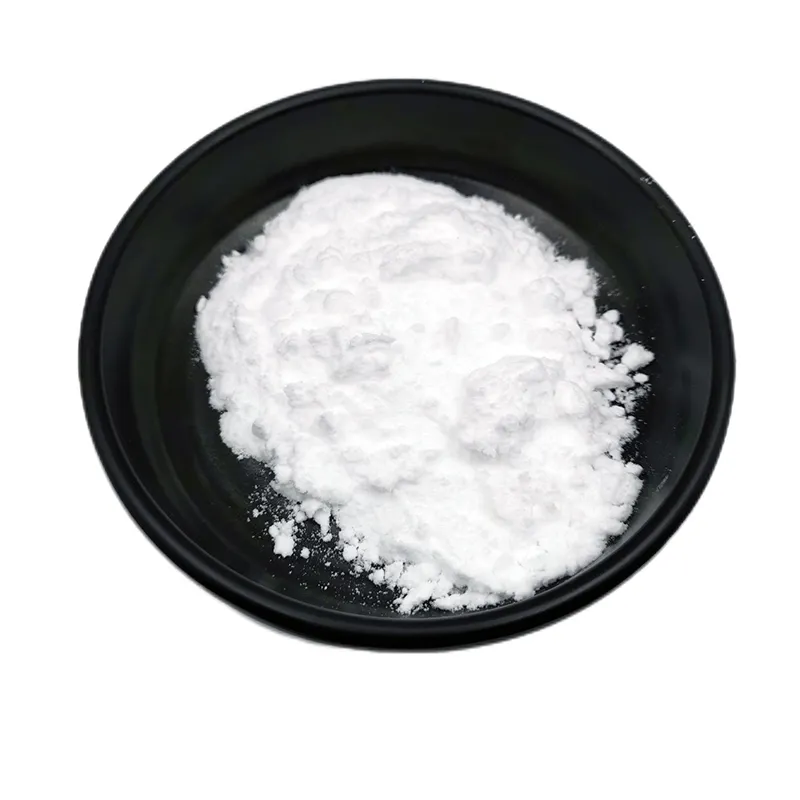
Maltodextrin is a starch-derived carbohydrate material produced through the partial hydrolysis of starch. It consists of glucose units linked primarily through α-(1→4) glycosidic bonds, with chain length and branching varying according to the raw material and manufacturing process. Unlike a single small-molecule compound, Maltodextrin contains a distribution of carbohydrate chains, so its molecular weight is not represented by one fixed value.
The material is commonly supplied as a white powder and is generally characterized by a mild taste and good water dispersibility or solubility, depending on grade and processing conditions. Its dextrose equivalent (DE) is an important specification because it reflects the extent of starch hydrolysis and is associated with functional differences such as sweetness, hygroscopicity, and solution behavior. Many conventional maltodextrin specifications use a DE below 20, but the actual value should be confirmed from the product's technical documentation.
In food formulation, Maltodextrin may serve as a bulking agent, carrier, texturizer, or formulation aid. It can help distribute flavor ingredients, support powder blending, contribute body to beverages and sauces, and influence the mouthfeel of selected products. Its performance depends on concentration, DE value, processing conditions, and the characteristics of the other ingredients in the formulation.
Maltodextrin can be manufactured from different starch sources, including corn, potato, and rice. Source, processing method, and purification influence the material's specifications and suitability for particular applications. Buyers should confirm the declared starch source, DE value, moisture content, assay or carbohydrate specification, microbiological limits, and any allergen or dietary documentation required for the intended market.
Chemical Properties
| Property | Description |
|---|---|
| Product Name | Maltodextrin |
| CAS Number | 9050-36-6 |
| Chemical Class | Starch-derived carbohydrate polymer mixture |
| Common Name | Maltodextrin |
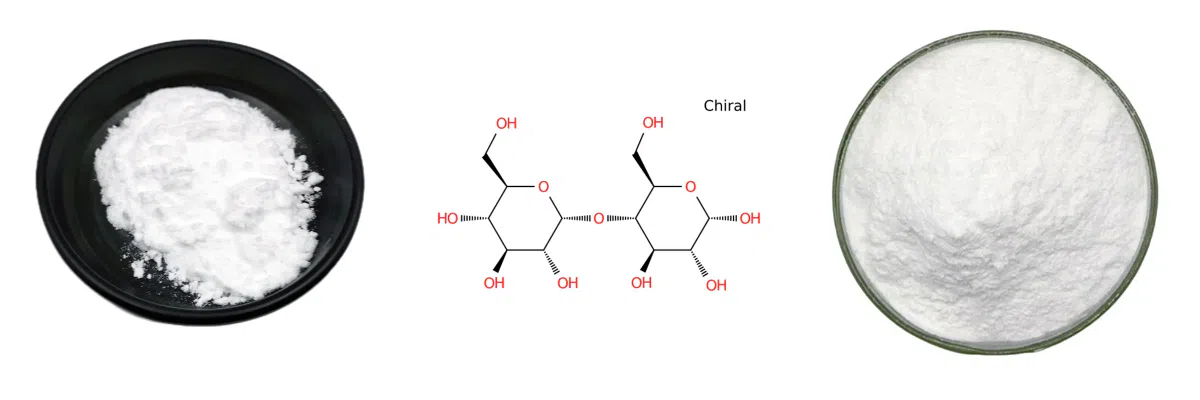
| Molecular Formula | Commonly represented as (C₆H₁₀O₅)ₙ |
| Molecular Weight | Variable; depends on the distribution of carbohydrate chain lengths |
| Structural Units | D-Glucose units |
| Main Glycosidic Linkage | Primarily α-(1→4); branching may also be present |
| Dextrose Equivalent (DE) | Commonly below 20 for conventional maltodextrin; verify the supplied grade |
| Appearance | Typically white powder or granules; concentrated solutions may also be supplied |
| Odor | Generally neutral or nearly odorless |
| Taste | Usually mild, with sweetness depending partly on DE value |
| Water Behavior | Generally readily dispersible or soluble in water; performance depends on grade and conditions |
| Solubility in Alcohol | Generally limited in high-concentration alcohol systems |
| Hygroscopicity | Varies with DE value, moisture content, and storage conditions |
| Source Materials | May be derived from corn, potato, rice, or other suitable starch sources |
| Main Application Areas | Food formulation, powder carriers, texture modification, and selected non-food formulations |
| Key Quality Parameters | DE value, moisture, carbohydrate profile, starch source, microbiological quality, and relevant impurity limits |
| Storage | Keep sealed in a cool, dry place and protect from moisture, contamination, and strong odors |
Product Applications
1. Powdered Food and Beverage Formulations
Maltodextrin can be used as a carrier or bulking ingredient in selected powdered beverages and dry food mixes. Its suitability depends on the desired powder flow, dissolution behavior, moisture control, and compatibility with other ingredients.
2. Flavor and Ingredient Carriers
In suitable formulations, Maltodextrin can help distribute selected flavoring materials and other ingredients through a dry matrix. The choice of DE value and processing method should reflect the characteristics of the carried ingredient and the required storage stability.
3. Texture and Mouthfeel Adjustment
Maltodextrin can contribute body and mouthfeel in products such as sauces, soups, desserts, and beverage mixes. The effect varies with concentration, grade, and the formulation's overall solids content, so practical testing is needed to establish the required addition level.
4. Bakery and Confectionery Products
Selected grades may be evaluated in bakery mixes, confectionery, and other formulated foods to contribute bulk or modify texture. Formulators should assess moisture behavior, processing tolerance, sweetness contribution, and the impact on the finished product's shelf life.
5. Encapsulation and Drying Processes
Maltodextrin may be used as a carrier material in selected encapsulation and drying applications, including processes designed to convert liquid ingredients into powders. Performance depends on the ingredient being carried, DE value, solids concentration, and drying conditions.
6. Nutritional and Energy Formulations
Because Maltodextrin is a digestible carbohydrate, suitable grades may be incorporated into nutritional products where a carbohydrate source is required. The intended use, composition, labeling, and regulatory requirements must be reviewed for the destination market.
7. Pharmaceutical and Personal Care Formulations
Certain grades may be evaluated as formulation aids or carriers in selected pharmaceutical or personal care applications. The material must meet the relevant grade specifications and applicable requirements for the finished product; food-grade status alone does not establish suitability for pharmaceutical use.
8. Industrial and Technical Formulations
Depending on grade and process compatibility, Maltodextrin may be considered for selected technical applications requiring a starch-derived carbohydrate carrier or binder. Suitability should be established through testing of moisture sensitivity, bonding behavior, processing conditions, and final-product performance.

FAQ
1. What is Maltodextrin?
Maltodextrin is a carbohydrate material produced by partially hydrolyzing starch. It consists of glucose units arranged in chains of varying lengths and is commonly supplied as a white powder.
2. What is the CAS number of Maltodextrin?
The CAS number is 9050-36-6. Its polymeric composition is commonly represented by the formula (C₆H₁₀O₅)ₙ.
3. Does Maltodextrin have a fixed molecular weight?
No. Maltodextrin contains carbohydrate chains of different lengths, so its molecular weight varies with the chain-length distribution and the characteristics of the grade. A single small-molecule molecular weight should not be assigned to the product as a whole.
4. What does the DE value mean?
Dextrose equivalent (DE) indicates the reducing-sugar content of a starch hydrolysate expressed relative to dextrose on a dry basis. It is a useful specification for comparing grades, as it is associated with differences in sweetness, moisture interaction, and other functional properties.
5. Is Maltodextrin soluble in water?
Maltodextrin is generally readily dispersible or soluble in water, although the rate and behavior depend on grade, temperature, concentration, and processing conditions.
6. What starch sources can be used to produce Maltodextrin?
Maltodextrin can be produced from suitable starch sources such as corn, potato, and rice. The actual source should be confirmed from the supplier's product specification and supporting documentation.
7. What should buyers confirm before ordering Maltodextrin?
Confirm the DE value, starch source, moisture content, appearance, microbiological specifications, packaging, and intended-use grade. For food, nutritional, pharmaceutical, or personal care applications, verify the relevant documentation and regulatory suitability for the destination market.


