

Product Description
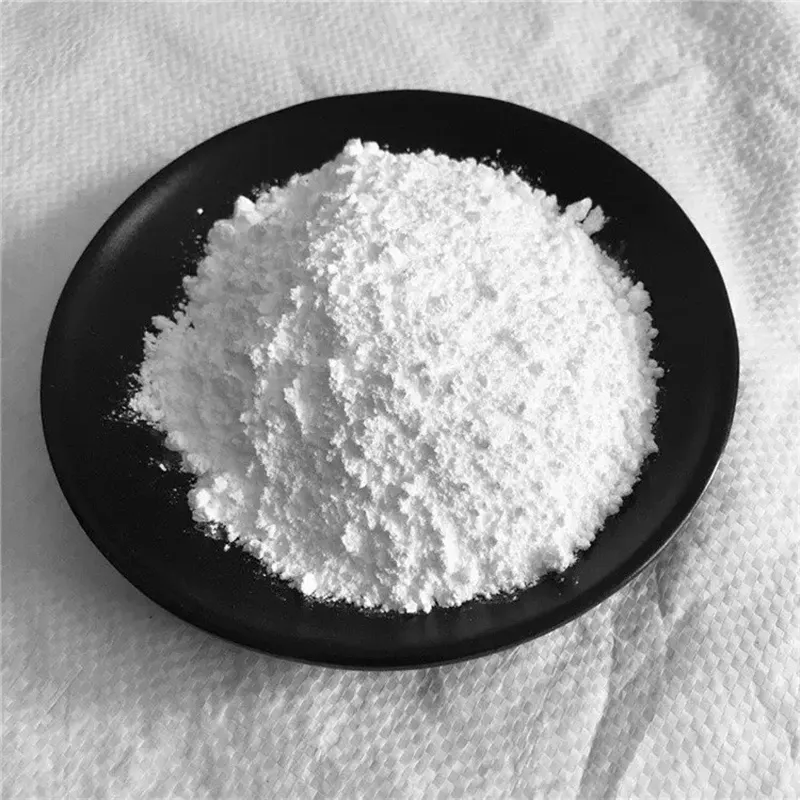
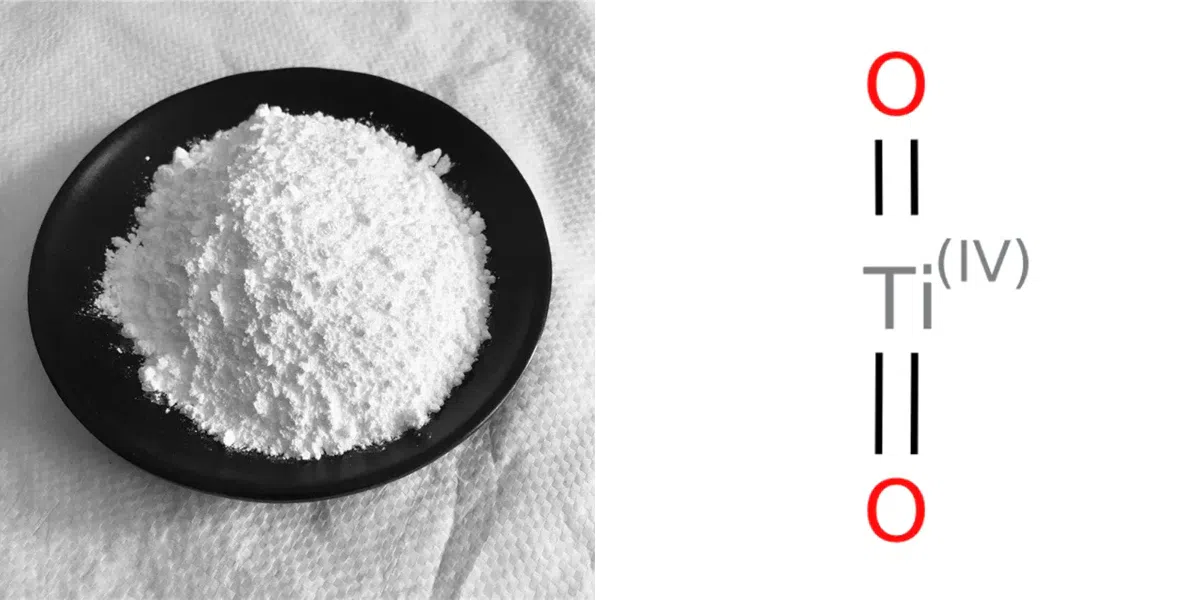
Titanium Dioxide, CAS 13463-67-7, is an inorganic compound composed of titanium and oxygen, with the chemical formula TiO₂. It is commonly supplied as a white powder and is valued for its ability to scatter visible light, helping produce white coloration, opacity, and brightness in formulated materials. Its performance is influenced by both the properties of the powder and the way it is incorporated into the finished product.
Titanium Dioxide occurs in several crystalline forms, including rutile, anatase, and brookite. Rutile and anatase are the most commonly encountered forms in commercial applications. Their optical behavior, surface characteristics, and suitability for particular processes can differ, so the crystal form should be confirmed when it is important to the intended use.
In industrial formulations, Titanium Dioxide is commonly evaluated for paints and coatings, plastics, paper, printing materials, construction products, and selected personal care formulations. Depending on the grade, it may contribute to hiding power, whiteness, brightness, and resistance to visual changes during service. Surface-treated grades may be designed to improve dispersion or compatibility with specific formulation systems.
The designation Titanium Dioxide alone does not define a complete commercial specification. Particle size, particle-size distribution, crystal structure, surface treatment, purity, and residual impurities may vary among grades. Buyers should therefore compare the technical specification with the requirements of the target process instead of relying on the chemical name alone.
For applications involving food, medicines, cosmetics, or other regulated products, the material must meet the applicable grade requirements and legal conditions in the destination market. Industrial pigment grade should not automatically be assumed suitable for these uses.
Chemical Properties
| Property | Description |
|---|---|
| Product Name | Titanium Dioxide |
| CAS Number | 13463-67-7 |
| Chemical Name | Titanium(IV) Oxide |
| Common Synonyms | Titania; Titanium White |
| Molecular Formula | TiO₂ |
| Molecular Weight | 79.87 g/mol |
| Chemical Class | Inorganic metal oxide |
| Oxidation State of Titanium | +4 |
| Crystal Forms | Rutile, anatase, and brookite |
| Appearance | Typically a white powder |
| Odor | Odorless |
| Water Solubility | Practically insoluble in water |
| Thermal Behavior | High thermal stability; specific behavior depends on grade and test conditions |
| Optical Characteristics | Strong visible-light scattering; opacity and brightness depend on particle and grade characteristics |
| Surface Characteristics | May be untreated or surface-treated, depending on grade |
| Main Application Areas | Coatings, plastics, paper, construction materials, printing materials, and selected personal care formulations |
| Key Quality Parameters | TiO₂ content, crystal form, particle-size distribution, surface treatment, moisture, and impurity profile |
| Storage | Keep in a closed container in a dry area and protect the powder from moisture and contamination; follow product-specific safety documentation |
Product Applications
1. Paints and Protective Coatings
Titanium Dioxide is used in many coating formulations to provide white color, opacity, and brightness. The selected grade should be compatible with the binder and dispersion process, while its particle characteristics and surface treatment should suit the required coating performance.
2. Architectural and Decorative Coatings
In decorative coatings, Titanium Dioxide can help achieve a consistent white appearance and contribute to hiding power. Grade selection should consider the coating system, desired finish, dispersion quality, and expected service conditions.
3. Plastics and Polymer Compounds
Titanium Dioxide may be incorporated into plastic materials to provide white coloration and opacity. Its suitability depends on polymer type, processing temperature, dispersion requirements, and the effect of the selected grade on the finished material's appearance and mechanical properties.
4. Paper and Paper Coating
In paper-related applications, Titanium Dioxide can be used where increased whiteness, brightness, or opacity is required. The choice of grade depends on the paper process, coating formulation, loading level, and required optical properties.
5. Construction Materials
Selected grades can be evaluated in cement-based products, architectural finishes, decorative concrete, and other construction materials requiring white or light-colored surfaces. Compatibility with the mineral matrix, dispersion during mixing, and the intended surface appearance should be assessed before full-scale use.
6. Printing Inks and Color Formulations
Titanium Dioxide may be used as a white pigment in suitable printing inks and color formulations. Formulators should evaluate pigment dispersion, viscosity, coverage, and compatibility with the ink vehicle and printing process.
7. Personal Care Formulations
Certain appropriately specified grades may be used in selected personal care products where permitted by applicable regulations. The grade, particle characteristics, surface treatment, purity, and intended exposure route must be suitable for the specific application.
8. Photocatalytic and Materials Research
Selected Titanium Dioxide materials, particularly grades with specified crystal forms and particle characteristics, are investigated in photocatalysis and functional-material research. Performance depends on factors such as crystal structure, surface area, particle size, surface modification, and experimental conditions; ordinary pigment grade should not automatically be assumed to have a particular photocatalytic performance.
FAQ
1. What is Titanium Dioxide?
Titanium Dioxide is an inorganic oxide with the formula TiO₂ and CAS number 13463-67-7. It is commonly supplied as a white powder and widely used in applications requiring white coloration or opacity.
2. What is the molecular weight of Titanium Dioxide?
The molecular weight is approximately 79.87 g/mol.
3. What is the difference between rutile and anatase Titanium Dioxide?
Rutile and anatase are different crystalline forms of TiO₂. They differ in crystal structure and may exhibit different optical, surface, and functional characteristics. The appropriate form depends on the intended application and required performance.
4. Is Titanium Dioxide soluble in water?
Titanium Dioxide is practically insoluble in water. Its dispersion in a formulation is different from true dissolution and depends on particle properties, surface treatment, and processing conditions.
5. Can Titanium Dioxide be used in food, pharmaceutical, or cosmetic products?
Only when the supplied grade and intended use meet the applicable requirements in the destination market. Regulatory conditions differ by jurisdiction and application, so buyers should verify current requirements and supporting documentation before use.
6. What information should be checked before purchasing Titanium Dioxide?
Confirm the CAS number, TiO₂ content, crystal form, particle-size distribution, surface treatment, impurity limits, packaging, and application-specific performance data. If the material is intended for a regulated application, also verify that its grade and documentation meet the relevant requirements.
7. How should Titanium Dioxide be stored and handled?
Store it in a tightly closed container in a dry environment and prevent contamination. Avoid generating or inhaling dust, use appropriate workplace controls, and follow the safety data sheet for the specific grade.


