

Product Description
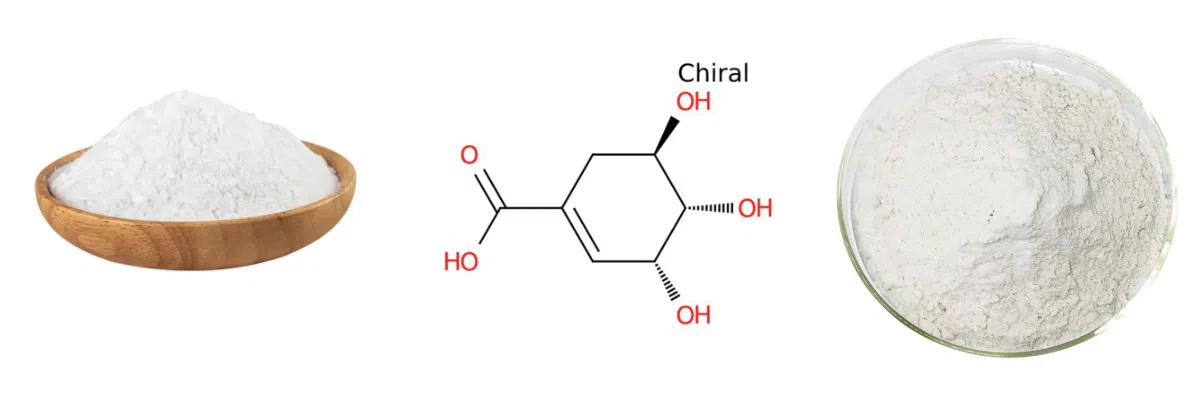
Shikimic Acid, CAS 138-59-0, is a naturally occurring organic acid recognized for its role in the shikimate pathway. Its molecular structure contains a cyclohexene ring, three hydroxyl groups, and one carboxylic acid group. This combination of structural features makes it useful in biochemical investigations and research into the synthesis of structurally complex organic compounds.
The compound has the molecular formula C₇H₁₀O₅ and a molecular weight of approximately 174.15 g/mol. The specified stereochemistry is important when identifying the material, particularly in research where molecular configuration affects reaction behavior or biological pathways. Buyers should confirm that the supplied material corresponds to the intended stereochemical form rather than relying on the product name alone.
In laboratory research, Shikimic Acid can serve as a reference substance or starting material for selected studies involving metabolic pathways, organic reaction development, and the preparation of related compounds. Its use in a particular synthesis depends on the reaction design, required purity, solvent system, and processing conditions.
Shikimic Acid is associated with plant-derived materials, but commercial material may be obtained through different production and purification routes. A product's botanical origin should therefore not be assumed without supporting documentation. For applications requiring defined composition, the assay, impurity profile, water content, and analytical identification should be reviewed before use.
Chemical Properties
| Property | Description |
|---|---|
| Product Name | Shikimic Acid |
| CAS Number | 138-59-0 |
| Chemical Name | (3R,4S,5R)-3,4,5-Trihydroxycyclohex-1-ene-1-carboxylic acid |
| Common Synonym | L-Shikimic Acid |
| Molecular Formula | C₇H₁₀O₅ |
| Molecular Weight | 174.15 g/mol |
| Chemical Class | Unsaturated polyhydroxy carboxylic acid |
| Functional Groups | Three hydroxyl groups, one carboxylic acid group, and one carbon-carbon double bond |
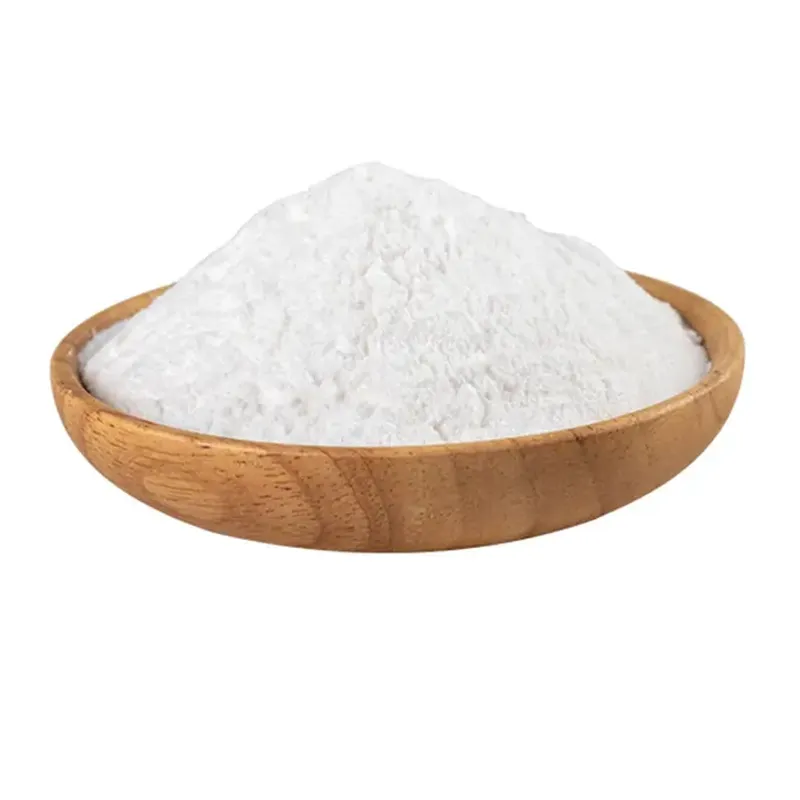
| Physical Appearance | Typically white to off-white crystalline powder |
| Melting Point | Approximately 185–187°C; confirm using the specified test method |
| Water Solubility | Soluble in water; actual dissolution behavior depends on temperature and test conditions |
| Stereochemistry | Defined stereochemical configuration; verify against the product specification |
| Natural Occurrence | Found in certain plants and other biological systems |
| Main Application Areas | Biochemical research, organic synthesis, analytical studies, and investigation of metabolic pathways |
| Quality Parameters | Assay, identity, stereochemical specification, moisture, residual impurities, and appearance |
| Storage | Store in a tightly closed container under the conditions specified in the product-specific technical and safety documentation |
Product Applications
1. Shikimate Pathway Research
Shikimic Acid is directly relevant to investigations of the shikimate pathway, a biochemical route involved in the formation of aromatic amino acids in plants and microorganisms. Researchers may use it to examine pathway intermediates, metabolic relationships, and associated biochemical processes.
2. Organic Synthesis Development
The hydroxyl and carboxylic acid groups provide several potential sites for chemical transformation. Shikimic Acid can be evaluated as a starting material in selected synthetic routes, with reaction conditions determined by the target structure and required selectivity.
3. Preparation of Related Chemical Intermediates
In suitable research and manufacturing processes, Shikimic Acid may be used to investigate the preparation of structurally related intermediates. The choice of reaction route depends on stereochemical requirements, functional-group compatibility, yield targets, and impurity control.
4. Analytical Chemistry and Reference Testing
A well-characterized grade may be used in analytical method development, identity confirmation, and comparative testing. Researchers should select reference material with documentation appropriate to the analytical method and the level of accuracy required.
5. Plant Biochemistry Studies
Because Shikimic Acid occurs in biological systems, it can be relevant to research examining plant metabolism and the distribution of pathway-related compounds. The interpretation of experimental results should account for sample preparation, analytical conditions, and the specific biological system under investigation.
6. Biochemical Process Research
Shikimic Acid may be evaluated in studies examining biochemical production routes, pathway engineering, or the behavior of pathway-related compounds under controlled experimental conditions. Such work requires appropriate analytical monitoring and a clear distinction between research findings and established production performance.
7. Specialty Intermediate Evaluation
For projects requiring a multifunctional organic starting material, Shikimic Acid may be screened for compatibility with selected reaction systems. Suitability should be determined through laboratory trials and confirmation of purity, stereochemical identity, and process-specific quality requirements.

FAQ
1. What is Shikimic Acid?
Shikimic Acid is an organic acid found in certain biological systems and associated with the shikimate pathway. It contains three hydroxyl groups, a carboxylic acid group, and an unsaturated ring.
2. What are the CAS number and molecular formula of Shikimic Acid?
The CAS number is 138-59-0, and the molecular formula is C₇H₁₀O₅. Its molecular weight is approximately 174.15 g/mol.
3. Is Shikimic Acid the same as Shikimate?
Not always. Shikimic Acid refers to the protonated acid, while shikimate commonly refers to its deprotonated form or to salts containing the shikimate anion. The precise chemical form should be confirmed before purchasing.
4. What are the main uses of Shikimic Acid?
Its main research applications include biochemical pathway studies, organic synthesis, analytical method development, and investigation of plant metabolism. Specific suitability depends on the grade and experimental requirements.
5. Is Shikimic Acid water-soluble?
Shikimic Acid is soluble in water. The observed dissolution rate and solubility can vary with temperature, concentration, and test conditions.
6. Does the product necessarily come from plants?
No. Although Shikimic Acid occurs naturally in plants, commercial material may be produced or purified through different routes. Confirm the actual source with the relevant product documentation if origin is important to the application.
7. What should buyers check before ordering?
Confirm the CAS number, chemical form, stereochemical identity, assay, moisture content, impurity profile, packaging, storage conditions, and available analytical documentation. For research or synthesis work, also verify that the grade meets the requirements of the planned procedure.


