

Product Description
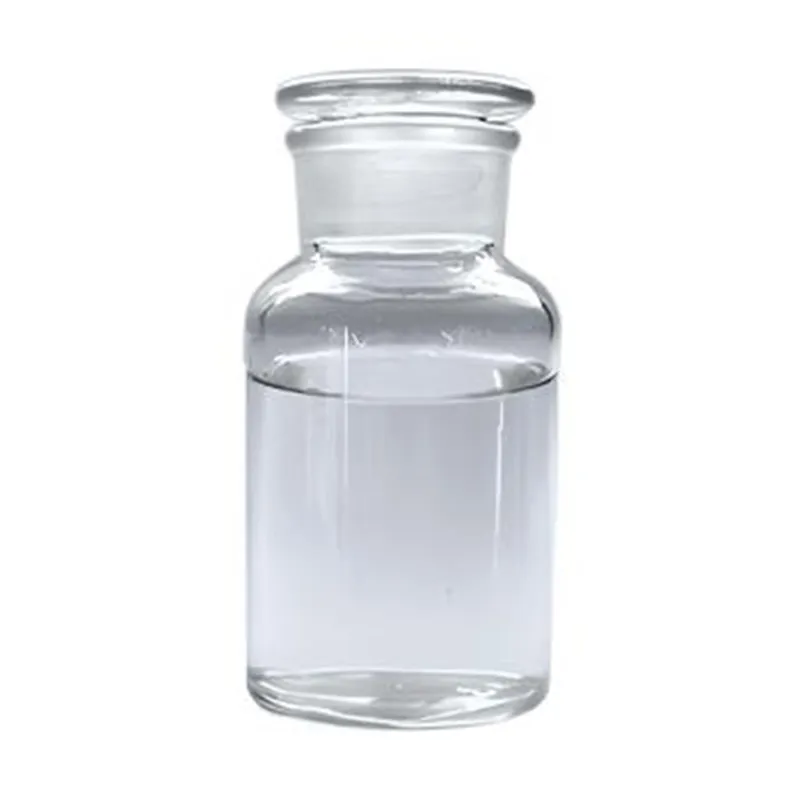
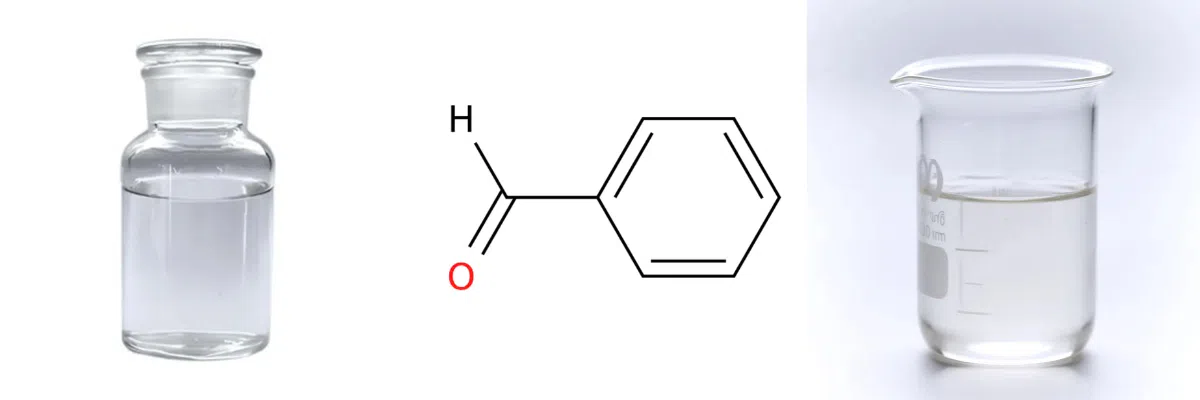
Benzaldehyde is an aromatic aldehyde with the chemical formula C₆H₅CHO. It typically appears as a clear, colorless to pale yellow liquid and is recognized for its characteristic almond-like odor. Its molecular structure consists of a benzene ring attached to an aldehyde group, a combination that contributes to its distinctive chemical reactivity and aromatic profile.
In fragrance development, Benzaldehyde can provide a pronounced almond-like nuance and help shape the character of selected compositions. In flavor-related formulation, its suitability depends on the grade, intended concentration, product category, and applicable requirements in the destination market. Its characteristic odor is a useful sensory feature, but it should not be treated as evidence that a particular material is naturally derived.
Beyond aroma applications, Benzaldehyde serves as a chemical intermediate in selected organic synthesis routes. The aldehyde group can participate in reactions used to prepare other organic compounds, making the material relevant to process chemistry and laboratory research. The appropriate handling and reaction conditions depend on the specific synthesis and its associated safety assessment.
Benzaldehyde can oxidize during exposure to air, potentially forming benzoic acid and affecting product quality over time. Storage conditions, container closure, exposure history, and the material's initial specifications should therefore be considered when maintaining consistent performance. Buyers should select a grade according to its intended use and confirm identity, assay, impurity limits, and supporting technical documentation before use.
Chemical Properties
| Property | Description |
|---|---|
| Product Name | Benzaldehyde |
| CAS Number | 100-52-7 |
| IUPAC Name | Benzaldehyde |
| Common Synonyms | Benzoic Aldehyde; Phenylmethanal; Benzenecarbaldehyde |
| Molecular Formula | C₇H₆O |
| Structural Formula | C₆H₅CHO |
| Molecular Weight | 106.12 g/mol |
| Chemical Class | Aromatic aldehyde |
| Functional Group | Aldehyde group (-CHO) |
| Appearance | Clear, colorless to pale yellow liquid |
| Odor | Characteristic almond-like odor |
| Density | Approximately 1.04–1.05 g/cm³ at around 20°C |
| Boiling Point | Approximately 178–179°C at atmospheric pressure |
| Melting Point | Approximately -26°C |
| Refractive Index | Approximately 1.545–1.546 at 20°C |
| Water Solubility | Limited; temperature and test conditions affect reported values |
| Solubility in Organic Solvents | Generally compatible with many common organic solvents; verify for the intended formulation |
| Chemical Stability | May oxidize on exposure to air, forming benzoic acid |
| Main Application Areas | Fragrance, suitable flavor-related formulations, organic synthesis, and chemical research |
| Quality Parameters | Identity, assay, appearance, impurity profile, and application-specific requirements |
| Storage | Keep in a tightly closed, compatible container under the conditions specified in the product's safety documentation |
Product Applications
1. Fragrance and Perfume Formulation
Benzaldehyde can contribute an almond-like aromatic note to selected fragrance compositions. It may be used to develop distinctive accords or add contrast to more complex scent profiles. Formulators should evaluate dosage, odor balance, and compatibility with the complete fragrance system.
2. Flavor-Related Formulations
A suitable, documented grade may be considered for flavor applications where Benzaldehyde is permitted for the intended use. Its characteristic aroma can be relevant to almond-like and other selected flavor profiles. Regulatory status, purity requirements, and allowable use conditions must be confirmed for the target market before formulation.
3. Organic Synthesis Intermediate
The aldehyde functionality makes Benzaldehyde useful as a starting material in selected organic synthesis processes. Depending on the reaction pathway, it can participate in transformations used to prepare intermediates for specialty chemicals and other organic compounds.
4. Chemical Research and Laboratory Work
Benzaldehyde may be used in laboratory studies involving aromatic aldehyde reactivity, carbonyl chemistry, and reaction development. Researchers should select a grade that meets their analytical or experimental requirements and follow the relevant laboratory safety procedures.
5. Specialty Chemical Manufacturing
In suitable industrial processes, Benzaldehyde can serve as a feedstock for the preparation of selected downstream organic materials. Its suitability depends on the synthesis route, impurity tolerance, process controls, and the quality specifications required by the finished product.
6. Aroma and Sensory Evaluation
Benzaldehyde can be included in controlled sensory evaluations to study almond-like odor characteristics and the influence of concentration on an aromatic blend. Testing should use appropriate dilution, suitable handling controls, and a formulation context relevant to the intended application.
7. Analytical Method Development
A properly characterized Benzaldehyde grade can support analytical work involving aromatic aldehydes, identity testing, and quality-control method development. The selected material should have documentation appropriate to the required analytical purpose.

FAQ
1. What is Benzaldehyde?
Benzaldehyde is an aromatic aldehyde with the molecular formula C₇H₆O. It is commonly recognized as a colorless to pale yellow liquid with a characteristic almond-like odor.
2. What is the CAS number of Benzaldehyde?
The CAS number is 100-52-7. Its molecular weight is approximately 106.12 g/mol.
3. Is Benzaldehyde the same as natural bitter almond oil?
No. Benzaldehyde is a defined chemical compound, whereas natural bitter almond oil is a source-derived material whose composition may include multiple constituents. The name or odor of Benzaldehyde alone does not establish natural origin.
4. What are the main uses of Benzaldehyde?
Its applications include fragrance formulation, suitable flavor-related uses, organic synthesis, chemical manufacturing, and laboratory research. The appropriate grade depends on the intended application.
5. Is Benzaldehyde soluble in water?
Benzaldehyde has limited water solubility and is generally more compatible with many organic solvents. Actual formulation behavior should be tested under the intended conditions.
6. What storage precautions are important for Benzaldehyde?
Benzaldehyde may oxidize when exposed to air. Keep the container tightly closed, minimize unnecessary exposure, and follow the product-specific safety data sheet for temperature, ventilation, segregation, and handling requirements.
7. What should be checked before purchasing Benzaldehyde?
Confirm the CAS number, assay, grade, impurity limits, appearance, packaging, storage requirements, and available quality documentation. For regulated fragrance or flavor-related uses, verify that the supplied grade is appropriate for the intended application and destination market.


