

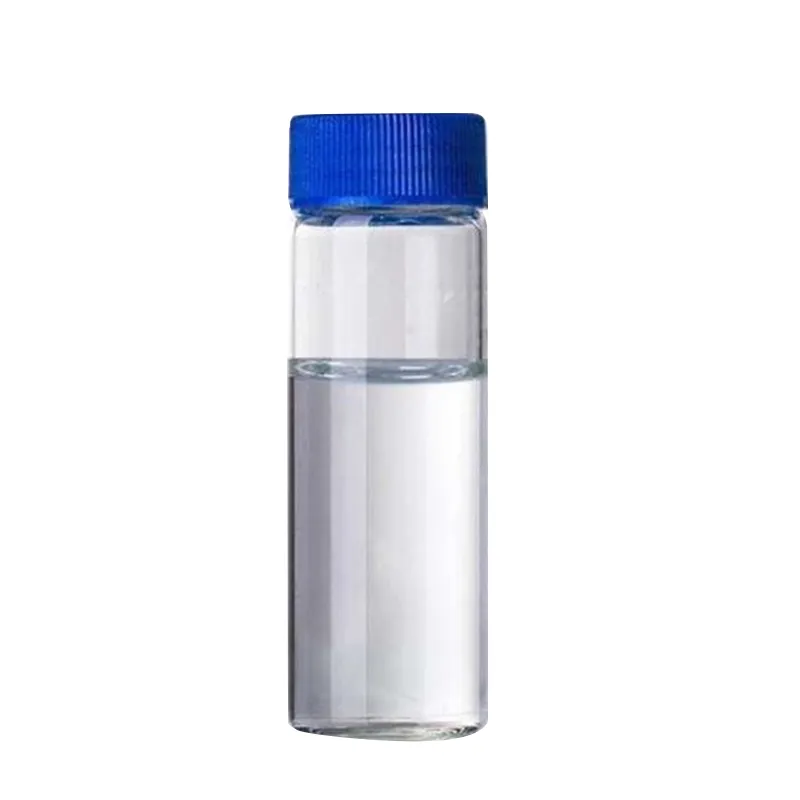
Product Description
Cis-3-Hexenyl Acetate, also known as (Z)-3-Hexenyl Acetate, is an unsaturated aliphatic ester characterized by a fresh green-leaf aroma. Its scent profile is often used to introduce a crisp, freshly cut vegetation impression into fragrance compositions. Compared with heavier or sweeter aromatic materials, its green character can help create a lighter and more naturalistic opening when balanced with other ingredients.
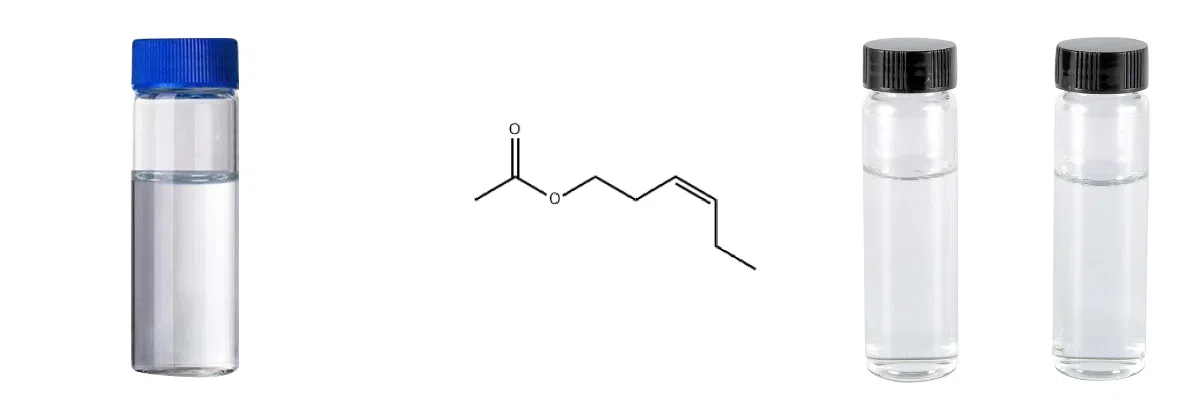
The compound has the molecular formula C₈H₁₄O₂ and a molecular weight of approximately 142.20 g/mol. Its structure contains a carbon-carbon double bond in the Z configuration and an acetate ester group. This configuration is an important part of the product's chemical identity, so purchasing specifications should distinguish it from materials whose double-bond geometry is different or unspecified.
In fragrance development, Cis-3-Hexenyl Acetate may be evaluated in green, floral, fruity, herbal, and fresh-air accords. Its final effect depends on dosage, the surrounding ingredients, the carrier system, and the intended product format. Small changes in concentration can influence the balance between a bright green impression and the overall character of a finished blend.
The material may also be considered for flavor-related applications when the supplied grade and intended use meet the applicable requirements of the destination market. Buyers should verify the product's grade, assay, sensory profile, relevant documentation, and suitability for the intended application before commercial use.
Chemical Properties
| Property | Description |
|---|---|
| Product Name | cis-3-Hexenyl Acetate |
| CAS Number | 3681-71-8 |
| IUPAC Name | [(Z)-hex-3-enyl] acetate |
| Common Synonym | (Z)-3-Hexenyl Acetate |
| Other Synonyms | cis-3-Hexen-1-yl Acetate; cis-3-Hexenyl Ethanoate |
| Molecular Formula | C₈H₁₄O₂ |
| Molecular Weight | 142.20 g/mol |
| Chemical Class | Unsaturated aliphatic ester |
| Functional Groups | Acetate ester and carbon-carbon double bond |
| Physical Appearance | Typically a colorless to pale yellow liquid; confirm against the supplied grade |
| Odor Profile | Fresh, green, leafy |
| Density | Approximately 0.896–0.901 under reported reference conditions; verify for the supplied grade |
| Refractive Index | Approximately 1.425–1.429 under reported reference conditions |
| Water Solubility | Limited; reported value is approximately 0.9 g/L at 20°C |
| Solubility in Ethanol | Reported to dissolve in 95% ethanol; confirm compatibility at the intended concentration |
| Main Application Areas | Fragrance formulation, aroma research, and suitable flavor-related applications |
| Quality Checks | Identity, assay, odor profile, appearance, and relevant impurity specifications |
| Storage | Keep in a tightly closed, compatible container under the conditions specified in the product's safety and technical documentation |
Product Applications
1. Fine Fragrance Formulation
Cis-3-Hexenyl Acetate can contribute a crisp green note to fine-fragrance compositions. It may be used to introduce a freshly cut leaf impression or to add contrast to floral and fruity accords. The appropriate dosage should be established through evaluation of the complete fragrance formula.
2. Green and Herbal Fragrance Accords
The compound is suitable for assessment in fragrance structures built around leafy, garden-like, botanical, or herbal themes. It can help give a blend a more immediate green character, particularly when balanced with ingredients that provide floral, woody, or earthy depth.
3. Personal Care Fragrance Systems
Where the grade is appropriate, Cis-3-Hexenyl Acetate may be evaluated in scented personal care formulations such as soaps, shampoos, and body-care products. Formulators should assess compatibility with the base, odor stability, and performance throughout the product's expected storage period.
4. Home and Household Fragrance Products
The material may be considered for selected household fragrance applications where a fresh green odor is desired. Suitability depends on the product format, fragrance dosage, exposure conditions, and applicable safety requirements for the finished product.
5. Flavor and Aroma Research
A suitable grade may be evaluated in flavor and aroma development, including studies of green-fruity sensory characteristics. Use in food or flavor products must be supported by the appropriate grade documentation and confirmation that the substance is permitted for the intended use and market.
6. Fragrance Ingredient Screening
During formulation development, Cis-3-Hexenyl Acetate can be screened alongside other aroma materials to assess odor impact, blending behavior, and concentration-dependent sensory changes. Controlled trials help establish whether it delivers the desired green note without overpowering the overall composition.
7. Analytical and Sensory Studies
The defined molecular identity of the compound makes it relevant to analytical identification and sensory research involving volatile aroma constituents. Researchers should record the material's grade, storage history, and test conditions when comparing results across samples.

FAQ
1. What is Cis-3-Hexenyl Acetate?
Cis-3-Hexenyl Acetate is an unsaturated ester with a characteristic fresh green-leaf odor. It is used primarily as an aroma ingredient in suitable fragrance and related formulations.
2. What is the CAS number of Cis-3-Hexenyl Acetate?
Its CAS number is 3681-71-8. The molecular formula is C₈H₁₄O₂, and the molecular weight is approximately 142.20 g/mol.
3. Is Cis-3-Hexenyl Acetate the same as 3-Hexenyl Acetate?
The unqualified name 3-Hexenyl Acetate does not explicitly specify the double-bond configuration. For purchasing and formulation purposes, use the full cis or (Z) designation when that configuration is required.
4. What does Cis-3-Hexenyl Acetate smell like?
It is commonly described as fresh, green, and leafy, with a character reminiscent of freshly cut vegetation. The perceived odor can vary with purity, concentration, and the surrounding formulation.
5. Is Cis-3-Hexenyl Acetate soluble in water?
It has limited water solubility. Its compatibility with ethanol, fragrance concentrates, and other formulation ingredients should be tested under the intended processing conditions.
6. Can it be used in food-related applications?
Only when the supplied grade and intended use meet the relevant regulatory and safety requirements in the target market. Confirm the applicable documentation and permitted use before incorporating it into a food or flavor product.
7. What should buyers confirm before ordering?
Confirm the CAS number, cis/(Z) configuration, assay, odor profile, appearance, packaging, storage conditions, and available quality documentation. If the material is intended for a regulated end use, verify that the grade is appropriate for that application.


