

Product Description
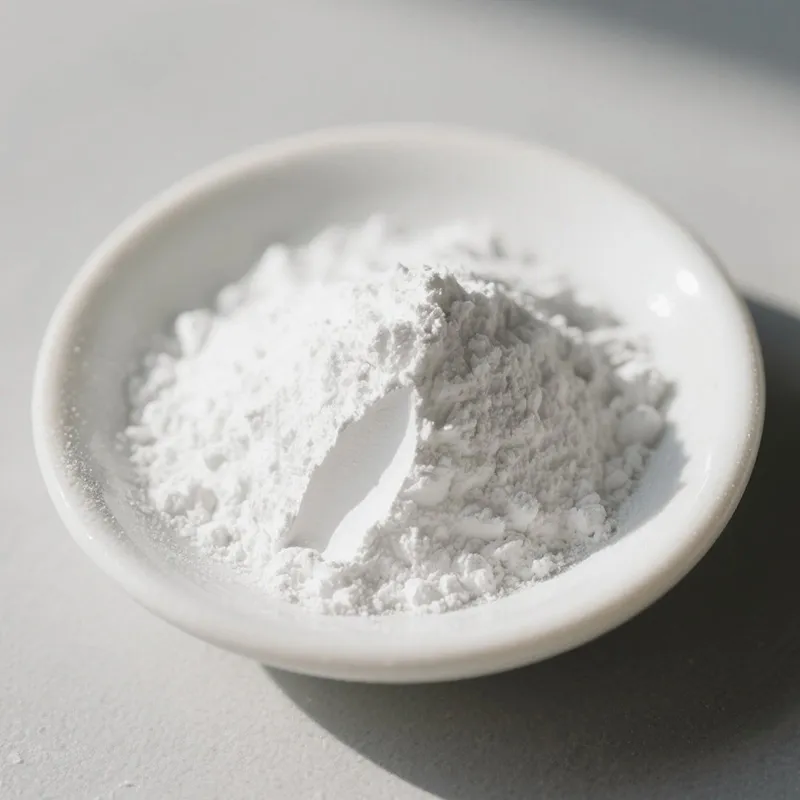
Logwood Extract (Haematein), CAS 475-25-2, is a specialized organic colorant associated with logwood-derived staining materials. Haematein is the oxidized form of haematoxylin and is valued for its role in dyeing and microscopic staining systems. It is chemically distinct from haematoxylin, although the two substances are closely related and may be used together in certain staining workflows.
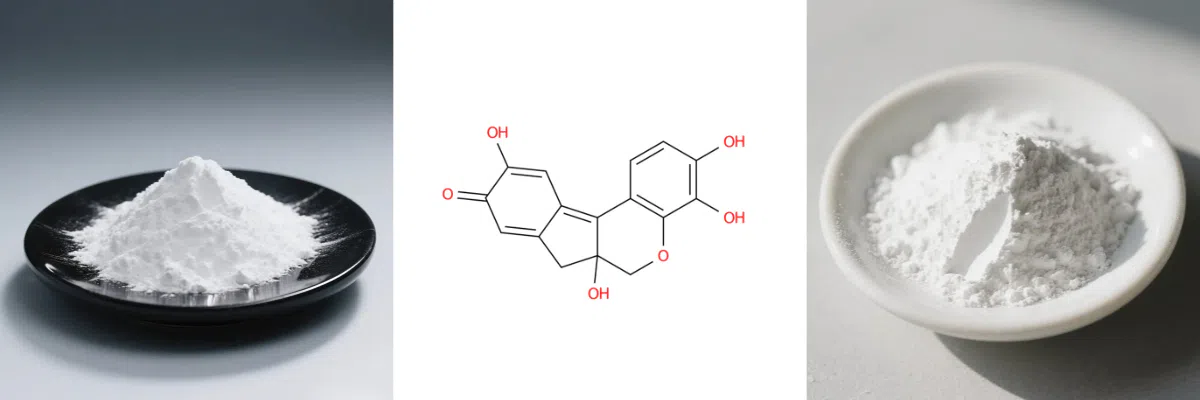
Haematein has the molecular formula C₁₆H₁₂O₆ and a molecular weight of approximately 300.26 g/mol. Its coloration and staining behavior depend on factors such as pH, the presence of suitable metal ions, solvent conditions, and the composition of the formulation. For this reason, the performance of a supplied material should be assessed under the conditions of the intended application rather than inferred from its name alone.
This product may be considered for specialized textile coloration, laboratory staining preparations, and research involving natural-origin colorants. The exact composition of a logwood extract can differ from that of isolated Haematein. Buyers should therefore confirm whether the supplied grade is a defined Haematein material or a logwood-derived extract, together with its assay, carrier or residual components, and applicable technical specifications.
Chemical Properties
| Property | Description |
|---|---|
| Product Name | Logwood Extract (Haematein) |
| Chemical Name | Haematein |
| CAS Number | 475-25-2 |
| Molecular Formula | C₁₆H₁₂O₆ |
| Molecular Weight | 300.26 g/mol |
| Related Name | Hematein |
| Chemical Class | Organic heterocyclic colorant compound |
| Origin | Associated with logwood-derived coloring materials |
| Appearance | Dark brown to reddish-brown crystalline or powdered material; actual appearance depends on grade |
| Water Solubility | Limited; reported values vary with test conditions and material form |
| Solvent Behavior | Solubility depends on the solvent and grade; confirm compatibility before formulation |
| Color Response | Depends on pH, metal-ion interactions, and staining conditions |
| Main Application Areas | Specialized dyeing, microscopy staining, and colorant research |
| Quality Parameters | Assay, identity, appearance, impurity profile, and application-specific performance |
| Storage | Follow the supplier's product-specific storage instructions and safety documentation |
Product Applications
1. Microscopic Tissue Staining
Haematein is relevant to laboratory staining systems used to improve contrast in biological specimens. Its performance depends on the complete staining formulation, including any mordant, pH adjustment, and differentiation steps. Suitability for diagnostic or routine laboratory use should be established for the specific grade and method.
2. Histological Staining Formulations
Haematein can be used as a component in specialized histological staining preparations. Laboratories should evaluate staining intensity, background coloration, consistency between batches, and compatibility with the intended protocol before adopting a material for routine work.
3. Textile Coloration
Logwood-derived colorants have a history of use in textile dyeing, particularly in systems designed to produce dark or blue-toned shades. Color development may depend on the fiber type, mordant selection, bath conditions, and the composition of the dye material. Testing on the target textile is recommended before scale-up.
4. Natural-Origin Colorant Research
Haematein-related materials may be investigated in research on botanical colorants, color formation, and the influence of processing conditions on shade and stability. Researchers should distinguish isolated Haematein from crude or standardized logwood extracts when comparing experimental results.
5. Dye Chemistry and Mordant Studies
The interaction of Haematein with suitable metal ions makes it relevant to studies of mordant-assisted coloration and coordination-related color changes. Experimental outcomes depend on the metal species, pH, solvent system, and reaction conditions.
6. Reference and Formulation Development
A suitably characterized grade may be considered for method development, comparative staining tests, or the preparation of specialized colorant formulations. The material's identity, assay, and relevant analytical documentation should be checked against the requirements of the intended study.
FAQ
1. What is Logwood Extract (Haematein)?
Haematein is an organic colorant compound associated with logwood-derived staining materials. It is the oxidized form of haematoxylin and is used in specialized dyeing and staining systems.
2. Is Haematein the same as Haematoxylin?
No. Haematein and haematoxylin are chemically related but distinct compounds. They should not be treated as interchangeable names when specifying a product or preparing a formulation.
3. What is the CAS number of Haematein?
The CAS number associated with Haematein is 475-25-2. Buyers should verify the product identity and documentation, particularly when purchasing a logwood extract rather than a defined compound.
4. What are the main applications of Haematein?
Its relevant application areas include microscopic and histological staining, specialized textile coloration, mordant-related dye research, and the study of natural-origin colorants. Suitability depends on the material grade and intended procedure.
5. Is Haematein readily soluble in water?
Haematein has limited water solubility, and reported values can vary with the material and test conditions. Solvent compatibility should be evaluated using the intended concentration, pH, and formulation conditions.
6. What information should be confirmed before ordering?
Confirm whether the material is isolated Haematein or a logwood-derived extract, along with its assay, appearance, impurity profile, packaging, storage requirements, and application-specific documentation. For laboratory staining, request relevant staining-performance information where available.


