

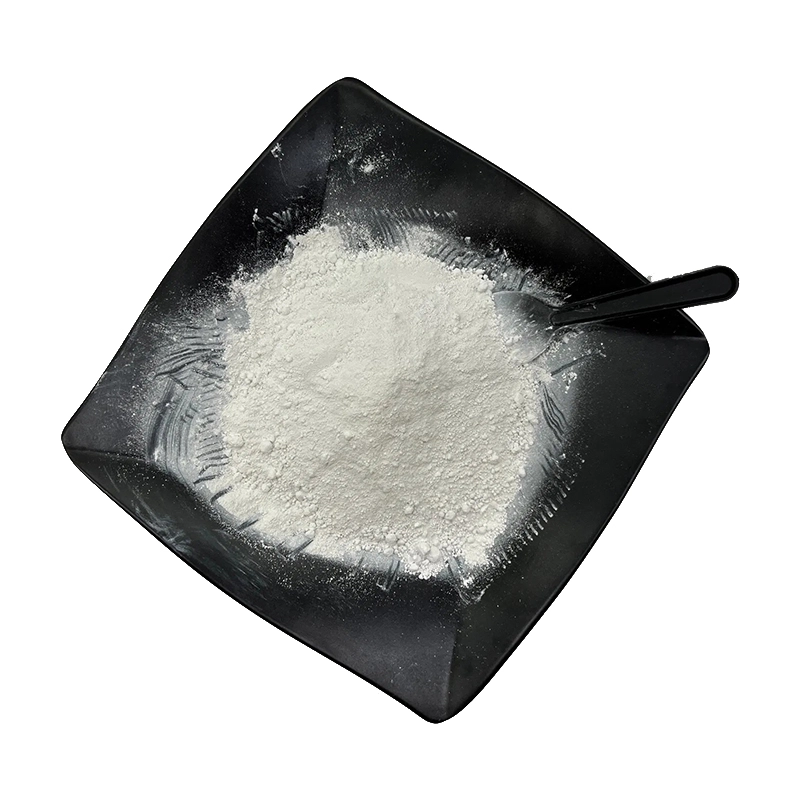
Product Description
Hydroxypropyl Methyl Cellulose (HPMC), CAS No. 9004-65-3, is a non-ionic cellulose ether used as a functional additive in construction materials. Commonly supplied as a white to off-white powder, it forms a viscous solution in water and helps control the rheological behavior of formulated products.
In construction-grade formulations, HPMC is valued for its contribution to water retention, consistency, workability, and application stability. It is widely used in dry-mix mortar, ceramic tile adhesive, wall putty, cement-based plaster, gypsum products, and external thermal insulation and finishing systems.
HPMC performance depends on its viscosity grade, methoxy and hydroxypropoxy substitution levels, particle characteristics, and compatibility with other ingredients. Choosing a grade for a specific formulation is therefore more useful than selecting the material by name alone.
For manufacturers of premixed building materials, the appropriate HPMC grade can help balance ease of application, moisture management, and the working characteristics required for different substrates and construction conditions.
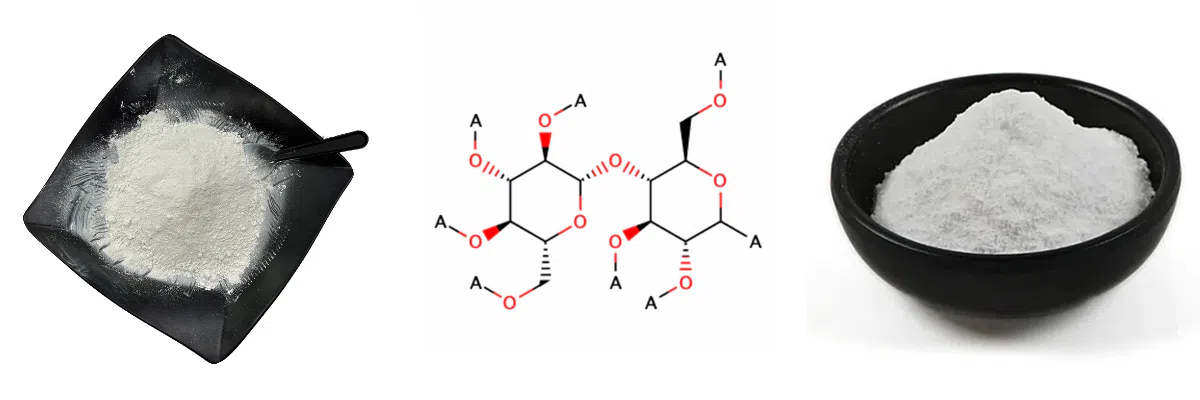
Chemical Properties
| Property | Description |
|---|---|
| Product Name | Hydroxypropyl Methyl Cellulose |
| Abbreviation | HPMC |
| CAS Number | 9004-65-3 |
| Chemical Class | Non-ionic cellulose ether |
| Chemical Structure | Cellulose backbone modified with methoxy and hydroxypropoxy groups |
| Molecular Formula | Variable polymeric structure; depends on substitution and polymerization |
| Appearance | Typically white to off-white powder |
| Solubility | Soluble in cold water; forms a viscous solution |
| Ionic Character | Non-ionic |
| Viscosity | Grade-dependent; must be specified with the test method, solution concentration, and temperature |
| pH | Grade- and test-condition-dependent; confirm against the product specification |
| Moisture Content | Grade-specific; check the current technical data sheet |
| Gelation Temperature | Varies with substitution level, grade, concentration, and test conditions |
| Main Functional Properties | Water retention, thickening, rheology modification, and improved workability |
| Typical Product Form | Powder for formulation and industrial processing |
Specification note: The table describes general HPMC characteristics, not a guaranteed batch specification. Viscosity, moisture, pH, substitution levels, and gelation temperature should be confirmed using the technical data sheet (TDS) and certificate of analysis (COA) for the exact grade supplied.
Product Applications
1. Tile Adhesives
HPMC is used in cement-based tile adhesive to regulate water retention and improve spreading and trowel handling. Depending on the grade and formulation, it can also help maintain open time and reduce tile slippage on vertical surfaces.
2. Dry-Mix Mortar
In premixed dry mortar, HPMC helps establish a consistent working texture after water is added. Its water-retention and rheological effects can support application control across different mortar formulations.
3. Wall Putty and Skim Coats
HPMC can improve the consistency and spreadability of wall putty and skim-coat compounds. Grade selection should account for the desired smoothness, application thickness, substrate absorbency, and drying conditions.
4. Cement-Based Plasters and Renders
For plaster and render formulations, HPMC helps manage moisture loss and adjust fresh-mix handling. The selected grade should be tested with the intended cement, fillers, and other additives.
5. Gypsum-Based Building Products
HPMC may be incorporated into selected gypsum-based plasters and finishing materials to modify consistency and application behavior. Compatibility and setting performance should be evaluated for each formulation.
6. External Thermal Insulation and Finishing Systems
In suitable EIFS/ETICS mortars and related finishing compounds, HPMC can support water retention and workable consistency. The final performance depends on the full formulation, including binders, aggregates, and polymer additives.
FAQ
Q1: What is HPMC used for in construction materials?
HPMC is commonly used as a water-retention agent and rheology modifier in tile adhesives, dry-mix mortar, wall putty, plasters, and selected gypsum-based products.
Q2: Does HPMC have different viscosity grades?
Yes. Commercial HPMC is available in different viscosity grades and substitution profiles. The appropriate grade depends on the application, required consistency, processing conditions, and formulation.
Q3: Can one HPMC grade be used for both tile adhesive and wall putty?
Not necessarily. Some grades may suit multiple applications, but the optimum choice depends on the required workability, water retention, open time, and compatibility with the other ingredients. Test the selected grade in each intended formulation.
Q4: Which documents should be checked before purchasing HPMC?
Review the current TDS and COA for grade-specific properties, along with the SDS for handling and safety information. Confirm that the specification and test methods match your production requirements.
Q5: How should HPMC be stored?
Store it in sealed original packaging in a cool, dry location and prevent exposure to moisture. Use the supplier's storage and shelf-life recommendations for the specific product.


