

Product Description
Ozone, with the chemical formula O3 and CAS number 10028-15-6, is a triatomic form of oxygen composed of three oxygen atoms. Unlike ordinary molecular oxygen (O2), ozone is highly reactive and is recognized for its strong oxidizing properties.
At typical ambient conditions, ozone is a colorless to pale blue gas with a sharp, pungent odor. It is unstable and gradually decomposes into oxygen; its decomposition rate depends on temperature, concentration, surface contact, and other operating conditions.
Ozone is used in specialized industrial processes where oxidation or disinfection is required. It can react with selected organic compounds, oxidizable inorganic substances, and microorganisms. Its practical performance depends on ozone concentration, gas or liquid contact conditions, reaction time, and the characteristics of the material being treated.
Because ozone is unstable, it is commonly generated on-site using dedicated ozone-generation equipment. It should not be treated like an ordinary stable chemical that can be stored indefinitely. Generation systems, gas transfer lines, contact equipment, monitoring instruments, and ozone destruction units must be selected according to the process design.
Ozone also presents significant occupational hazards. Inhalation can damage the respiratory tract, and its strong oxidizing action creates additional risks when it contacts incompatible materials. Industrial use requires controlled operating conditions, suitable monitoring, leak prevention, and appropriate ventilation.
Chemical Properties
| Property | Description |
|---|---|
| Product Name | Ozone |
| CAS Number | 10028-15-6 |
| Molecular Formula | O3 |
| Molecular Weight | 47.998 g/mol |
| Chemical Name | Ozone |
| Common Synonyms | Triatomic Oxygen, Trioxygen |
| Chemical Class | Inorganic Molecular Form of Oxygen |
| Appearance | Colorless to Pale Blue Gas |
| Odor | Sharp, Pungent Odor |
| Physical State at Ambient Conditions | Gas |
| Melting Point | Approximately -192°C |
| Boiling Point | Approximately -112°C |
| Solubility in Water | More soluble than molecular oxygen, but still limited under ordinary conditions |
| Chemical Character | Strong Oxidizing Agent |
| Stability | Unstable; decomposes into oxygen |
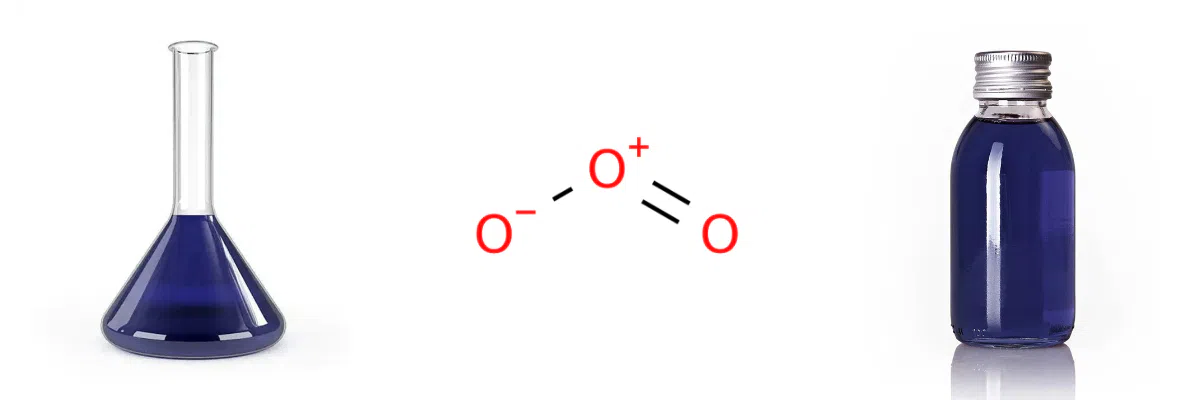
| Molecular Structure | Bent, Three-Atom Molecule |
| Main Chemical Behavior | Oxidation and reaction with susceptible chemical species |
| Principal Safety Hazards | Toxic by inhalation; strong oxidizer; may react dangerously with incompatible materials |
Product Applications
1. Drinking Water Treatment
Ozone is used in selected drinking-water treatment systems for disinfection and oxidation. Treatment performance depends on water composition, ozone transfer efficiency, contact time, and the specific treatment objectives. Additional treatment steps may be required depending on the water source and applicable standards.
2. Wastewater Treatment
In industrial and municipal wastewater treatment, ozone can support the oxidation of selected contaminants and help address certain color or odor issues. The suitability of ozonation depends on wastewater composition, process design, operating cost, and the need to manage reaction by-products.
3. Industrial Water Processing
Ozone is applied in specialized industrial water systems where controlled oxidation is required. Engineers must assess the water chemistry, ozone demand, contact equipment, and downstream process requirements before choosing an ozone-based treatment method.
4. Air Treatment and Odor Control
Ozone has been used in certain engineered air-treatment and odor-control applications. Because inhaled ozone is hazardous, these applications require strict exposure controls, appropriate monitoring, and measures to prevent ozone from reaching occupied areas at unsafe concentrations.
5. Food Processing and Equipment Sanitation
Under applicable regulations and validated operating conditions, ozone may be used in selected food-processing environments for water treatment or sanitation. Its use must comply with the relevant jurisdiction's requirements and the specific process conditions; suitability should not be assumed for every food or surface.
6. Chemical Oxidation Processes
Ozone is used as a reactant in selected chemical processes involving oxidation of susceptible compounds. The reaction pathway and product distribution depend on the substrate, reaction medium, ozone concentration, and process conditions.
7. Pulp, Textile, and Specialty Bleaching
Ozone can be used in certain bleaching processes where its oxidizing behavior is appropriate. Process design must account for material compatibility, desired product properties, reaction control, and safe handling of the gas.
FAQ
Q1: What Is Ozone?
Ozone is a molecular form of oxygen with the formula O3. It consists of three oxygen atoms and is known for its strong oxidizing properties.
Q2: What Is the CAS Number of Ozone?
The CAS Registry Number for ozone is 10028-15-6.
Q3: Is Ozone the Same as Oxygen?
No. Ordinary oxygen gas is primarily O2, while ozone is O3. Ozone is considerably more reactive and has different chemical and safety properties.
Q4: Can Ozone Be Stored for Long Periods?
Ozone is unstable and decomposes into oxygen, so it is generally generated near the point of use rather than stored for extended periods as a concentrated gas. The appropriate generation and delivery method depends on the application and system design.
Q5: Is Ozone Safe to Inhale?
No. Ozone can irritate and damage the respiratory system. Industrial systems require exposure monitoring, leak prevention, appropriate ventilation, and suitable protective measures.


