

Product Description
Cocamide DEA, CAS No. 68603-42-9, is a fatty acid diethanolamide derived from coconut oil fatty acids and diethanolamine. Also known as coconut diethanolamide or coco diethanolamide, it is a nonionic surfactant ingredient commonly used to modify foam performance and viscosity in formulated products.
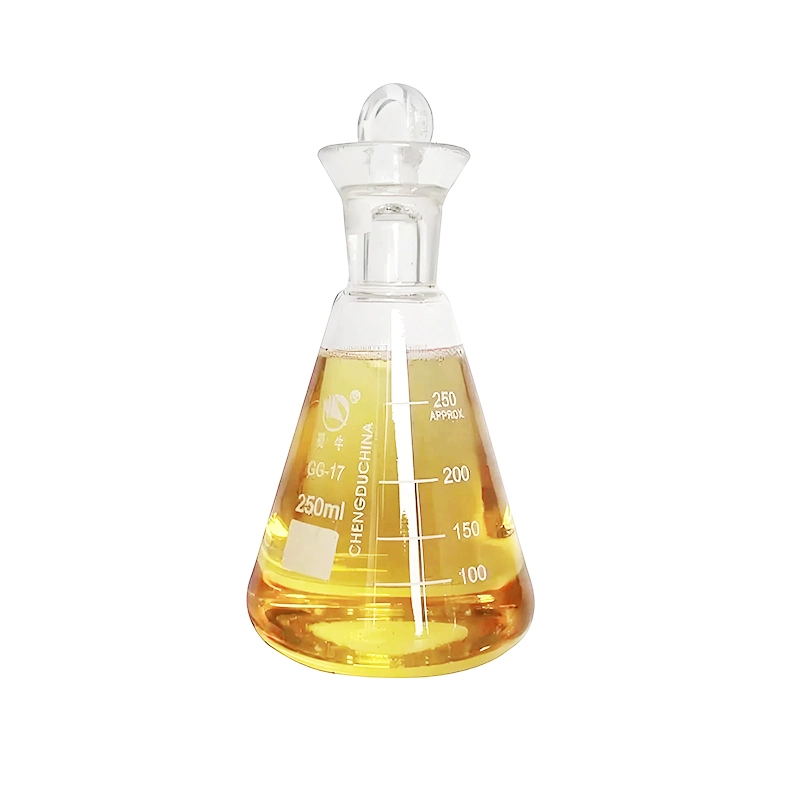
Commercial Cocamide DEA is generally a viscous, yellow to amber liquid. Its precise composition depends on the fatty acid distribution of the starting material and the manufacturing process. As a result, appearance, viscosity, pH, active content, and other quality parameters may vary between grades.
In surfactant formulations, Cocamide DEA can support foam stability and help adjust the flow characteristics of liquid products. It is often used with other surfactants rather than as the sole cleansing ingredient. Its contribution to the final formulation depends on the surfactant system, concentration, electrolyte content, and other ingredients.
Cocamide DEA is used in selected personal care and household cleaning formulations, including shampoos, liquid soaps, and dishwashing products. Certain industrial formulations may also use it for surface-active or viscosity-modifying functions.
For cosmetic and personal care applications, formulation safety and regulatory compliance are important. Products should be assessed for residual diethanolamine, nitrosamine-related impurities, and compatibility with the complete ingredient system. Cocamide DEA should not be used in formulations containing nitrosating agents where prohibited by applicable requirements.
Chemical Properties
| Property | Description |
|---|---|
| Product Name | Cocamide DEA |
| CAS Number | 68603-42-9 |
| Common Name | Coconut Diethanolamide |
| Other Names | Coco Diethanolamide; Coconut Oil Acid Diethanolamide |
| Chemical Class | Fatty Acid Diethanolamide |
| Ingredient Type | Nonionic Surfactant |
| Source Material | Coconut Oil Fatty Acids and Diethanolamine |
| Composition | Mixture of fatty acid diethanolamides; distribution depends on grade |
| Appearance | Typically Yellow to Amber, Viscous Liquid |
| Odor | Mild, Characteristic Fatty or Amine-Like Odor |
| Water Behavior | Disperses or dissolves to a grade-dependent extent; may form foam in aqueous systems |
| pH | Grade- and test-method-dependent |
| Viscosity | Depends on composition, temperature, and commercial grade |
| Molecular Formula | No single universal formula for the commercial fatty acid mixture |
| Molecular Weight | No single universal molecular weight; depends on fatty acid composition |
| Main Functional Properties | Foam Boosting, Foam Stabilization, and Viscosity Adjustment |
| Formulation Character | Commonly used with other surfactants in compatible formulations |
Product Applications
1. Shampoo Formulations
Cocamide DEA can be incorporated into compatible shampoo systems to support foam stability and adjust viscosity. Its performance depends on the primary surfactants, formulation pH, electrolyte levels, and the desired texture of the finished product.
2. Liquid Hand Soap and Body Cleansers
In selected liquid cleansing formulations, Cocamide DEA helps improve lather characteristics and control product consistency. The finished formula should be evaluated for skin compatibility, stability, and compliance with the intended market's cosmetic requirements.
3. Dishwashing Liquids
Cocamide DEA is used in some dishwashing formulations to support foam quality and adjust viscosity. Its effectiveness depends on the overall surfactant blend and the formulation's cleaning and rinsing requirements.
4. Household Cleaning Products
Compatible household cleaning formulations may use Cocamide DEA to modify foam and flow behavior. Suitability should be assessed alongside other surfactants, salts, preservatives, and formulation additives.
5. Industrial Cleaning Formulations
Certain industrial cleaning products incorporate fatty acid diethanolamides to modify surface activity or viscosity. Selection should be based on the chemical environment, required performance, material compatibility, and the product's safety requirements.
6. Selected Metalworking and Specialty Formulations
Cocamide DEA has also been used in certain metalworking fluids and specialty formulations. Its role depends on the specific system and should be confirmed through compatibility and performance testing.

FAQ
Q1: What Is Cocamide DEA?
Cocamide DEA is a fatty acid diethanolamide derived from coconut oil fatty acids and diethanolamine. It is commonly used as a nonionic surfactant ingredient and foam or viscosity modifier.
Q2: Is Cocamide DEA the Same as Coconut Diethanolamide?
Coconut Diethanolamide is a common alternative name for Cocamide DEA. Commercial naming and composition may vary, so the CAS number and grade specification should be checked when confirming product identity.
Q3: Does Cocamide DEA Have a Single Molecular Formula?
No single molecular formula describes every commercial Cocamide DEA grade because it contains a distribution of fatty acid-derived components. Its composition depends on the source fatty acids and manufacturing specifications.
Q4: What Is the Main Function of Cocamide DEA in Cleansing Products?
It is commonly used to enhance and stabilize foam and to adjust viscosity in compatible surfactant formulations. Its performance depends on the complete formulation rather than the ingredient alone.
Q5: What Should Be Considered When Using Cocamide DEA in Personal Care Products?
Formulators should verify the grade specification, residual diethanolamine, nitrosamine-related impurity controls, and applicable cosmetic regulations. It should not be used with nitrosating agents where such combinations are prohibited.


