

Product Description
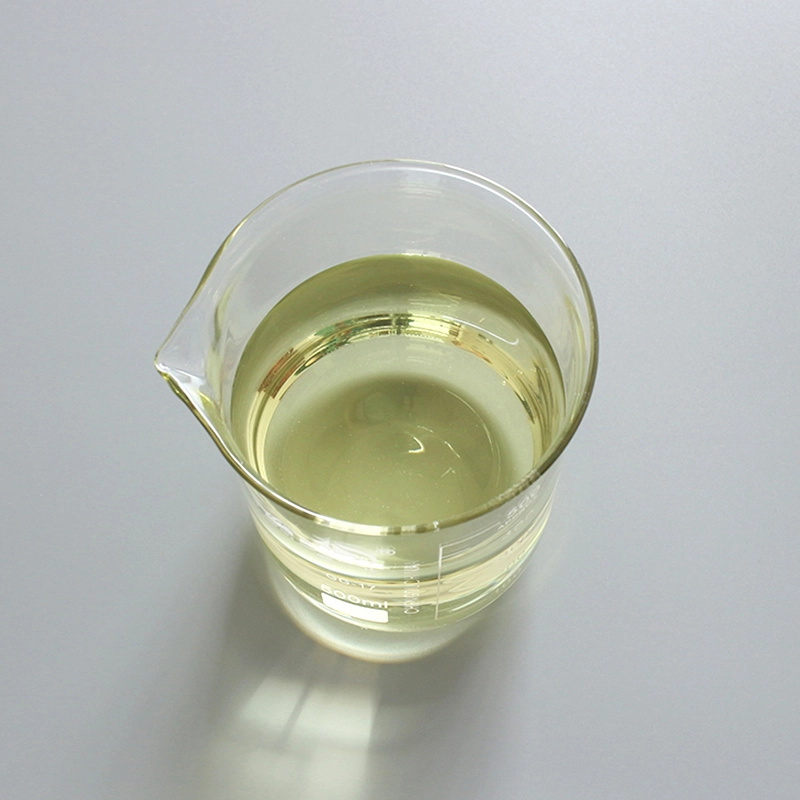
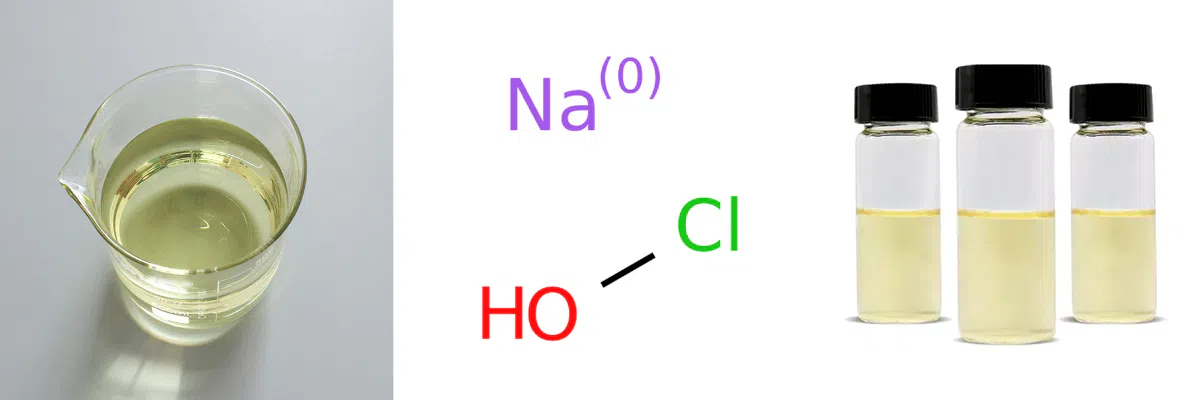
Sodium Hypochlorite, with the chemical formula NaOCl and CAS number 7681-52-9, is an inorganic chlorine compound known for its oxidizing, disinfecting, and bleaching properties. It is commonly supplied as a water-based liquid, typically colorless to pale yellow, with a characteristic chlorine-like odor.
In industrial operations, sodium hypochlorite is used to control microbial growth, oxidize certain substances, and support bleaching processes. Its effectiveness depends on factors such as available chlorine, concentration, pH, contact time, temperature, and the composition of the material being treated.
Sodium hypochlorite is widely applied in municipal and industrial water treatment, wastewater processing, sanitation systems, and selected pulp and textile operations. It can also be incorporated into compatible industrial cleaning and bleaching formulations.
The chemical is sensitive to storage conditions. Heat, light, contamination, and unsuitable handling can accelerate decomposition and reduce available chlorine. Product specifications should therefore identify the intended grade and relevant concentration parameters rather than relying on the chemical name alone.
Sodium hypochlorite is an oxidizing and corrosive chemical, particularly at higher concentrations. It must never be mixed with acids or ammonia-containing products because dangerous gases may be released. Appropriate chemical-resistant equipment, ventilation, protective measures, and safe handling procedures are essential.
Chemical Properties
| Property | Description |
|---|---|
| Product Name | Sodium Hypochlorite |
| CAS Number | 7681-52-9 |
| Molecular Formula | NaOCl |
| Molecular Weight | 74.44 g/mol |
| Chemical Class | Inorganic Hypochlorite Compound |
| Appearance | Typically Colorless To Pale Yellow Liquid |
| Odor | Characteristic Chlorine-Like Odor |
| Common Commercial Form | Aqueous Liquid |
| Solubility | Mixes With Water |
| Chemical Character | Oxidizing And Alkaline |
| Active Component | Sodium Hypochlorite |
| Available Chlorine | Depends On Product Grade And Concentration |
| pH | Grade- And Concentration-Dependent |
| Stability | Decomposes Over Time; Heat And Light Can Accelerate Decomposition |
| Primary Functions | Oxidation, Disinfection, Sanitation, And Bleaching |
| Main Compatibility Risks | Acids Can Release Chlorine Gas; Ammonia-Containing Materials Can Generate Hazardous Chloramine Gases |
Chemical Property Note: These are general reference properties of sodium hypochlorite. Commercial products may differ in concentration, available chlorine, density, alkalinity, and stability. Confirm actual values using the applicable technical data sheet (TDS) and certificate of analysis (COA).
Product Applications
1. Water Treatment
Sodium hypochlorite is used in municipal and industrial water-treatment systems to support disinfection and control chlorine residuals. The required dosage depends on water quality, treatment objectives, contact conditions, and applicable regulations.
2. Wastewater Treatment
In wastewater facilities, sodium hypochlorite can be used for effluent disinfection and selected oxidation processes. Application conditions should account for organic demand, contact time, residual limits, and discharge requirements.
3. Industrial Cleaning And Sanitation
Compatible sodium hypochlorite formulations are used in industrial and institutional sanitation programs. Material compatibility, dilution, contact time, ventilation, and handling requirements must be assessed for each application.
4. Pulp And Paper Processing
Sodium hypochlorite has been used in selected pulp and paper bleaching processes because of its oxidizing properties. Its suitability depends on the production process, desired material characteristics, and environmental controls.
5. Textile Bleaching
In compatible textile processes, sodium hypochlorite can help remove unwanted coloration from selected materials. Concentration, exposure time, temperature, and rinsing conditions need to be controlled to limit damage to fibers.
6. Swimming Pool And Cooling Water Treatment
Sodium hypochlorite can be used in managed disinfection programs for swimming pools and certain cooling-water systems. Dosage and monitoring should follow the applicable water-quality requirements and system-specific operating procedures.
7. Industrial Chemical Formulations
Sodium hypochlorite is an active ingredient in selected bleaching, cleaning, and sanitation products. Formulators must evaluate ingredient compatibility, product stability, packaging compatibility, and relevant safety requirements before incorporating it into a formulation.
FAQ
Q1: What Is Sodium Hypochlorite Used For?
Sodium hypochlorite is used for water disinfection, wastewater treatment, industrial sanitation, bleaching, and selected oxidation processes. Its suitability depends on the concentration and requirements of the intended application.
Q2: What Is The Chemical Formula Of Sodium Hypochlorite?
The chemical formula is NaOCl, and its molecular weight is approximately 74.44 g/mol.
Q3: What Does Available Chlorine Mean?
Available chlorine indicates the oxidizing capacity of a hypochlorite product expressed as an equivalent amount of chlorine. It is related to sodium hypochlorite concentration, but the two values are not identical and should be compared using clearly defined test methods.
Q4: Does Sodium Hypochlorite Decompose During Storage?
Yes. Sodium hypochlorite gradually decomposes, and the process can accelerate under warm, bright, or contaminated storage conditions. Follow the product-specific storage instructions and monitor available chlorine when required.
Q5: Can Sodium Hypochlorite Be Mixed With Other Chemicals?
Do not mix sodium hypochlorite with acids or ammonia-containing products because toxic gases may be generated. Compatibility with other chemicals must be confirmed before mixing, following the relevant safety data sheet and approved procedures.


