

Product Description
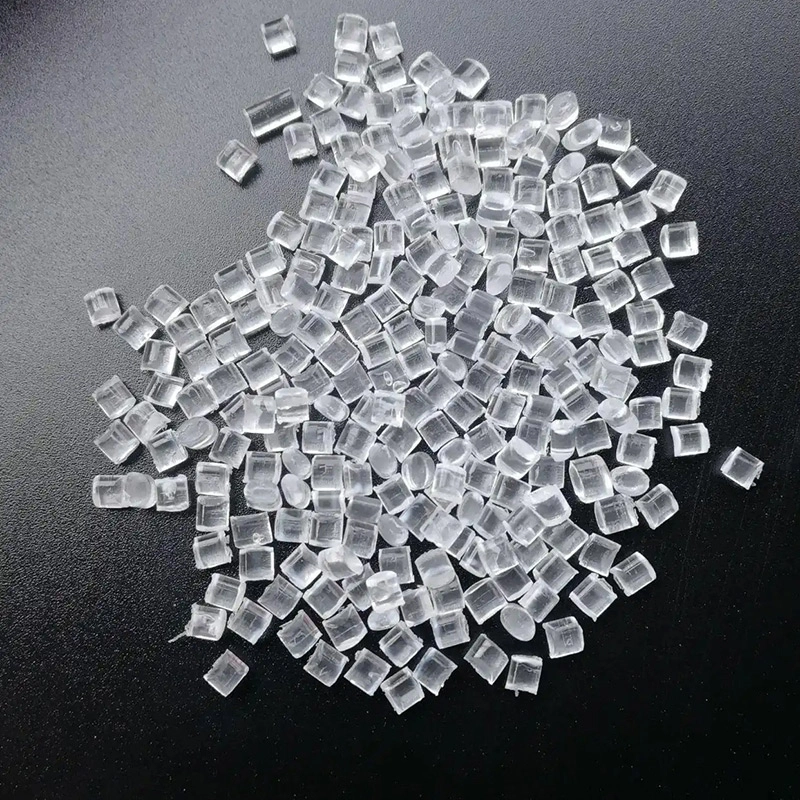
Polycarbonate Resin, commonly abbreviated as PC resin, is an engineering thermoplastic identified by CAS number 25037-45-0. It is widely selected for applications that require a combination of impact resistance, dimensional performance, and, in transparent grades, optical clarity. Compared with many general-purpose plastics, polycarbonate is particularly useful when a component must balance mechanical durability with appearance or light transmission.
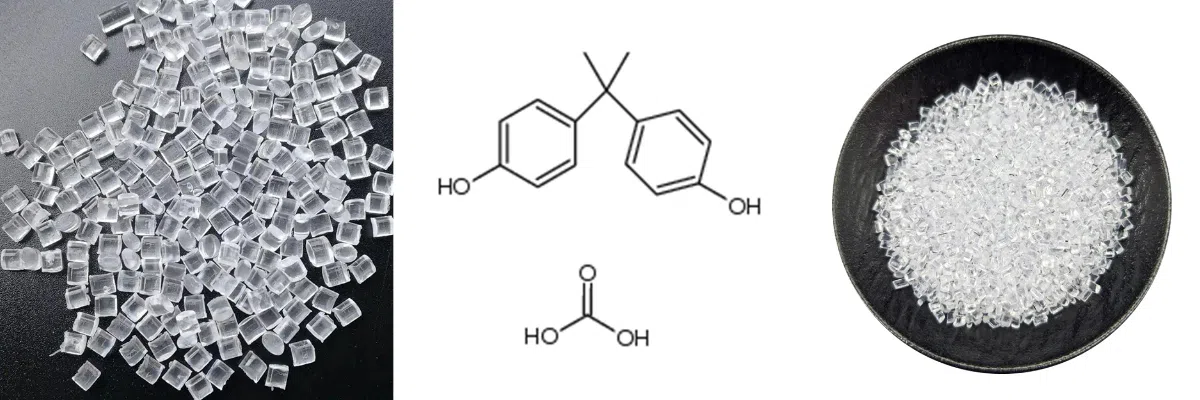
Commercial polycarbonate resin is commonly based on bisphenol-A polycarbonate, although product composition and formulation can vary. The polymer contains carbonate linkages within its molecular structure, contributing to its characteristic mechanical and thermal behavior. Its final performance is influenced by molecular weight, melt flow characteristics, additives, reinforcement, colorants, and the specific grade supplied.
For construction-related manufacturing, PC resin can be used to produce transparent or translucent sheets, protective covers, glazing components, and selected architectural parts. Its impact resistance can be advantageous in applications exposed to routine mechanical contact, while transparent grades help maintain visibility and daylight transmission. Outdoor service requires additional consideration of ultraviolet exposure, weathering, surface coatings, and the design life of the finished component.
Polycarbonate is also suitable for a range of industrial processing methods, including injection molding and extrusion. Injection-molding grades are commonly selected for complex housings and precision components, while extrusion grades may be appropriate for sheets, profiles, or other continuous forms. The correct choice depends on the required melt flow, part geometry, surface quality, mechanical performance, and production equipment.
An important processing consideration is moisture control. Polycarbonate can absorb moisture, and excessive residual water during high-temperature processing may contribute to molecular degradation, reduced mechanical performance, or surface defects. Resin should therefore be dried according to the grade-specific technical data sheet before processing, with drying conditions and moisture targets established by the supplier.
When evaluating Polycarbonate Resin CAS 25037-45-0, buyers should compare more than the product name and density. Melt flow rate, impact strength, tensile properties, heat-deflection behavior, optical performance, flame-retardant classification, and UV resistance can differ significantly between grades. Selecting resin against the requirements of the finished part helps reduce production issues and avoids paying for properties that the application does not require.
Polycarbonate Resin Chemical Properties
| Property | Details |
|---|---|
| Product Name | Polycarbonate Resin |
| Common Abbreviation | PC |
| CAS Number | 25037-45-0 |
| Polymer Type | Engineering thermoplastic |
| Chemical Structure | Polymer containing carbonate linkages |
| Repeat-Unit Formula | Common bisphenol-A polycarbonate: (C₁₆H₁₄O₃)ₙ |
| Molecular Weight | No single fixed molecular weight; depends on polymer chain length and grade |
| Appearance | Commonly supplied as pellets or granules; color and transparency depend on grade |
| Density | Approximately 1.20 g/cm³ for many standard PC grades |
| Glass Transition Temperature (Tg) | Typically around 145–150°C for common bisphenol-A PC grades |
| Melting Behavior | Amorphous PC generally does not have a sharp crystalline melting point; processing temperature is grade-dependent |
| Optical Properties | Transparent grades can offer high light transmission; actual performance depends on grade, thickness, and processing |
| Mechanical Characteristics | Generally known for high impact resistance and useful stiffness |
| Water Absorption | Absorbs moisture; allowable moisture before processing depends on the grade and supplier specification |
| Processing Methods | Injection molding, extrusion, and other compatible thermoplastic processing methods |
| Chemical Resistance | Limited against certain solvents and aggressive chemicals; verify compatibility for the intended environment |
| Storage Guidance | Keep packaging sealed and protect resin from moisture, contamination, and unsuitable storage conditions |
Product Applications
1. Construction Sheets and Architectural Glazing
Suitable PC grades are used in the manufacture of roofing sheets, skylights, daylight panels, and selected glazing systems. The appropriate grade depends on the sheet design, impact requirements, optical properties, weather exposure, and any applicable building standards.
2. Safety Covers and Protective Barriers
Polycarbonate's impact resistance makes it useful for selected machine guards, protective screens, equipment covers, and safety barriers. The finished component must be designed and tested for its intended impact conditions and required safety performance.
3. Electrical and Electronic Components
PC resin is used in selected electrical housings, connectors, equipment enclosures, and electronic components. Buyers should check dimensional stability, electrical requirements, heat exposure, and any required flame-retardant classification.
4. Automotive Components
Appropriate grades can be used in automotive interior components, lighting-related parts, and selected transparent or molded components. Heat resistance, optical quality, weathering performance, and compliance with the relevant automotive specifications should guide grade selection.
5. Optical and Transparent Products
Optical-grade polycarbonate can be used for transparent covers, display components, lenses, and other products that require light transmission and impact resistance. Surface quality, haze, color, molding stress, and scratch protection may be important performance criteria.
6. Industrial Housings and Consumer Products
PC resin is used in durable housings, appliance components, equipment covers, and various consumer products. The required combination of strength, appearance, heat resistance, and processing behavior will determine the suitable resin grade.
FAQ
Q1: What is Polycarbonate Resin CAS 25037-45-0?
Polycarbonate Resin is an engineering thermoplastic commonly known as PC. It is valued for impact resistance, useful thermal performance, and the optical clarity available in suitable transparent grades.
Q2: Is Polycarbonate Resin suitable for construction materials?
Yes, selected grades are used for roofing sheets, skylights, protective barriers, and other construction-related components. Suitability depends on the grade, product design, weather exposure, and applicable building requirements.
Q3: What is the density of PC resin?
Many standard polycarbonate grades have a density of approximately 1.20 g/cm³. The exact value should be verified against the technical data sheet for the grade being purchased.
Q4: Does Polycarbonate Resin need to be dried before processing?
In most conventional melt-processing applications, PC resin requires moisture control and often pre-drying. Follow the supplier's specified drying temperature, duration, and target moisture content for the exact grade.
Q5: How do I choose the correct PC resin grade?
Compare the intended process, melt flow rate, impact strength, heat performance, optical requirements, UV resistance, and flame classification. Use the relevant test methods and finished-part requirements to make the selection.
Q6: Is standard Polycarbonate Resin suitable for long-term outdoor use?
Not necessarily. Outdoor performance depends on UV stabilization, protective coatings or layers, weather exposure, and the component design. Request grade-specific weathering data before specifying resin for exterior applications.


