

Product Description
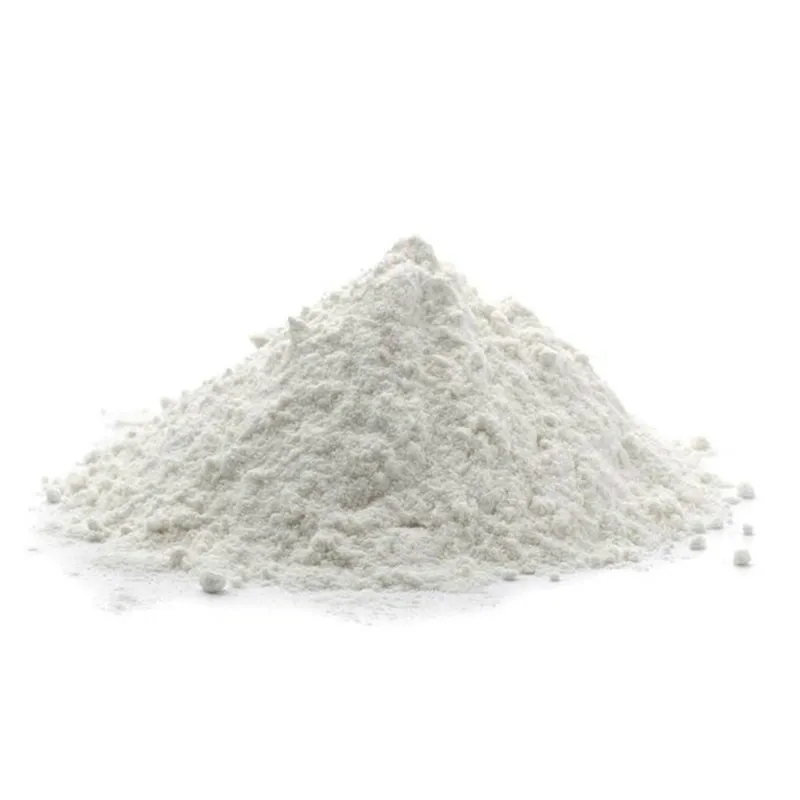
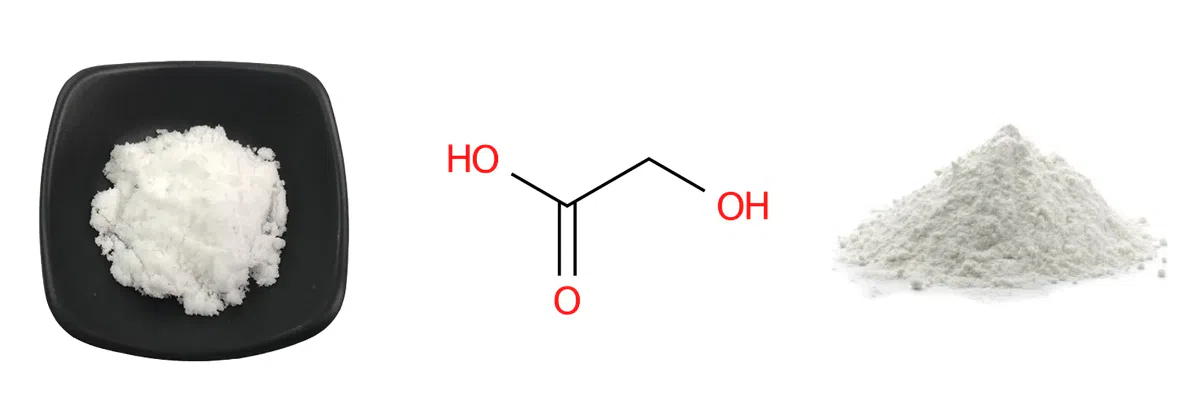
Glycolic acid, CAS 79-14-1, is the simplest alpha-hydroxy acid, with the chemical name 2-hydroxyacetic acid. Its molecular formula is C₂H₄O₃ and its molecular weight is approximately 76.05 g/mol. The molecule contains a hydroxyl group adjacent to a carboxylic acid group, a structural combination that contributes to its acidity and chemical behavior in aqueous systems.
Depending on the grade, glycolic acid is supplied as a solid material or as an aqueous solution. Commercial solutions are commonly available at concentrations around 70%, while higher-purity grades may also be offered. These forms should not be treated as interchangeable: concentration affects the amount of active acid delivered, solution properties, handling requirements, and formulation calculations.
In industrial processing, glycolic acid can serve as an acidifying or complexing component in selected cleaning and surface-treatment systems. It is also used in textile dyeing and finishing, leather processing, and certain coating-related formulations. Its performance depends on factors such as concentration, pH, temperature, contact time, substrate composition, and the presence of other ingredients. Compatibility testing is particularly important where metals or sensitive surfaces are involved.
Glycolic acid is also used in cosmetic formulations, especially products designed for controlled exfoliation. Cosmetic suitability depends on the concentration in the finished product, formulation pH, intended use, exposure conditions, and applicable regulations. Industrial-grade material should not be assumed suitable for personal-care or other regulated applications without the appropriate specification and supporting documentation.
For purchasing and formulation planning, confirm whether the required material is solid glycolic acid or a specified aqueous concentration. Review the assay, water content, color, relevant impurity limits, and packaging compatibility. Concentrated solutions require appropriate corrosion-resistant handling equipment and a review of the product-specific safety documentation before use.
Chemical Properties
| Property | Details |
|---|---|
| Product Name | Glycolic Acid |
| CAS Number | 79-14-1 |
| Molecular Formula | C₂H₄O₃ |
| Molecular Weight | 76.05 g/mol |
| IUPAC Name | 2-Hydroxyacetic acid |
| Common Synonyms | Hydroxyacetic acid; Hydroxyethanoic acid; Glycollic acid; Alpha-hydroxyacetic acid |
| Chemical Class | Alpha-hydroxy carboxylic acid |
| Functional Groups | Hydroxyl group and carboxylic acid group |
| Appearance | Pure material is generally described as a white solid or colorless crystals; aqueous grades are liquids |
| Water Solubility | Miscible or highly soluble under typical aqueous-use conditions; confirm quantitative data for the specific grade and temperature |
| pKa | Approximately 3.8 |
| Melting Point | Approximately 75–80°C for the pure material; reported values vary with purity and test conditions |
| Commercial Forms | Solid grades and aqueous solutions at specified concentrations |
| Primary Chemical Functions | Acidification, pH adjustment, and selected complexing or surface-treatment applications |
| Storage Considerations | Keep in compatible, tightly closed packaging and follow the grade-specific safety and storage instructions |
Product Applications
1. Industrial Cleaning and Descaling
Glycolic acid can be incorporated into selected cleaning formulations for mineral deposits and process residues. Cleaning performance and substrate compatibility should be evaluated for the specific equipment, deposit type, and operating conditions.
2. Metal Surface Treatment
In suitable formulations, glycolic acid can contribute acidity and complexing behavior during metal cleaning or surface preparation. The substrate, concentration, contact time, and corrosion-control strategy must be considered before use.
3. Textile Dyeing and Finishing
Glycolic acid is used in selected textile-processing systems where controlled acidity is required. Its suitability depends on the fiber type, dye system, finishing chemistry, and process conditions.
4. Leather Processing
The compound can be used as an acidifying component in certain leather-treatment operations. Process trials are needed to determine appropriate dosage and compatibility with the leather and other processing auxiliaries.
5. Paints and Coatings Formulation
Glycolic acid may be evaluated in selected coating systems to help adjust formulation acidity or support specific process requirements. Its effect on stability, substrate interaction, and finished-film properties must be verified for each formulation.
6. Cosmetic Exfoliation Formulations
Glycolic acid is used in certain skin-care products as an alpha-hydroxy acid. Finished-product concentration, pH, exposure conditions, labeling, and market-specific cosmetic regulations must be assessed before commercial use.

FAQ
Q1: What is Glycolic Acid CAS 79-14-1?
Glycolic acid is an alpha-hydroxy carboxylic acid also known as hydroxyacetic acid or 2-hydroxyacetic acid. Its molecular formula is C₂H₄O₃.
Q2: What is the molecular weight of glycolic acid?
Its molecular weight is approximately 76.05 g/mol.
Q3: Is glycolic acid available as a solid and as a liquid?
Yes. The pure material is generally supplied as a solid, while commercial aqueous solutions are liquids. The concentration should be confirmed when selecting a product for formulation or process calculations.
Q4: Is glycolic acid soluble in water?
Yes. Glycolic acid is highly compatible with water. The physical properties of a commercial solution depend on its concentration and temperature.
Q5: Can glycolic acid be used in industrial cleaning?
It is used in selected cleaning and surface-treatment formulations. The appropriate concentration and contact conditions depend on the deposit, substrate, and corrosion requirements.
Q6: What should be checked before purchasing glycolic acid?
Confirm the CAS number, concentration or purity grade, water content, color, impurity limits, intended application, and packaging compatibility. For concentrated aqueous solutions, review the relevant safety documentation and handling requirements before use.


