

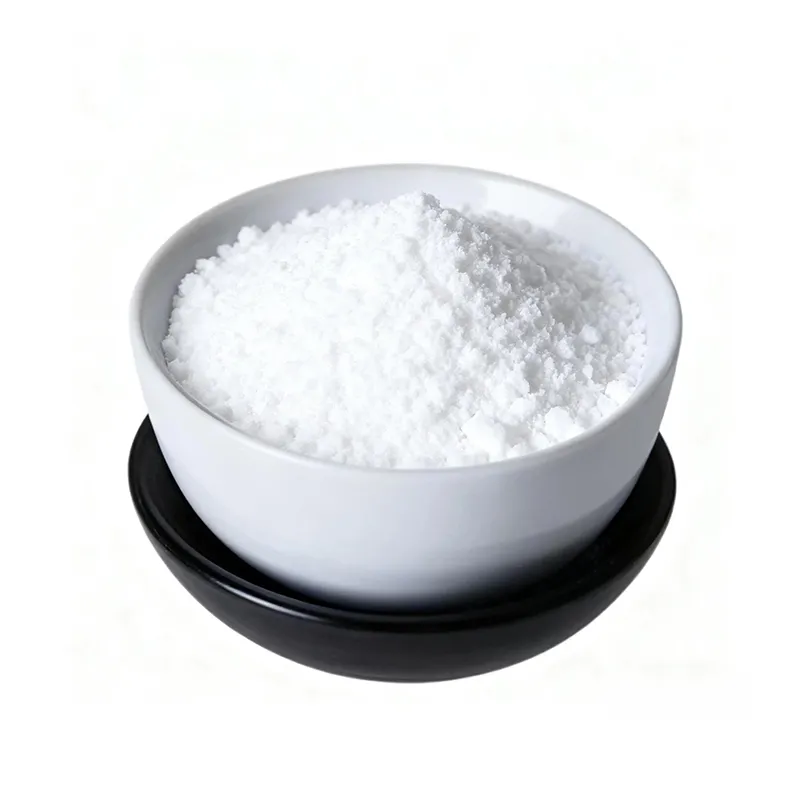
Product Description
Musk Ketone, CAS 81-14-1, is a synthetic nitro musk compound known for its sweet, persistent, slightly animalic musk odor. Also called Ketone Musk or Ketone Moschus, it has historically been used in perfumery to create warm, powdery fragrance effects and support the lasting character of selected perfume accords.
The compound has a molecular formula of C₁₄H₁₈N₂O₅ and a molecular weight of approximately 294.30 g/mol. It is typically described as a yellow or light-yellow crystalline solid and is practically insoluble in water. These characteristics should be considered when evaluating storage conditions, handling procedures, and compatibility with fragrance bases.
Musk Ketone belongs to the nitro musk family. Its use is subject to important regulatory and environmental considerations, and its historical presence in fragrance products does not mean it is permitted for every current application or market. Before purchasing, buyers should confirm the intended use, destination-market requirements, and any applicable fragrance-industry standards.
For quality assessment, request a current Technical Data Sheet (TDS), Safety Data Sheet (SDS), and batch-specific Certificate of Analysis (COA). Check the assay, appearance, melting range, impurity profile, and any relevant limits for other nitro musk compounds, including musk xylene.
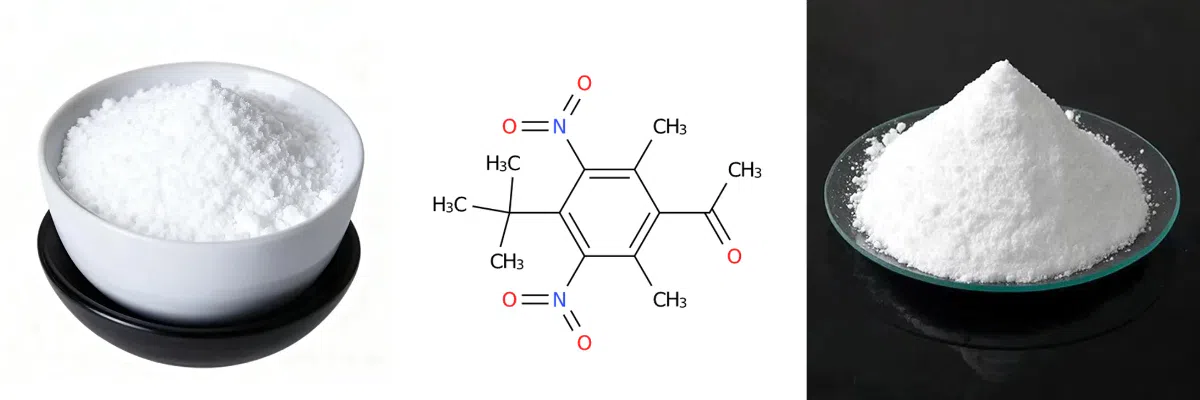
Chemical Properties
| Property | Details |
|---|---|
| Product Name | Musk Ketone |
| CAS Number | 81-14-1 |
| EC Number | 201-328-9 |
| Molecular Formula | C₁₄H₁₈N₂O₅ |
| Molecular Weight | 294.30 g/mol |
| Chemical Class | Synthetic Nitro Musk; Aromatic Ketone |
| Synonyms | Ketone Musk, Ketone Moschus |
| IUPAC Name | 1-(4-tert-Butyl-2,6-dimethyl-3,5-dinitrophenyl)ethanone |
| Appearance | Yellow to light-yellow crystalline solid |
| Melting Point | Approximately 135.5–136°C in reference data; commercial specifications may differ |
| Water Solubility | Practically insoluble in water |
| Odor Profile | Sweet, persistent, musk-like, slightly animalic |
| Historical Function | Fragrance ingredient and fixative |
| Storage and Handling | Follow the supplier's current SDS and product-specific instructions |
| Quality Verification | Confirm assay, melting range, impurity profile, and batch-specific COA |
Note: The table provides reference information rather than guaranteed commercial specifications. Verify all release criteria against the actual grade supplied.
Product Applications
1. Traditional Fine Fragrance Compositions
Musk Ketone has historically been used in selected perfume accords to contribute a persistent musk character. Any current use should be reviewed against applicable fragrance standards and local regulations.
2. Perfume Accord Development
Its sweet, powdery odor profile has been associated with traditional floral and fantasy-style fragrance compositions. Evaluation by a qualified perfumer is necessary to determine whether it meets the desired olfactory profile and regulatory requirements.
3. Fragrance Material Research
The compound may be encountered in analytical studies, reference-material work, or research into historical fragrance ingredients. Appropriate laboratory handling and documentation are essential.
4. Quality Control and Chemical Identification
Musk Ketone may be used as an analytical reference target when identifying or testing materials in accordance with a validated laboratory method. Confirm reference-material suitability and purity requirements before testing.

FAQ
Q1: What is Musk Ketone?
Musk Ketone is a synthetic nitro musk compound identified by CAS 81-14-1. It is known for its persistent musk-like odor and historical use in perfumery.
Q2: What are the molecular formula and molecular weight of Musk Ketone?
Its molecular formula is C₁₄H₁₈N₂O₅, and its molecular weight is approximately 294.30 g/mol.
Q3: Is Musk Ketone soluble in water?
It is practically insoluble in water. Its behavior in fragrance formulations depends on the carrier, solvent system, and overall composition.
Q4: What should buyers check before purchasing?
Confirm the CAS number, assay, appearance, melting range, impurity profile, packaging, and current TDS, SDS, and COA. Also verify the applicable restrictions for the intended product category and destination market.
Q5: Is Musk Ketone permitted in all fragrance products?
No. Its use may be restricted or subject to specific conditions depending on the market and application. Check current legal requirements and relevant industry standards before using it in a commercial formulation.


