

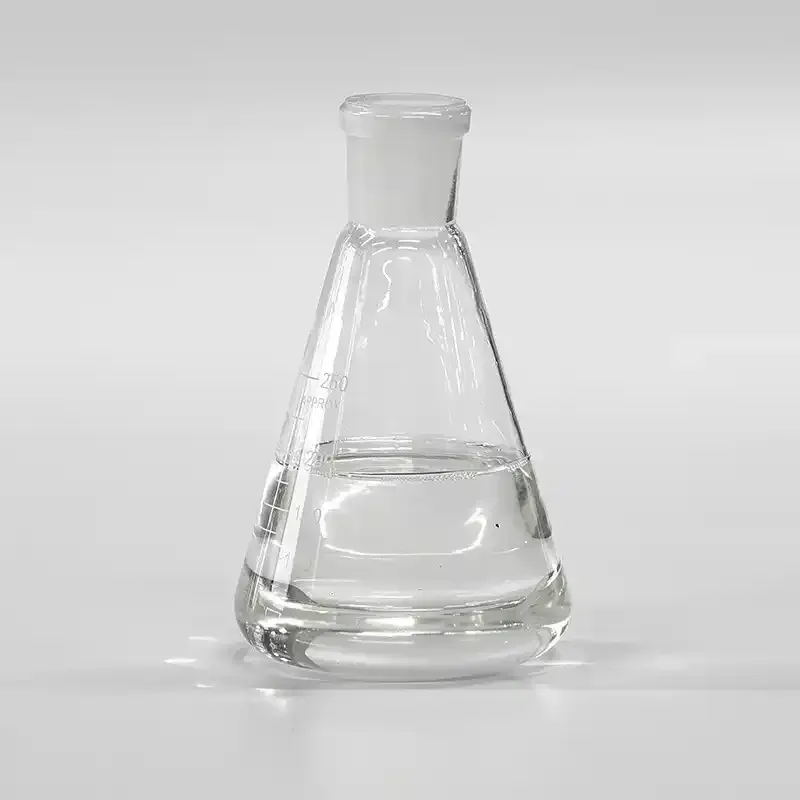
Product Description
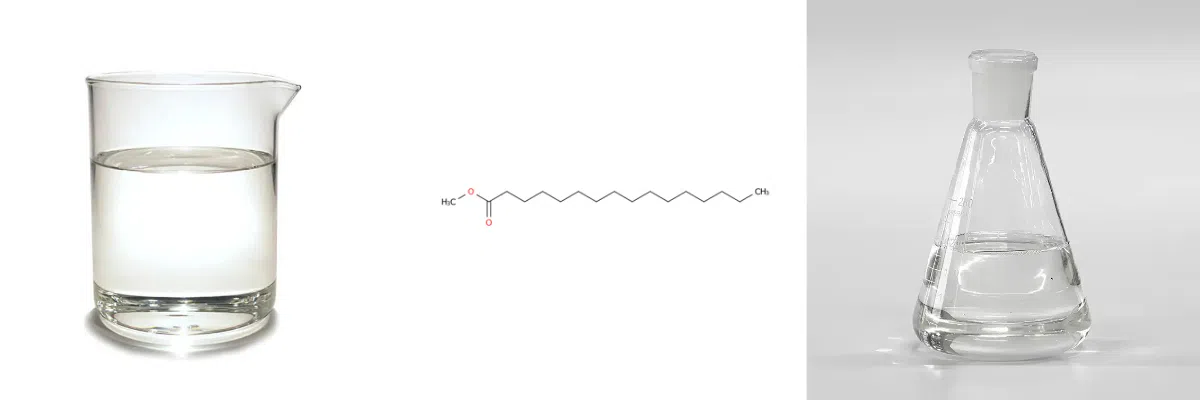
Methyl Palmitate, also known as Methyl Hexadecanoate or Palmitic Acid Methyl Ester, is the methyl ester of palmitic acid, a saturated fatty acid containing 16 carbon atoms. Its molecular formula is C17H34O2, and its CAS number is 112-39-0.
As a long-chain fatty acid ester, Methyl Palmitate is used in laboratory investigations involving lipid composition, fatty acid ester identification, and analytical reference materials. It may also be evaluated as a component in selected chemical formulations, depending on the required purity, physical properties, and compatibility with other ingredients.
At ordinary room temperature, Methyl Palmitate may appear as a solid or waxy material because its melting behavior is close to typical ambient temperatures. The observed appearance and melting range can vary with purity, grade, and storage conditions.
When selecting Methyl Palmitate, buyers should confirm the required assay, impurity profile, physical form, packaging, and intended application. For analytical work, a documented specification and suitable reference-material status may be important; a general industrial grade should not automatically be treated as an analytical standard.
Chemical Properties
| Property | Details |
|---|---|
| Product Name | Methyl Palmitate |
| CAS Number | 112-39-0 |
| IUPAC Name | Methyl Hexadecanoate |
| Synonyms | Palmitic Acid Methyl Ester; Hexadecanoic Acid Methyl Ester |
| Molecular Formula | C17H34O2 |
| Molecular Weight | 270.45 g/mol |
| EC Number | 203-966-3 |
| Chemical Class | Saturated fatty acid methyl ester |
| Appearance | White to off-white solid or waxy material; grade-dependent |
| Melting Point | Approximately 28–35°C in reported references; specification-dependent |
| Density | Approximately 0.852 g/mL at 25°C, as reported in reference data |
| Solubility | Insoluble or poorly soluble in water; compatibility with organic solvents should be checked for the intended process |
| Structural Feature | Straight-chain C16 fatty acid esterified with methanol |
| Storage | Follow the supplier’s product specification and safety data sheet; keep the container tightly closed and protect from unsuitable storage conditions |
Product Applications
1. Fatty Acid Ester Analysis
Methyl Palmitate can be used as a reference compound in chromatographic studies and analytical methods involving fatty acid methyl esters. The required grade should match the method’s purity and calibration requirements.
2. Lipid and Biochemical Research
It can support research into lipid composition, fatty acid derivatives, and the behavior of long-chain saturated esters in laboratory systems.
3. Analytical Reference and Method Development
Where the appropriate certified or documented grade is available, Methyl Palmitate may be used in reference comparisons, method verification, and instrument-related analytical work. Suitability depends on the material’s assigned purity and documentation.
4. Chemical Formulation Research
Methyl Palmitate may be evaluated in selected formulations that use long-chain fatty acid esters. Before scale-up, formulators should assess compatibility, thermal behavior, stability, and the specifications required for the final application.
5. Specialty Chemical Research
Researchers can use Methyl Palmitate when investigating ester properties, saturated fatty acid derivatives, and related chemical systems. Any use in consumer, cosmetic, or other regulated products should be supported by an application-specific safety and regulatory assessment.

FAQ
Q1: What is the difference between Methyl Palmitate and Palmitic Acid?
Methyl Palmitate is the methyl ester of palmitic acid, whereas Palmitic Acid is the free fatty acid. They have different chemical structures and should not be treated as interchangeable products.
Q2: Is Methyl Hexadecanoate the same compound as Methyl Palmitate?
Yes. Methyl Hexadecanoate is the systematic chemical name for Methyl Palmitate, CAS 112-39-0.
Q3: Why can the reported melting point vary?
Published values and supplier specifications may differ because of purity, measurement methods, and sample conditions. Buyers should use the melting range provided on the current certificate of analysis for the specific batch.
Q4: What information should be confirmed before placing an order?
Confirm the required purity, intended application, physical form, packaging quantity, batch documentation, and any analytical or regulatory requirements. If the material is intended for calibration or quantitative analysis, verify whether the offered grade meets the relevant reference-standard requirements.


