

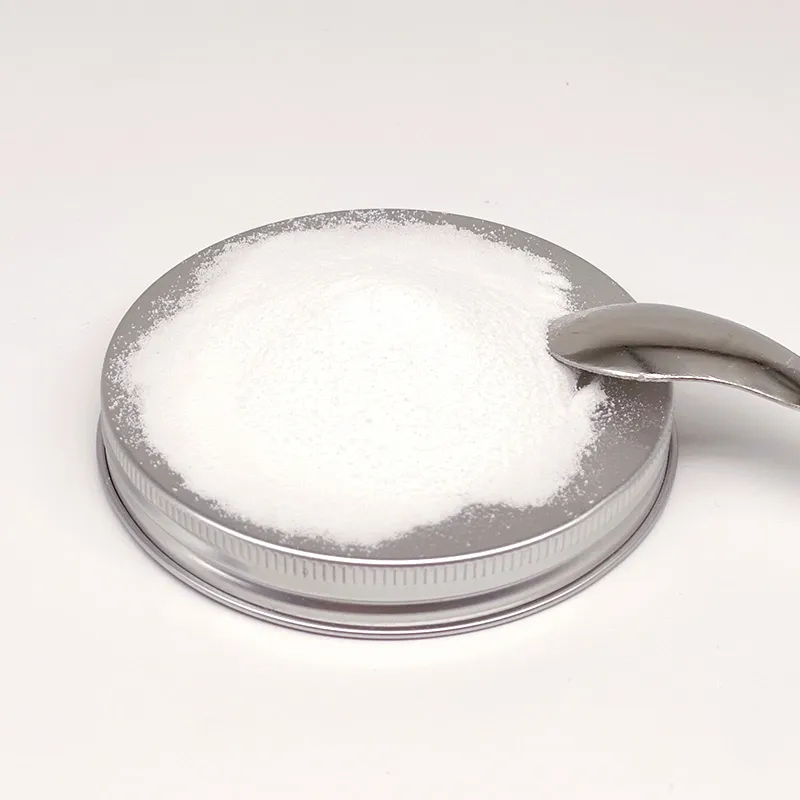
Product Description
Levulinic Acid, CAS 123-76-2, is a five-carbon organic acid containing a ketone group and a carboxyl group. Its combination of functional groups makes it a useful intermediate in organic synthesis and a starting material for producing a variety of chemical derivatives.
The compound is associated with biomass conversion chemistry and is used in research and industrial processes involving renewable chemical feedstocks. Depending on the reaction pathway, levulinic acid can be converted into products such as levulinate esters and other intermediates used in solvent, material, agricultural chemical, and specialty chemical development.
Levulinic acid is soluble in water and a number of polar organic solvents. It has a relatively low melting point, so its physical state may change with ambient temperature and storage conditions. This is important when selecting packaging, planning transport, or designing a production process.
For purchasing and formulation purposes, buyers should confirm the required assay, color, impurity profile, packaging, and intended application with the supplier. Where the material will be used in a regulated or sensitive application, request the applicable Certificate of Analysis (COA), Safety Data Sheet (SDS), and supporting grade documentation before use.
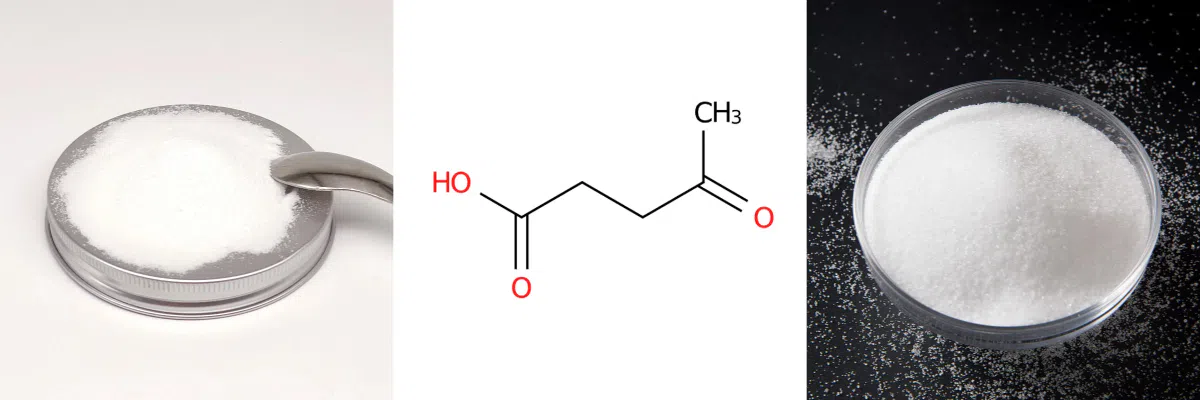
Chemical Properties
| Property | Details |
|---|---|
| Product Name | Levulinic Acid |
| CAS Number | 123-76-2 |
| Molecular Formula | C₅H₈O₃ |
| Molecular Weight | 116.12 g/mol |
| IUPAC Name | 4-Oxopentanoic Acid |
| Synonyms | 4-Oxovaleric Acid; 3-Acetylpropionic Acid; Laevulinic Acid |
| Appearance | Colorless to pale yellow liquid or low-melting solid, depending on temperature and grade |
| Melting Point | Approximately 30–33°C |
| Boiling Point | Approximately 245–246°C |
| Density | Approximately 1.13–1.14 g/mL at 25°C |
| Solubility | Soluble in water and many polar solvents; compatibility depends on the solvent and conditions |
| Functional Groups | Ketone and carboxylic acid |
| Storage | Keep tightly closed in a suitable, compatible container in a cool, dry place; follow the supplier’s SDS and storage instructions |
Physical properties are typical reference values and may vary by source, purity, test method, and temperature. Refer to the product-specific specification and COA for purchasing decisions.
Product Applications
1. Organic Synthesis and Chemical Intermediates
Levulinic acid is used as a starting material for preparing other organic compounds. Its ketone and carboxylic acid groups allow it to participate in different chemical transformations.
2. Bio-Based Chemical Production
Levulinic acid is an important platform molecule in biomass conversion research and renewable chemical manufacturing. It can be obtained from carbohydrate-rich feedstocks and processed into downstream chemicals.
3. Levulinate Ester Manufacturing
Reaction with suitable alcohols can produce levulinate esters. These derivatives are evaluated or used in various solvent, formulation, and specialty chemical applications according to their individual properties.
4. Pharmaceutical and Agrochemical Intermediate Research
Levulinic acid can serve as a chemical intermediate in the synthesis of selected pharmaceutical-related and agrochemical compounds. Suitability depends on the specific synthesis, impurity requirements, and applicable regulatory standards.
5. Materials and Specialty Chemical Development
Researchers and manufacturers use levulinic acid as a precursor in the development of selected functional materials, plasticizer-related compounds, and other specialty chemicals. The final application depends on the derivative produced rather than the acid alone.
FAQ
Q1: What is the CAS number of Levulinic Acid?
A: The CAS number of Levulinic Acid is 123-76-2.
Q2: What is the molecular formula and molecular weight of Levulinic Acid?
A: Its molecular formula is C₅H₈O₃, and its molecular weight is approximately 116.12 g/mol.
Q3: Is Levulinic Acid soluble in water?
A: Yes. Levulinic acid is soluble in water and many polar solvents. Solubility and compatibility in a specific formulation should be checked under the intended operating conditions.
Q4: What is Levulinic Acid used for?
A: It is used as an intermediate in organic synthesis, bio-based chemical production, levulinate ester manufacturing, and the development of selected specialty chemicals.
Q5: What information should be confirmed before ordering Levulinic Acid?
A: Confirm the required purity, appearance, impurity limits, packaging, quantity, and intended application. Request the current COA and SDS to verify that the offered grade meets your requirements.


