

Product Description
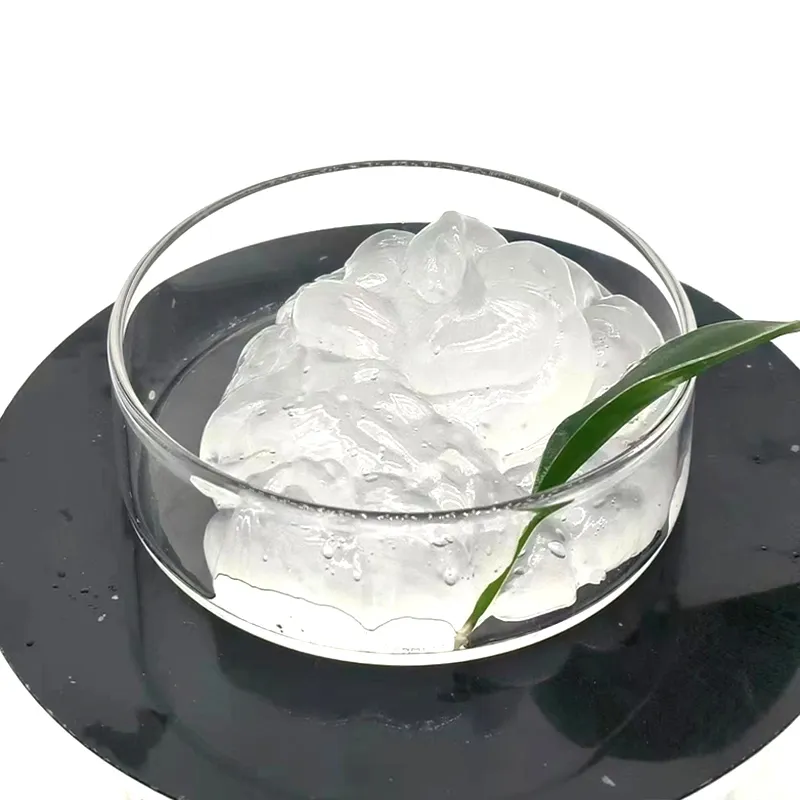
Sodium Lauryl Ether Sulfate (SLES), CAS 68585-34-2, is an ethoxylated anionic surfactant widely used in rinse-off personal-care products and household detergents. Its hydrophobic alkyl chain and hydrophilic sulfate group help lower surface tension, disperse oily soils, and support cleansing in water-based formulations.
Compared with non-ethoxylated sodium lauryl sulfate, SLES contains ethoxy units in its molecular structure. This structural difference affects its formulation behavior and makes it a distinct ingredient rather than an interchangeable name for SLS. Its performance in a finished product depends on factors such as active surfactant content, average ethoxylation level, electrolyte concentration, pH, and the presence of other ingredients.
Commercial SLES is supplied in different concentrations and physical forms, commonly including viscous liquid or paste-like grades. A 70% active matter grade is widely used in detergent and personal-care manufacturing, but the concentration should be confirmed before selecting this product for a formulation.
For purchasing and production planning, verify active matter, sodium chloride content, unsulfated matter, color, pH, viscosity, and the applicable test methods. These parameters can influence thickening, clarity, foam behavior, and batch-to-batch consistency. Request the current Certificate of Analysis (COA), Technical Data Sheet (TDS), and Safety Data Sheet (SDS) to confirm that the offered grade meets the intended application requirements.
Chemical Properties
| Property | Details |
|---|---|
| Product Name | Sodium Lauryl Ether Sulfate |
| Common Abbreviation | SLES |
| CAS Number | 68585-34-2 |
| Chemical Class | Ethoxylated anionic surfactant |
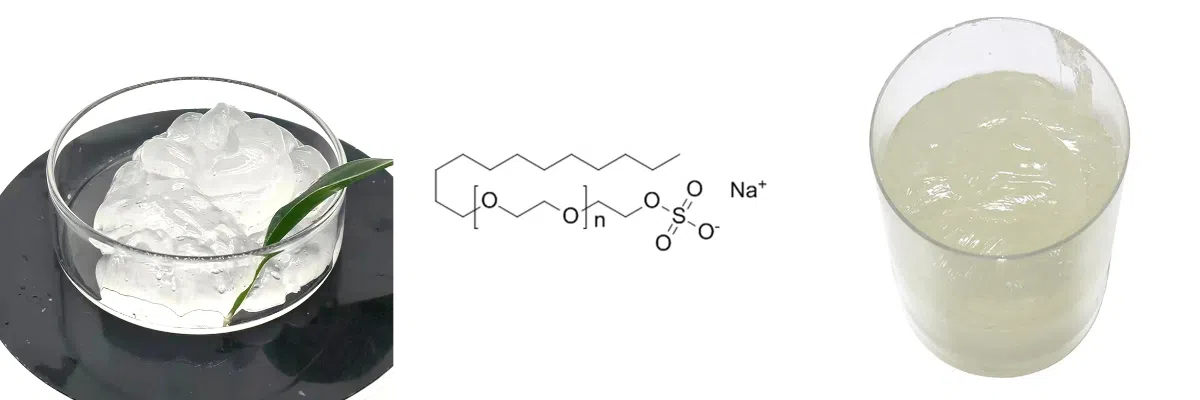
| General Structural Representation | R–(OCH₂CH₂)n–OSO₃Na |
| Alkyl Chain | Commonly based on lauryl or mixed fatty alcohol chains; distribution depends on grade |
| Ethoxylation Level | Grade-dependent; confirm the average ethoxylation level with the supplier |
| Molecular Formula | No single fixed formula applies to all commercial grades; composition depends on chain distribution and ethoxylation |
| Molecular Weight | Variable with alkyl chain distribution and ethoxylation level |
| Appearance | Commonly a colorless to pale-yellow viscous liquid or paste; grade-dependent |
| Ionic Character | Anionic |
| Solubility | Generally dispersible or soluble in water; behavior depends on concentration and formulation conditions |
| Main Functional Properties | Cleansing, foaming, wetting, and emulsifying support |
| Typical Commercial Concentration | 70% active matter is common; confirm the actual supplied grade |
| Storage | Keep in a tightly closed, compatible container under the supplier's recommended temperature and handling conditions |
Commercial SLES is a composition-dependent surfactant material. Use the supplier's specification and COA for exact values such as active matter, pH, viscosity, sodium chloride, color, and unsulfated matter.
Product Applications
1. Shampoo and Hair-Cleansing Products
SLES is used as a primary or co-primary surfactant in many shampoos. It helps remove sebum and accumulated residues while generating foam during washing.
2. Body Washes and Liquid Hand Soaps
In rinse-off personal-care products, SLES contributes to cleansing and foam formation. Formulators may combine it with amphoteric surfactants and other ingredients to adjust skin feel, viscosity, and overall product performance.
3. Dishwashing Liquids
SLES supports the removal and dispersion of grease and food residues in manual dishwashing formulations. The final cleaning performance depends on the full surfactant blend and other formulation components.
4. Laundry and Household Cleaning Detergents
It can be incorporated into selected liquid laundry detergents, multipurpose cleaners, and other water-based cleaning products where anionic surfactants are suitable.
5. Industrial and Institutional Cleaning Formulations
Depending on the required cleaning profile, SLES may be used in formulated cleaning products for commercial or institutional settings. Compatibility, foam level, and material suitability should be tested for each application.
FAQ
Q1: What is Sodium Lauryl Ether Sulfate (SLES)?
A: SLES is an ethoxylated anionic surfactant used mainly for cleansing and foam generation in personal-care products and household detergents.
Q2: Is SLES the same as Sodium Lauryl Sulfate (SLS)?
A: No. SLES contains ethoxy units in its structure, whereas SLS generally does not. They are different ingredients and should not be treated as exact synonyms.
Q3: Is SLES 70% available under CAS 68585-34-2?
A: SLES products with approximately 70% active matter are common in the market. Confirm the concentration and specification of the actual grade being offered before ordering.
Q4: What is SLES mainly used for?
A: Common uses include shampoos, body washes, liquid hand soaps, dishwashing liquids, laundry detergents, and selected household or industrial cleaning formulations.
Q5: Which specifications should be checked before purchase?
A: Confirm active matter, sodium chloride content, unsulfated matter, pH, color, viscosity, appearance, packaging, and the relevant test methods. Review the supplier's COA, TDS, and SDS before approving the material for production.


