

Product Description
Palladium is a metallic chemical element with the symbol Pd, atomic number 46, and CAS number 7440-05-3. Its relative atomic mass is approximately 106.42. As a precious transition metal, it is valued for its ability to participate in catalytic reactions and for its combination of electrical properties and resistance to oxidation under many ordinary conditions.
One of palladium's most important technical characteristics is its interaction with hydrogen and its ability to facilitate selected chemical transformations at the metal surface. This behavior supports its use in hydrogenation and other catalytic processes. The reaction outcome depends on factors such as metal purity, exposed surface area, particle size, temperature, pressure, and the chemical environment. Bulk palladium metal and finely divided palladium may therefore behave differently in practical applications.
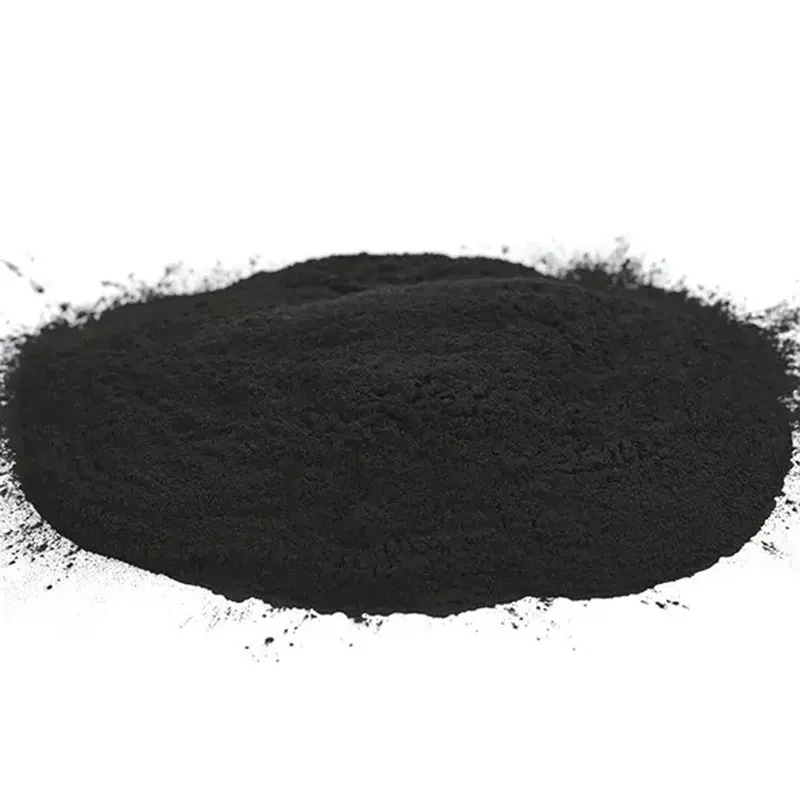
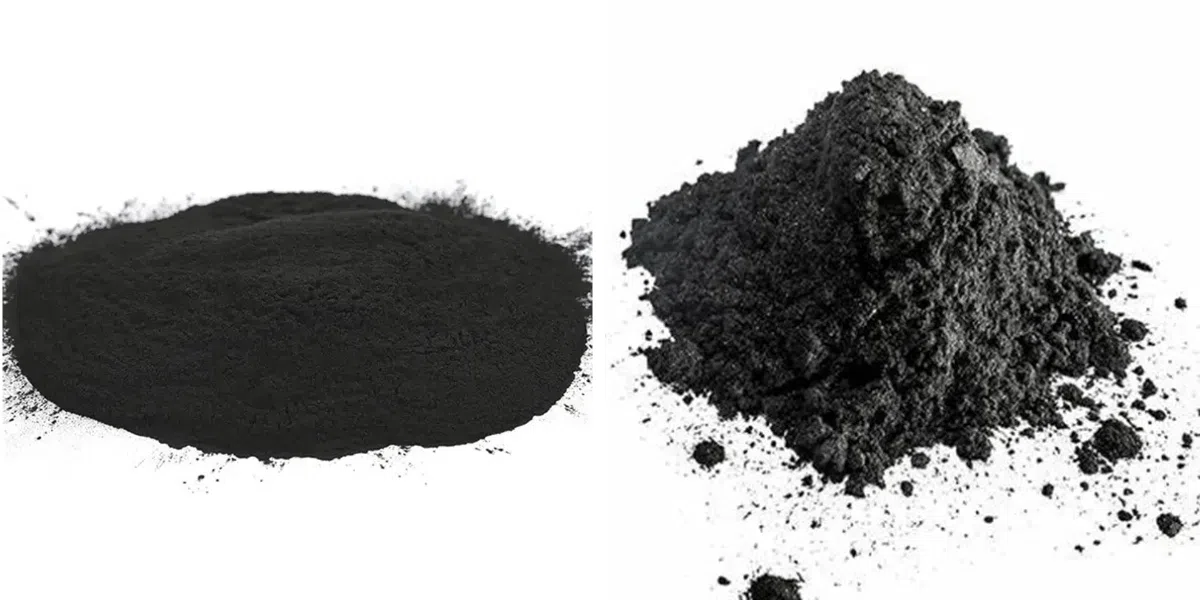
Palladium is typically a silvery-white metal in bulk form. Finely divided material can appear dark gray or black because of its particle size and surface characteristics. Commercial products may be supplied as powder, sponge, granules, foil, or other shapes, depending on the intended use. These forms are not interchangeable in every process: powders offer a different surface-area profile from bulk metal, while shaped materials may be more suitable for fabrication or electrical applications.
In industrial chemistry, palladium is used in catalytic systems for selected organic reactions and in processes that require controlled surface activity. It is also used in electronics, electrical contacts, and specialized metal components. For catalytic applications, it is important to distinguish elemental palladium from supported catalysts and palladium salts, because the metal loading, support material, oxidation state, and preparation method can significantly influence performance.
Material selection should begin with the intended form and required purity. For powder or sponge applications, particle characteristics and metallic assay may be important; for shaped products, dimensions and physical integrity can be more relevant. The appropriate specification depends on the process rather than on the elemental name alone.
Chemical Properties
| Property | Details |
|---|---|
| Product Name | Palladium |
| Chemical Symbol | Pd |
| CAS Number | 7440-05-3 |
| Atomic Number | 46 |
| Relative Atomic Mass | Approximately 106.42 |
| IUPAC Name | Palladium |
| Chemical Class | Transition metal; platinum-group metal |
| Molecular Formula | Pd |
| InChI | InChI=1S/Pd |
| InChIKey | KDLHZDBZIXYQEI-UHFFFAOYSA-N |
| Appearance | Silvery-white metal in bulk form; finely divided material may appear gray to black |
| Density | Approximately 12.0 g/cm³ at room temperature |
| Melting Point | Approximately 1,555°C |
| Boiling Point | Approximately 2,960°C; reported values may vary by reference |
| Water Solubility | Insoluble in water |
| Electrical Properties | Electrically conductive |
| Catalytic Characteristics | Supports selected surface-catalyzed reactions, including hydrogenation |
| Common Commercial Forms | Powder, sponge, granules, foil, and other metallic forms |
| Main Application Areas | Catalysis, chemical processing, electronics, and specialized metal applications |
Product Applications
1. Catalytic Hydrogenation
Palladium is used in selected hydrogenation reactions in which unsaturated chemical groups are converted under controlled conditions. Activity depends on the metal's surface characteristics, reaction medium, temperature, pressure, and substrate.
2. Organic Chemical Synthesis
Palladium-based catalytic systems are used in selected organic transformations, including reactions that form carbon–carbon or carbon–heteroatom bonds. The required palladium form and catalytic system depend on the reaction chemistry and process design.
3. Chemical Process Catalysis
Palladium can be incorporated into catalytic systems for industrial chemical production where selective conversion is required. Process developers evaluate catalyst activity, selectivity, metal recovery, and stability under the intended operating conditions.
4. Electrical Contacts and Electronic Components
Palladium is used in selected electrical contact materials, electronic components, and specialized conductive applications. Suitability depends on electrical requirements, contact conditions, surface finish, and the component's operating environment.
5. Metallic Coatings and Surface Engineering
Palladium can be used in specialized coating and surface-finishing processes where its metallic properties are useful. The selected deposition method and coating specification depend on the substrate, required thickness, and end-use performance.
6. Precious-Metal Materials Research
Palladium serves as a reference metal and research material for studying catalytic surfaces, hydrogen interaction, and metal behavior. Researchers select the appropriate form and purity according to the experimental method and analytical requirements.
FAQ
Q1: What is Palladium CAS 7440-05-3?
Palladium is a metallic element with the symbol Pd and atomic number 46. Its CAS number is 7440-05-3, and its relative atomic mass is approximately 106.42.
Q2: Is palladium a catalyst or a chemical compound?
Palladium is an element, not a compound. It can function as a catalyst or as a component of a catalytic system, but the catalytic performance depends on its physical form and the reaction conditions.
Q3: What is the difference between palladium metal and palladium on carbon?
Palladium metal refers to elemental Pd. Palladium on carbon is a supported material in which palladium is dispersed on a carbon carrier; its overall composition and properties differ from those of unsupported metal.
Q4: Is palladium soluble in water?
Metallic palladium is insoluble in water. Its behavior in other chemical environments depends on the reagents and conditions involved.
Q5: Which properties matter when selecting palladium for industrial use?
The key considerations depend on the application. Metallic purity and physical form are fundamental, while particle size and surface area are particularly important for catalytic use; dimensions and physical integrity may be more important for fabricated components.
Q6: Does every palladium product have the same catalytic activity?
No. Catalytic behavior can differ significantly with particle size, exposed surface area, purity, dispersion, support material, and reaction conditions. Elemental identity alone does not establish the performance of a finished catalyst.


