
Product Description
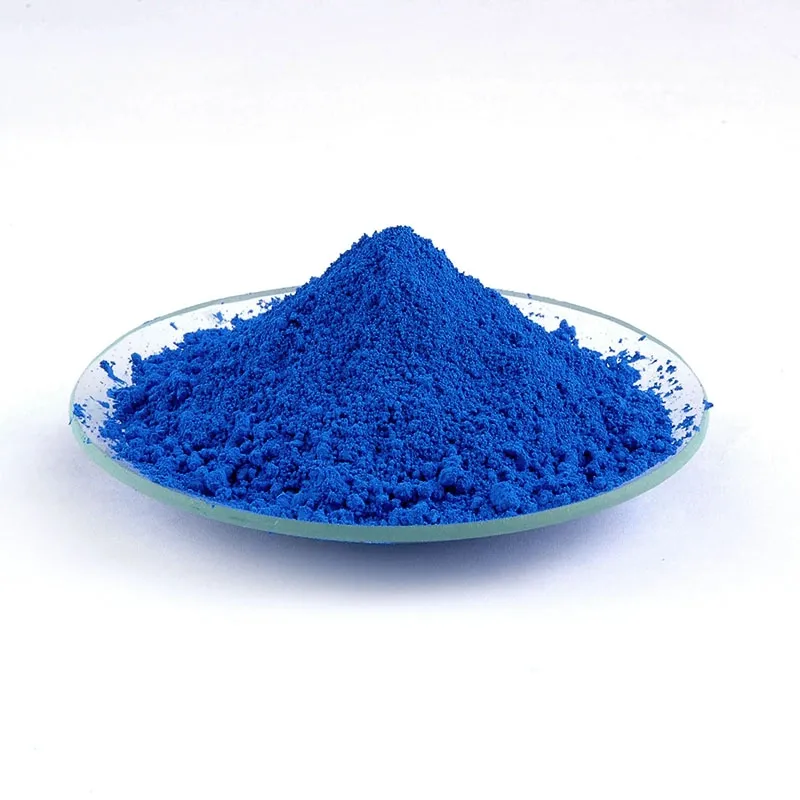
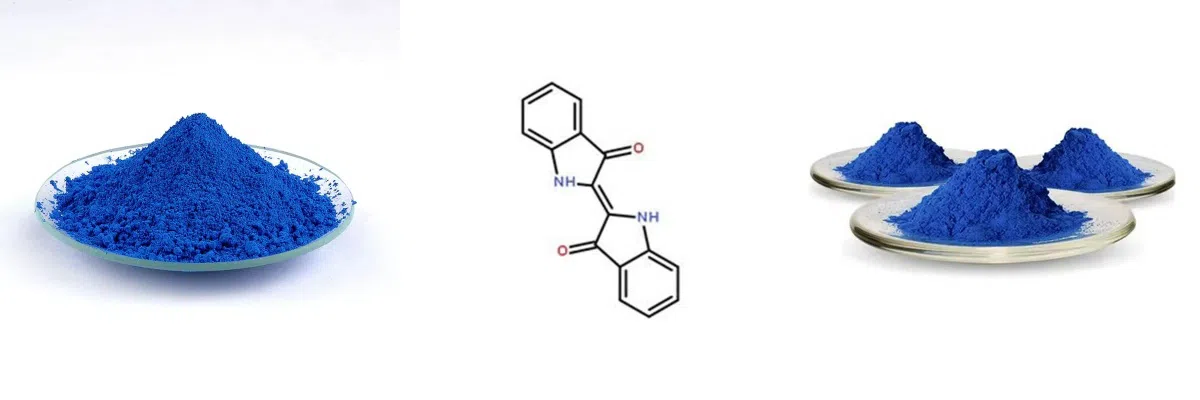
Indigo, C.I. Vat Blue 1 (Color Index No.73000), is one of the oldest and most well-known vat dyes with over 3,000 years of application history. The famous remark from Warring States philosopher Xun Kuang, “Blue is obtained from indigo plants yet is bluer than the plant itself”, originates from ancient indigo dyeing craft. In this quotation, “qing” refers to blue colour while “lan” denotes indigo-bearing raw plants for dye extraction. Indigo dyeing technology was already widely practiced across China before the Qin and Han dynasties. Natural indigo was originally extracted from plant fermentation; modern commercial indigo is mostly synthetic powder, which maintains the classic deep blue shade and is globally famous for denim textile dyeing besides food colouring use.
Core Chemical Properties
| Melting point | >300 °C(lit.) |
| Boiling point | 405.51°C (rough estimate) |
| Density | 1.01 g/mL at 20 °C |
| Vapor pressure | 0Pa at 100℃ |
| Refractive index | 1.5800 (estimate) |
| Fp | >220℃ |
| Storage temp. | Sealed in dry,Room Temperature |
| Solubility | DMSO (Slightly, Heated, Sonicated), DMF (Slightly) |
| Form | Powder |
| Colour Index | 73000 |
| Pka | -3.83±0.20(Predicted) |
| Color | Dark blue to violet |
| Water Solubility | <0.1 g/100 mL |
| Merck | 144,943 |
| BRN | 88275 |
| Stability | Stable. Incompatible with strong oxidizing agents. |
| InChIKey | COHYTHOBJLSHDF-BUHFOSPRSA-N |
| LogP | 2.7 at 23℃ |
| CAS DataBase Reference | 482-89-3(CAS DataBase Reference) |
| NIST Chemistry Reference | c.i. Vat blue 1(482-89-3) |
| EPA Substance Registry System | C.I. Vat Blue 1 (482-89-3) |
Safety Information
| Hazard Codes | Xi,Xn |
| Risk Statements | 36/38-36/37/38-48/20/21/22 |
| Safety Statements | 26-36 |
| RIDADR | UN 3264 8/PG 3 |
| WGK Germany | 1 |
| RTECS | DU2988400 |
| HS Code | 32041510 |
| Hazardous Substances Data | 482-89-3(Hazardous Substances Data) |
| Toxicity | LD50 oral in mouse: > 32gm/kg |
Product Applications
Indigo has dual major application fields: textile vat dyeing and regulated food colouration. In textile industry, it is the core dye for blue denim fabrics, featuring unique colour fading effect after repeated washing. As a permitted food colourant, its usage must comply with national regulatory limits. The maximum permitted dosage is 0.02 g/kg for red and green silk products; 0.10 g/kg for fruit juice/flavoured drinks, carbonated beverages, prepared wines, candies, pastries, colour-coated foods, decorative dyed canned cherries and green plums; 0.01 g/kg for pickled side dishes.