

Product Description
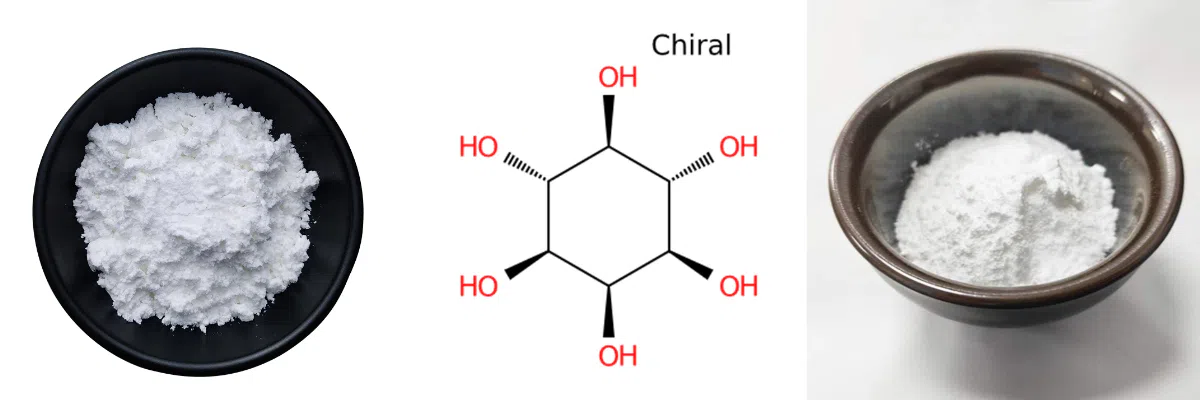
Inositol, CAS 87-89-8, refers to myo-inositol, a cyclic sugar alcohol also known as i-inositol or meso-inositol. Its molecular formula is C₆H₁₂O₆, and its molecular weight is approximately 180.16 g/mol. Unlike conventional sugars, myo-inositol has a six-membered carbon ring with a hydroxyl group attached to each carbon atom.
Myo-inositol occurs naturally in plants, animals, and microorganisms. In biological systems, it contributes to the formation of inositol-containing compounds, including phosphoinositides involved in cellular signaling. This biochemical role makes it relevant to plant science, cell culture, and laboratory research.
For agricultural and plant-related applications, myo-inositol is used in certain plant tissue culture media and may be evaluated in studies of plant growth and cellular metabolism. Its suitability in a particular medium depends on the plant species, culture protocol, concentration, and compatibility with other nutrients. It should not be assumed to deliver a specific crop-yield or stress-resistance benefit without supporting test data.
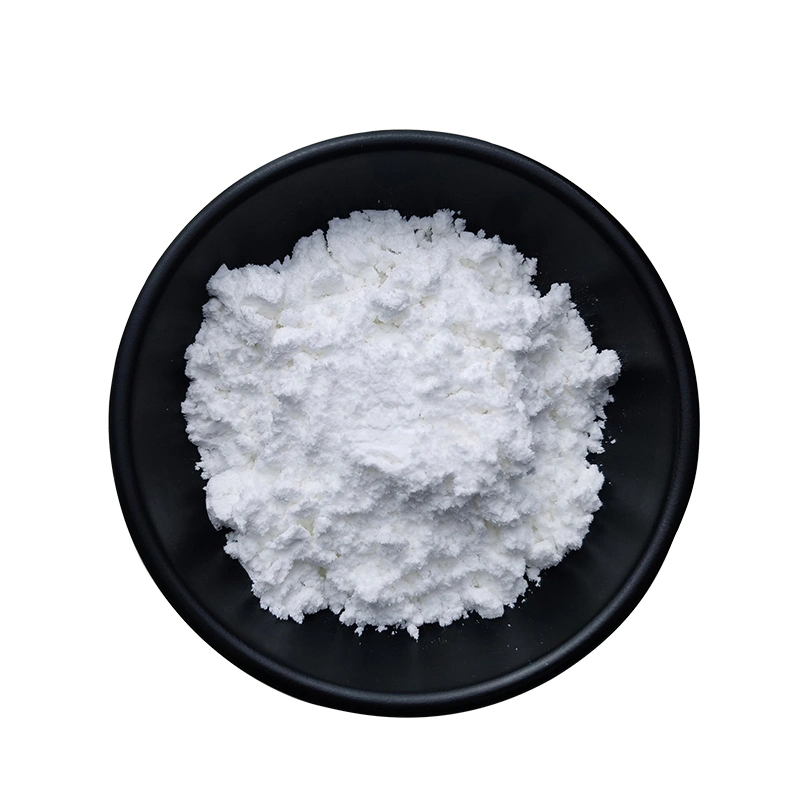
Commercial myo-inositol is typically supplied as a white crystalline powder and is soluble in water. These characteristics support its use in aqueous laboratory preparations and selected nutritional or specialty formulations. However, the required quality grade can differ significantly between plant tissue culture, food, nutritional, and industrial applications.
When sourcing Inositol CAS 87-89-8, buyers should confirm the isomer identity, assay, moisture limits, relevant impurity specifications, and intended-use grade. The CAS number is particularly useful for distinguishing myo-inositol from other inositol stereoisomers that may have different chemical or biological characteristics.
Inositol Chemical Properties
| Property | Details |
|---|---|
| Product Name | Inositol |
| Specific Isomer | Myo-Inositol |
| CAS Number | 87-89-8 |
| Molecular Formula | C₆H₁₂O₆ |
| Molecular Weight | 180.16 g/mol |
| Common Synonyms | i-Inositol; meso-Inositol; Myo-Inositol |
| IUPAC Name | (1R,2S,3r,4R,5S,6s)-Cyclohexane-1,2,3,4,5,6-hexol |
| Chemical Class | Cyclic sugar alcohol; polyol |
| Appearance | White crystalline powder or crystals |
| Melting Point | Approximately 222–227°C, depending on reference and test method |
| Water Solubility | Soluble in water; reported values vary with temperature and test method |
| Functional Groups | Six hydroxyl groups |
| Chemical Structure | Six-membered carbon ring with six hydroxyl substituents |
| Storage | Store in a tightly closed container in a cool, dry place; follow the supplier's current product documentation |
Technical note: Inositol is a family of stereoisomers, so the product's identity should be confirmed as myo-inositol rather than inferred from the generic name alone. For plant tissue culture or analytical work, confirm the assay and any relevant trace-impurity requirements. If the material will be used in a nutritional or food-related product, verify that the offered grade meets the applicable market requirements.
Product Applications
1. Plant Tissue Culture Media
Myo-inositol is used as a component in certain plant tissue culture media. Its inclusion and concentration should follow the protocol developed for the target species and culture system.
2. Agricultural and Plant Physiology Research
Researchers use myo-inositol to investigate plant metabolism, cellular processes, and inositol-related biochemical pathways. It can also serve as a defined material in experimental studies involving plant nutrition and culture conditions.
3. Cell Culture and Biochemical Research
Because inositol participates in biological processes involving inositol-containing compounds, it is used in selected cell culture and biochemical studies. The appropriate grade depends on the sensitivity and purpose of the experiment.
4. Nutritional Ingredient Formulations
Myo-inositol is used in some nutritional and specialty ingredient products. For these applications, buyers should verify the required purity, documentation, labeling conditions, and applicable food or supplement regulations.
5. Analytical and Specialty Chemical Applications
Myo-inositol may be used as a reference or test compound in analytical work and as a raw material in selected specialty formulations. Suitability should be assessed against the required assay and the specifications of the final product.

FAQ
Q1: What is Inositol CAS 87-89-8?
CAS 87-89-8 identifies myo-inositol, a cyclic sugar alcohol with the molecular formula C₆H₁₂O₆ and molecular weight of approximately 180.16 g/mol.
Q2: Is myo-inositol soluble in water?
Yes. Myo-inositol is soluble in water. The amount that dissolves depends on temperature and test conditions.
Q3: Is Inositol used in agriculture?
Myo-inositol is used in certain plant tissue culture media and plant-related research. Its role in a specific agricultural formulation should be validated for the intended use.
Q4: Are all inositol products the same?
No. Inositol has several stereoisomers. Buyers should confirm that the material is myo-inositol with CAS 87-89-8 and check the relevant product specification.
Q5: What should buyers check before purchasing Inositol?
Verify the isomer, assay, moisture specification, impurity limits, grade, packaging, and batch documentation. Plant tissue culture, nutritional, and general industrial uses may require different quality standards.


