

Product Description
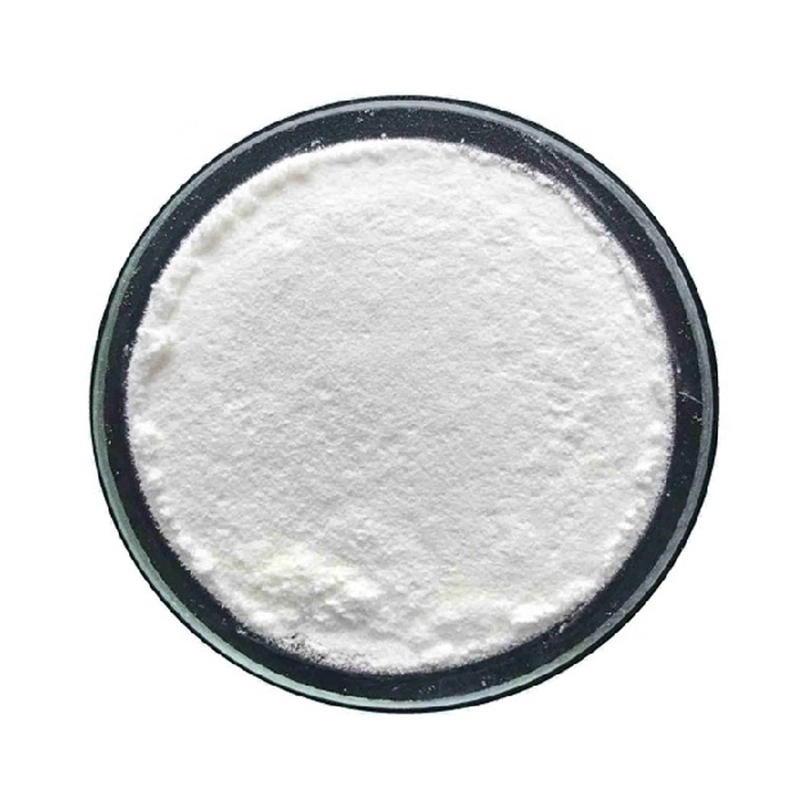
Cesium Iodide (CsI), CAS No. 7789-17-5, is an inorganic ionic compound composed of cesium and iodine. Known for its high density, hygroscopic nature, and useful optical and scintillation properties, cesium iodide is an important material in radiation detection, X-ray imaging, infrared optics, and scientific research.
As a cesium iodide scintillation material, CsI can convert ionizing radiation into detectable light when used in suitable scintillation detector systems. Its relatively high atomic number and density make it useful for applications requiring efficient interaction with high-energy photons, including gamma radiation.
Cesium iodide is also used in selected infrared optical applications, such as IR transmission windows and components for specialized optical instruments. Due to its strong moisture sensitivity, appropriate handling, packaging, and storage are important for maintaining material quality.
For research institutions, optical component manufacturers, and radiation detector developers, Cesium Iodide (CsI) CAS 7789-17-5 is a specialized inorganic material for evaluating scintillation performance, optical transmission, and detector design. Product grade, crystal form, purity, and specifications should be selected according to the intended application.
Chemical Properties
| Property | Details |
|---|---|
| Product Name | Cesium Iodide |
| Chemical Formula | CsI |
| CAS Number | 7789-17-5 |
| Molecular Weight | 259.81 g/mol |
| Chemical Class | Inorganic Ionic Compound; Alkali Metal Halide |
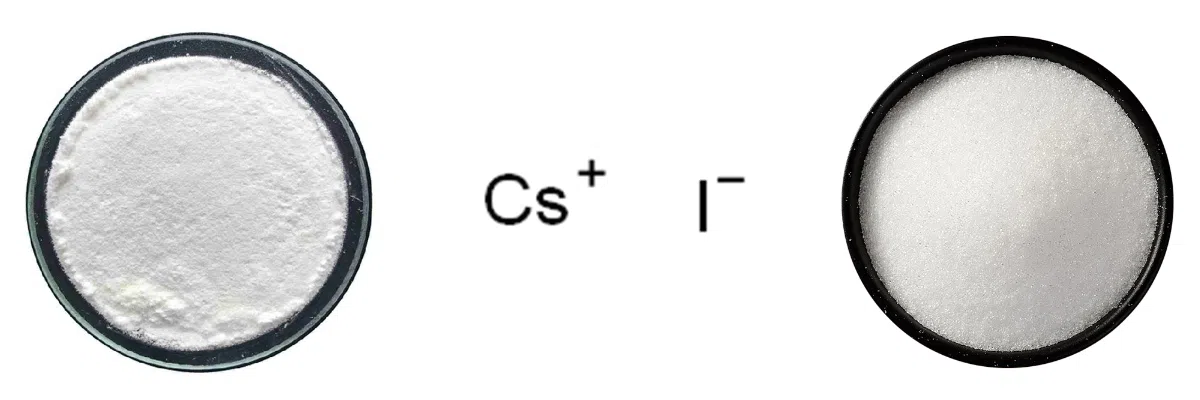
| Appearance | White Solid; Reported Forms Include Beads and Crystalline Material |
| Melting Point | Approximately 626°C |
| Boiling Point | Approximately 1,280°C |
| Density | Approximately 4.51 g/cm³ |
| Refractive Index | Approximately 1.7876 |
| Water Solubility | Approximately 74 g/100 mL at 20°C (Reported Reference Value) |
| Moisture Sensitivity | Hygroscopic; Protect from Moisture |
| Storage Conditions | Store in a tightly sealed, moisture-resistant container under the supplier's recommended conditions |
| Chemical Stability | Stable under recommended storage conditions; moisture exposure may cause deliquescence |
| Typical Material Form | Powder, Beads, or Crystalline Material, Depending on Grade |
Note: The values above are reference data and may vary with material grade, temperature, measurement method, and physical form. Confirm specifications using the manufacturer's current Technical Data Sheet (TDS), Safety Data Sheet (SDS), and batch-specific Certificate of Analysis (COA).
Product Applications
1. X-Ray Imaging and Scintillation Detectors
Cesium Iodide is widely used as a scintillator material in X-ray detection and imaging systems. Depending on crystal composition and detector design, CsI-based materials can convert incident radiation into light for subsequent optical or electronic detection.
2. Radiation Detection and Nuclear Instrumentation
Due to its high density and high atomic number, cesium iodide is suitable for selected gamma-ray detection and radiation measurement applications. It is used in specialized scintillation counters and scientific instruments, with performance depending on crystal quality, detector configuration, and any dopants used.
3. Infrared Optics and Spectroscopy
Cesium Iodide can be used in infrared optical components, including IR transmission windows and selected optical assemblies. Its suitability depends on the required wavelength range, optical quality, environmental conditions, and component design.
4. High-Energy Physics and Scientific Research
CsI scintillation crystals are used in specialized particle physics experiments and electromagnetic calorimeters. Researchers select the appropriate crystal composition and geometry according to requirements for radiation detection, light output, and detector response.
5. Space Research and Specialized Instrumentation
Cesium iodide-based detector materials can be considered for specialized scientific instruments operating in demanding environments. The final choice depends on radiation exposure, mechanical conditions, thermal requirements, and the specifications of the complete detection system.
For purchasing and technical evaluation, customers should confirm the required grade, purity, physical form, crystal specifications, packaging, and relevant quality documentation before ordering.