Product Description
Eucalyptus Oil, identified by CAS No. 8000-48-4, is an aromatic essential oil obtained from eucalyptus plant materials, commonly through steam distillation. It is valued for its fresh, herbal, and camphoraceous odor profile and is widely used as a fragrance ingredient in personal care, household products, and selected flavor and fragrance formulations.
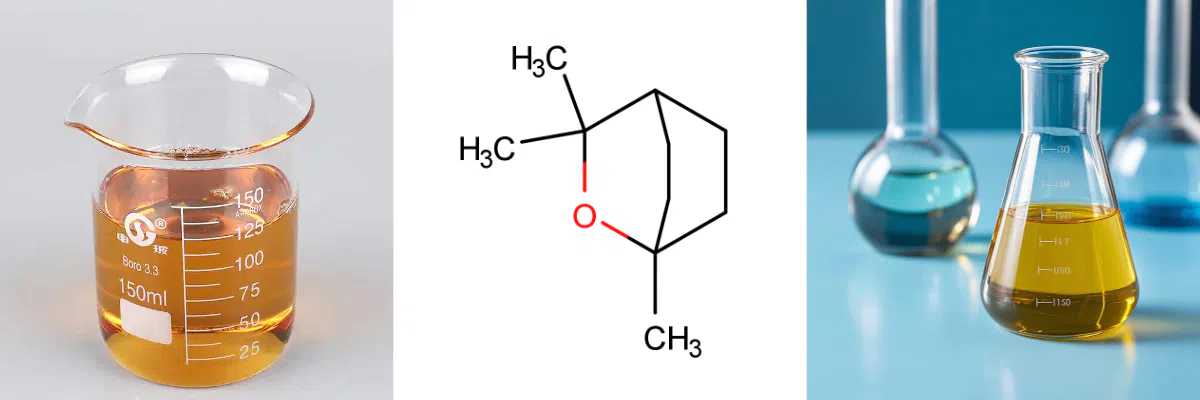
The composition of Eucalyptus Essential Oil varies according to the botanical species, plant origin, extraction process, and product grade. Many commercial grades contain 1,8-cineole (eucalyptol) as a major constituent, although the actual concentration should be verified through the supplier's product specifications and analytical data.
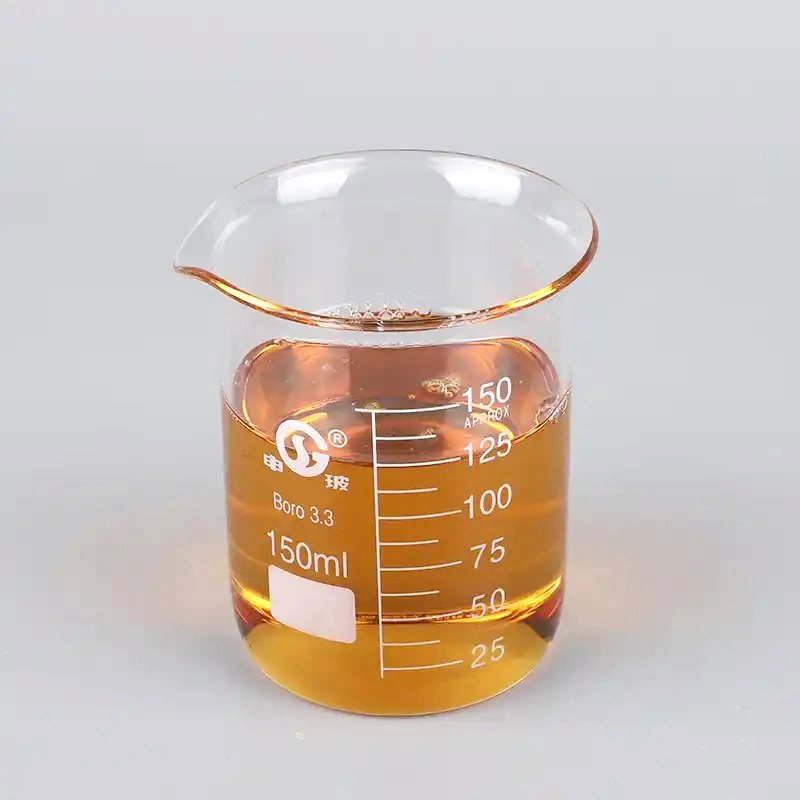
Eucalyptus Oil is commonly supplied as a colorless to pale yellow liquid with a characteristic aromatic odor. Its fragrance profile makes it suitable for evaluating in soaps, shampoos, oral care products, cleaning formulations, and perfumery applications. Compatibility, recommended dosage, and regulatory requirements should be assessed according to the intended end product.
For manufacturers and distributors sourcing Eucalyptus Oil CAS 8000-48-4, important purchasing considerations include botanical identity, 1,8-cineole content, appearance, odor profile, purity or assay specifications, packaging, and batch consistency.
Chemical Properties
| Property | Details |
|---|---|
| Product Name | Eucalyptus Oil |
| Synonyms | Eucalyptus Essential Oil; Oil of Eucalyptus |
| CAS Number | 8000-48-4 |
| Product Type | Natural Essential Oil; Complex Botanical Mixture |
| Main Characteristic Constituent | 1,8-Cineole (Eucalyptol), depending on grade |
| Molecular Formula | No single molecular formula; composition varies |
| Molecular Weight | No single molecular weight; depends on the constituent |
| Appearance | Typically a clear, colorless to pale yellow liquid |
| Odor | Fresh, herbal, camphoraceous |
| Density | Approximately 0.905–0.925 g/mL at 20°C, depending on grade |
| Refractive Index | Approximately 1.458–1.470 at 20°C, depending on grade |
| Boiling Point | Reported values vary with composition; approximately 175–200°C in reference sources |
| Solubility | Practically insoluble in water; soluble in ethanol to a grade-dependent extent |
| Volatility | Volatile essential oil |
| Storage Conditions | Store in a tightly closed, compatible container, protected from heat, light, and excessive air exposure; follow the supplier's SDS |
| Chemical Stability | Composition and odor may change through oxidation or unsuitable storage conditions |
Note: These are general reference properties, not guaranteed specifications for every Eucalyptus Oil grade. Confirm the exact botanical source, assay, physical properties, flash point, storage requirements, and safety classification using the current supplier TDS, SDS, and batch-specific COA.
Product Applications
1. Fragrance and Perfumery
Eucalyptus Oil is used in fragrance compositions that require a fresh, herbal, or camphoraceous character. It can be evaluated in aromatic blends, functional fragrances, and household fragrance products.
2. Personal Care and Cosmetics
Eucalyptus Essential Oil can be considered for suitable personal care formulations, including soaps, shampoos, shower gels, and selected body care products. Formulators should assess skin compatibility, fragrance stability, recommended use levels, and applicable cosmetic regulations.
3. Oral Care and Flavor Formulations
Selected grades of Eucalyptus Oil are used in oral care and flavor applications, including toothpaste, mouthwash, and other products where permitted. Only grades meeting the relevant food or oral care specifications should be used, with compliance verified for the destination market.
4. Household and Cleaning Products
The characteristic scent of Eucalyptus Oil makes it useful in household cleaning formulations, detergents, and air-care products. Its compatibility with surfactants, solvents, and other fragrance ingredients should be evaluated during formulation development.
5. Aromatic Blends and Essential Oil Formulations
Eucalyptus Oil is used in essential oil blends and aromatic compositions. Its odor profile can complement other herbal, woody, and fresh fragrance notes, depending on the desired fragrance direction.
FAQ
Q1: What is the CAS number of Eucalyptus Oil?
The commonly used CAS number for Eucalyptus Oil is 8000-48-4.
Q2: What is the main component of Eucalyptus Oil?
Many commercial grades contain 1,8-cineole (eucalyptol) as a major constituent. The actual content varies by botanical source and grade and should be confirmed using the product's analytical specifications.
Q3: Is Eucalyptus Oil soluble in water?
Eucalyptus Oil is generally practically insoluble in water. Its compatibility with ethanol, solubilizers, and other formulation ingredients should be assessed under the intended processing conditions.
Q4: How should Eucalyptus Oil be stored?
Store it in a tightly sealed, compatible container away from excessive heat, light, and air exposure. Always follow the storage and handling instructions in the supplier's current SDS.
Q5: What information should buyers request?
Buyers should confirm botanical species, country of origin, extraction method, 1,8-cineole assay where applicable, physical specifications, packaging, SDS, TDS, and batch-specific COA.
For product specifications, available grades, packaging options, and technical documentation, contact our team for further information.