

Product Description
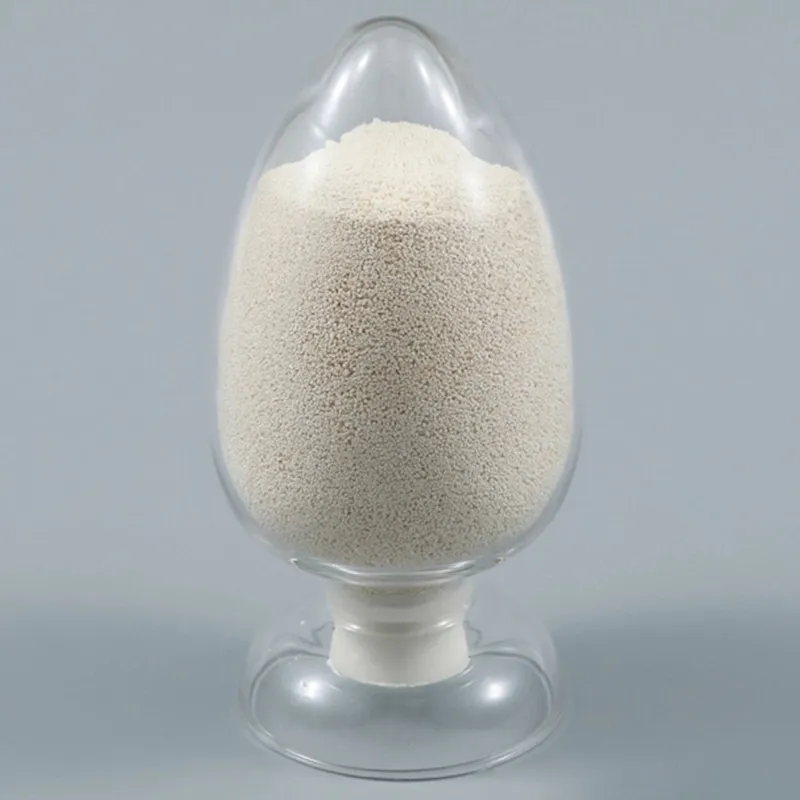
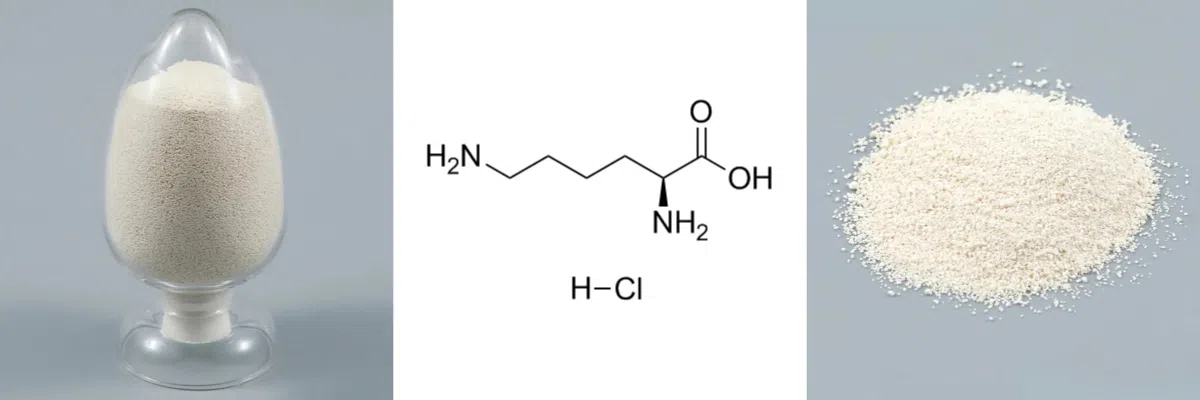
L-Lysine Hydrochloride (CAS 657-27-2) is the monohydrochloride salt of L-lysine, an essential amino acid involved in protein synthesis. It is generally supplied as a white or nearly white crystalline powder and is valued when a defined, water-soluble lysine salt is required.
The hydrochloride salt has a molecular formula of C₆H₁₅ClN₂O₂ and a molecular weight of approximately 182.65 g/mol. Because its composition differs from that of free L-lysine, buyers should check whether specifications and dosage calculations are expressed on a salt basis or an L-lysine equivalent basis.
This material may be considered for nutritional formulations, biochemical research, and selected pharmaceutical development or manufacturing processes, provided the supplied grade is appropriate for the intended purpose. Before procurement, confirm the assay method, moisture limit, impurity profile, packaging, and required quality documentation. Pharmaceutical or food-related use requires verification of the relevant grade and applicable market regulations.
Chemical Properties
| Property | Details |
|---|---|
| Product Name | L-Lysine Hydrochloride |
| CAS Number | 657-27-2 |
| Molecular Formula | C₆H₁₅ClN₂O₂ |
| Molecular Weight | 182.65 g/mol |
| Chemical Name | L-Lysine Monohydrochloride |
| Synonyms | L-Lysine HCl; Lysine Hydrochloride |
| IUPAC Name | (2S)-2,6-Diaminohexanoic Acid Hydrochloride |
| Chemical Category | Amino Acid Hydrochloride Salt |
| Appearance | Typically a white or nearly white crystalline powder |
| Solubility | Soluble in water |
| Odor | Generally odorless or nearly odorless |
| Functional Groups | Amino groups and a carboxylic acid group in the lysine component |
| Storage | Keep tightly closed in a dry, appropriately controlled storage environment and follow the supplied SDS and product label |
Product Applications
1. Nutritional Formulations
Used as a source of L-lysine in suitable nutritional products where the hydrochloride form is specified. Formulation calculations should account for the salt form and the product's assay.
2. Pharmaceutical Development
May be used in pharmaceutical research or manufacturing processes when the material meets the required grade, specification, and regulatory conditions. Suitability should be confirmed before use in regulated products.
3. Biochemical Research
Applied in studies involving amino acid chemistry, protein-related processes, and the preparation of defined lysine-containing solutions.
4. Laboratory and Analytical Work
Used in analytical procedures, sample preparation, and research protocols requiring a characterized L-lysine hydrochloride material.
5. Specialty Formulation Processing
Can serve as a lysine source in selected formulations where water solubility and a specified hydrochloride salt form are required. Compatibility and dosage should be evaluated for the particular formulation.
FAQ
Q1: What is the CAS number of L-Lysine Hydrochloride?
A: The CAS number is 657-27-2.
Q2: What are its molecular formula and molecular weight?
A: The molecular formula is C₆H₁₅ClN₂O₂, and the molecular weight is approximately 182.65 g/mol.
Q3: Is L-Lysine Hydrochloride the same as free L-lysine?
A: No. L-Lysine Hydrochloride is the monohydrochloride salt of L-lysine. The two forms have different molecular weights and should not be treated as interchangeable when calculating formulation quantities.
Q4: Is L-Lysine Hydrochloride soluble in water?
A: Yes. It is water-soluble and can be used to prepare aqueous solutions under suitable conditions.
Q5: What should be checked when selecting a grade?
A: Review the assay basis, moisture content, impurity limits, intended use, and any applicable quality or regulatory requirements.
Q6: What documents should be requested before purchase?
A: Request the current technical data sheet, batch-specific certificate of analysis, and safety data sheet. For regulated applications, also verify that the supplied grade meets the relevant standards for the intended market.


