

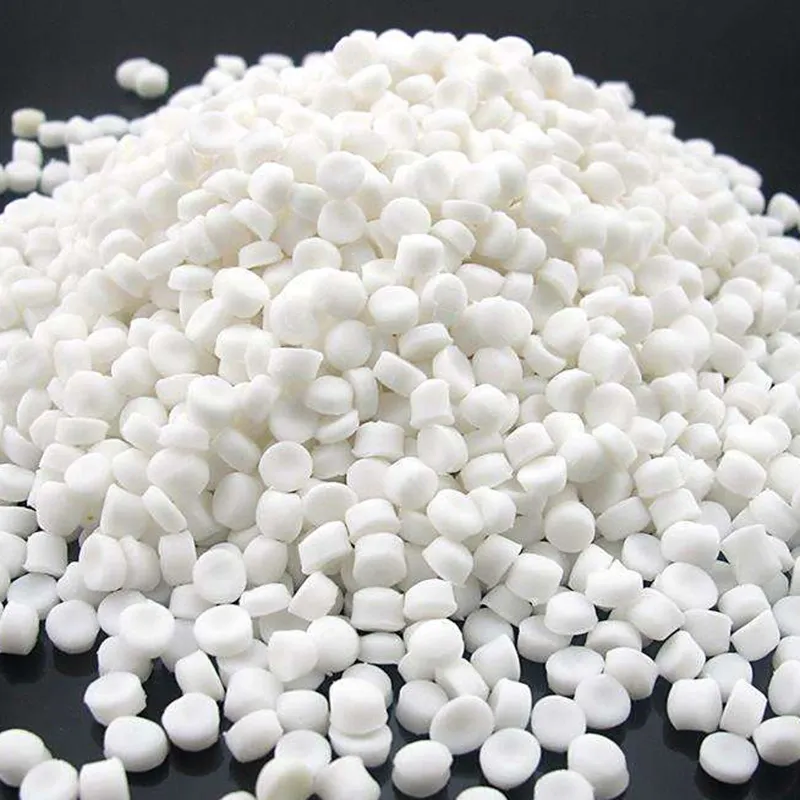
Product Description
Polyamide Resin, CAS 63428-84-2, refers to a polymeric material characterized by repeating amide linkages in its molecular structure. In industrial supply, products associated with this CAS include polyamide resin grades used in epoxy curing systems, adhesives, coatings, and sealing materials. The exact composition and performance depend on the particular resin type and manufacturing specification.
In epoxy formulations, suitable polyamide resins function as curing agents or curing components. Their reaction with epoxy resin helps develop a crosslinked network, while the resulting material properties depend on the resin-to-curing-agent ratio, formulation additives, curing temperature, and curing time. The finished system may be designed for adhesion, toughness, protective film formation, or sealing performance.
Polyamide resin grades are not interchangeable solely because they share the same general name. Differences in viscosity, amine value, acid value, color, and molecular composition can influence handling, compatibility, pot life, and final coating or adhesive performance. Some products are supplied as liquids, while other polyamide materials may be supplied in different physical forms.
Before selecting this material, confirm whether the required grade is intended for epoxy curing, adhesive resin manufacture, coating formulation, or another application. Check the technical specification for viscosity, amine value, acid value, color, and any stated curing recommendations. A supplier-issued Certificate of Analysis (COA), Technical Data Sheet (TDS), and Safety Data Sheet (SDS) should be used to verify the actual product rather than relying on the generic term “polyamide.”
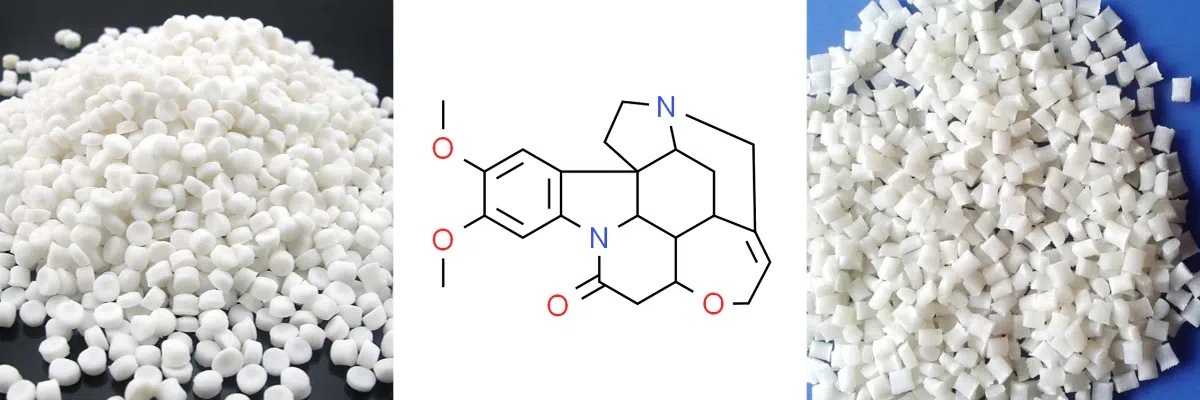
Chemical Properties
| Property | Details |
|---|---|
| Product Name | Polyamide Resin |
| CAS Number | 63428-84-2 |
| Chemical Class | Polyamide polymer / resin; exact type depends on grade |
| General Structural Feature | Repeating amide linkages, –CO–NH– |
| General Structural Representation | [–NH–R–CO–]ₙ; simplified representation only |
| Molecular Formula | No single universal formula for the polymer class; depends on composition |
| Molecular Weight | Not a single fixed value; depends on polymer structure and grade |
| Appearance | Grade-dependent; some commercial resin products are transparent to yellowish liquids or pale-yellow solids |
| Viscosity | Product-specific; confirm the value and test temperature in the supplier's TDS |
| Amine Value | Grade-dependent; relevant when the material is supplied as an epoxy curing agent |
| Acid Value | Grade-dependent; check the supplier's specification |
| Softening Point | Applicable to certain solid resin grades; not a universal property of all polyamides |
| Solubility | Depends on polymer chemistry and grade; verify compatibility with the intended solvent or formulation |
| Main Functional Characteristics | Film formation, adhesion, and curing performance in suitable resin systems |
| Typical Storage | Keep in the original, tightly closed container and follow the supplier's SDS and storage instructions |
Polyamide is a broad polymer category, so appearance and numerical properties should not be generalized across all grades. Use the actual product specification and COA for acceptance criteria.
Product Applications
1. Epoxy Resin Curing Systems
Selected polyamide resin grades are used as curing agents for epoxy formulations. The appropriate grade and mixing ratio depend on the epoxy resin type, desired working time, curing conditions, and required final properties.
2. Industrial Adhesives
Polyamide resin can be used in adhesive systems where bonding performance and toughness are important. Substrate type, surface preparation, and formulation compatibility should be evaluated before production use.
3. Protective and Industrial Coatings
Certain polyamide-based resin systems are used in coating formulations to help develop an adherent film. The coating's chemical resistance, flexibility, and durability depend on the complete formulation and curing process.
4. Sealants and Cable Sealing Compounds
Suitable polyamide resin grades may be incorporated into sealing compounds and selected cable-sealing materials. The final formulation must meet the required adhesion, flexibility, environmental resistance, and electrical-use specifications where applicable.
5. Printing Inks and Specialty Resin Formulations
Some polyamide resins are used in printing inks, overprint varnishes, and related coating formulations. These applications require a grade specifically designed for the relevant ink system, solvent package, substrate, and drying process.
FAQ
Q1: What is Polyamide Resin CAS 63428-84-2 used for?
A: Products associated with this CAS are used in selected epoxy curing systems, adhesives, coatings, sealants, and other specialty resin formulations. Confirm the intended application for the exact grade supplied.
Q2: Is Polyamide Resin the same as Nylon?
A: Nylon is a type of polyamide, but the term “polyamide” covers a much broader range of materials. A polyamide resin used as an epoxy curing agent should not automatically be treated as nylon resin or nylon fiber.
Q3: Can this Polyamide Resin be used as an epoxy curing agent?
A: Certain grades are designed for epoxy curing. Verify the supplier's product specification, recommended mixing ratio, compatibility, and curing conditions before use.
Q4: Does Polyamide Resin have a fixed molecular formula or molecular weight?
A: Not as a general polymer category. The structure and molecular weight depend on the polymer composition and grade, so a single formula or molecular weight should not be assumed for every product sold as polyamide resin.
Q5: Which specifications should be checked before ordering?
A: Confirm the intended grade, appearance, viscosity, amine value, acid value, softening point where applicable, packaging, and recommended application. Request the current COA, TDS, and SDS to verify the material against your requirements.


