

Product Description
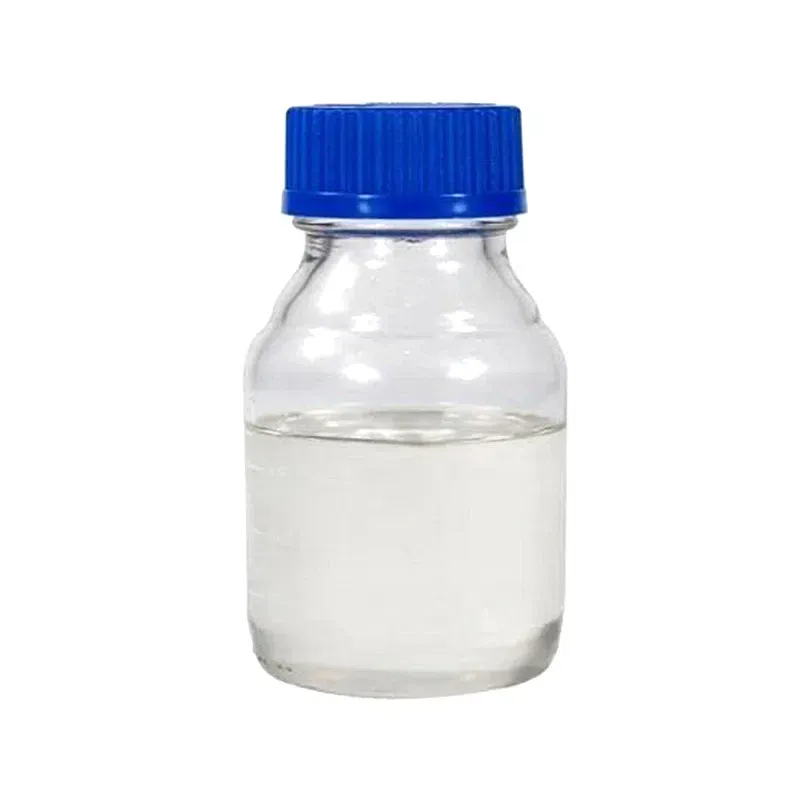
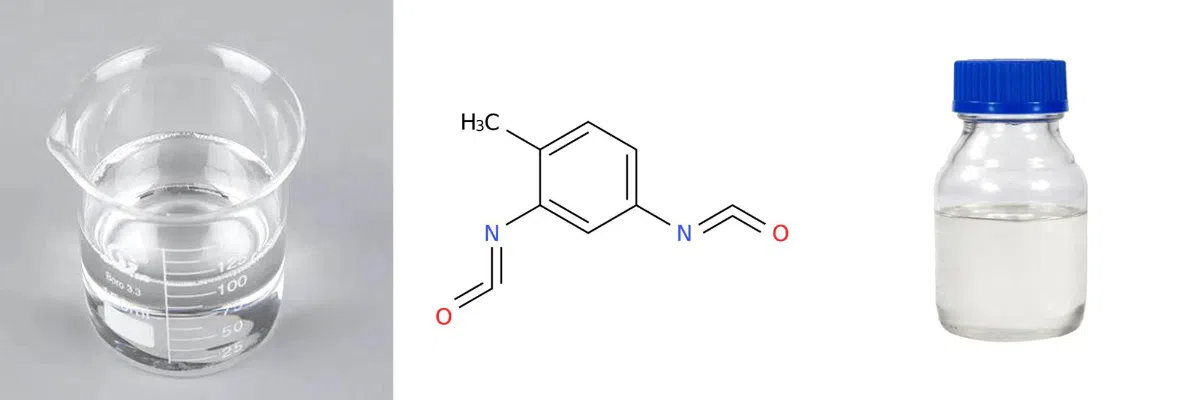
Tolylene-2,4-diisocyanate, commonly known as 2,4-toluene diisocyanate or 2,4-TDI, is an aromatic diisocyanate identified by CAS number 584-84-9. Its molecular formula is C₉H₆N₂O₂, and its molecular weight is approximately 174.16 g/mol. The molecule consists of a methyl-substituted benzene ring bearing two isocyanate groups at the 2- and 4-positions.
The two isocyanate groups are the principal reactive sites of the compound. They react with hydroxyl groups to form urethane linkages, providing the chemical basis for using TDI in polyurethane production. The resulting material properties depend on the selected polyol, formulation balance, reaction conditions, catalysts, and processing method. The performance of a finished polyurethane cannot be inferred from the diisocyanate alone.
In industrial manufacturing, 2,4-TDI is associated particularly with flexible polyurethane foam production. It is also used in selected polyurethane elastomer, coating, adhesive, and sealant systems where the formulation has been designed for the relevant isocyanate chemistry. Each application requires appropriate control of reaction conditions and the properties of the finished material.
A critical purchasing distinction is the isomer composition. The individual 2,4-TDI isomer has a different specification from commercial TDI grades that contain both 2,4- and 2,6-isomers. These products should not be described interchangeably. Buyers should verify whether the material is a single-isomer product or a defined mixture, along with its assay and applicable impurity limits.
TDI requires stringent occupational exposure controls because inhalation or contact can cause serious health effects, including respiratory sensitization and asthma. It should be handled only by trained personnel using the controls, protective equipment, and emergency procedures specified in the current safety documentation. Industrial suitability and safe use depend on the facility, process design, and applicable regulations.
Chemical Properties
| Property | Details |
|---|---|
| Product Name | Tolylene-2,4-diisocyanate |
| Common Name | 2,4-Toluene Diisocyanate |
| Abbreviation | 2,4-TDI |
| CAS Number | 584-84-9 |
| IUPAC Name | 2,4-Diisocyanato-1-methylbenzene |
| Molecular Formula | C₉H₆N₂O₂ |
| Molecular Weight | Approximately 174.16 g/mol |
| Chemical Class | Aromatic diisocyanate |
| Functional Groups | Two isocyanate groups (–NCO) |
| Appearance | Colorless to pale-yellow liquid or solid depending on temperature and material conditions |
| Melting Point | Approximately 22–23°C for the 2,4-isomer; verify the supplied grade |
| Boiling Point | Approximately 251°C at atmospheric pressure; reported values may vary by source and conditions |
| Water Reactivity | Reacts with water, potentially releasing carbon dioxide and forming urea-containing products |
| Primary Industrial Role | Reactive intermediate for polyurethane production |
| Isomer Specification | Confirm whether the supplied material is the 2,4-isomer or a defined 2,4-/2,6-TDI mixture |
| Storage and Handling | Follow the product-specific SDS and applicable requirements for moisture exclusion, ventilation, containment, and occupational exposure control |
Product Applications
1. Flexible Polyurethane Foam Production
2,4-TDI is used as a reactive raw material in polyurethane foam manufacturing. Foam properties depend on the polyol system, isocyanate index, additives, processing conditions, and the specified TDI composition.
2. Polyurethane Elastomers
Selected elastomer formulations use TDI-based chemistry to develop materials with defined mechanical properties. The appropriate isomer composition and reaction process depend on the target application and performance requirements.
3. Polyurethane Coatings
TDI chemistry is used in certain polyurethane coating systems where the formulation requires isocyanate reactivity. Compatibility, curing behavior, film properties, and exposure controls must be assessed for the specific process.
4. Adhesive and Sealant Development
TDI may be used as a reactive intermediate in selected polyurethane adhesive and sealant systems. Product design must account for moisture sensitivity, cure conditions, substrate compatibility, and the requirements of the intended end use.
5. Industrial Polyurethane Research
The defined structure of 2,4-TDI makes it relevant to research on isocyanate reactions, polyurethane synthesis, and process optimization. Laboratory and pilot-scale work requires suitable engineering controls and procedures for handling reactive isocyanates.
FAQ
Q1: What is Tolylene-2,4-diisocyanate CAS 584-84-9?
It is an aromatic diisocyanate also known as 2,4-toluene diisocyanate or 2,4-TDI. Its molecular formula is C₉H₆N₂O₂, and its molecular weight is approximately 174.16 g/mol.
Q2: What is 2,4-TDI used for?
Its principal industrial role is as a reactive intermediate in polyurethane production, particularly flexible foams and selected elastomer and coating systems.
Q3: Is 2,4-TDI the same as an 80/20 TDI mixture?
Not necessarily. An 80/20 grade generally refers to a mixture of 2,4- and 2,6-TDI isomers. Confirm the actual isomer composition before selecting or labeling the material.
Q4: Does TDI react with water?
Yes. Isocyanate groups react with water, potentially generating carbon dioxide and other reaction products. Moisture exposure can affect material quality and process behavior, so handling and storage must follow the applicable safety documentation.
Q5: What should buyers verify before purchasing?
Confirm the CAS number, isomer composition, assay, impurity specification, packaging, and current safety documentation. The material must be handled under appropriate industrial exposure controls by trained personnel.


