

Product Description
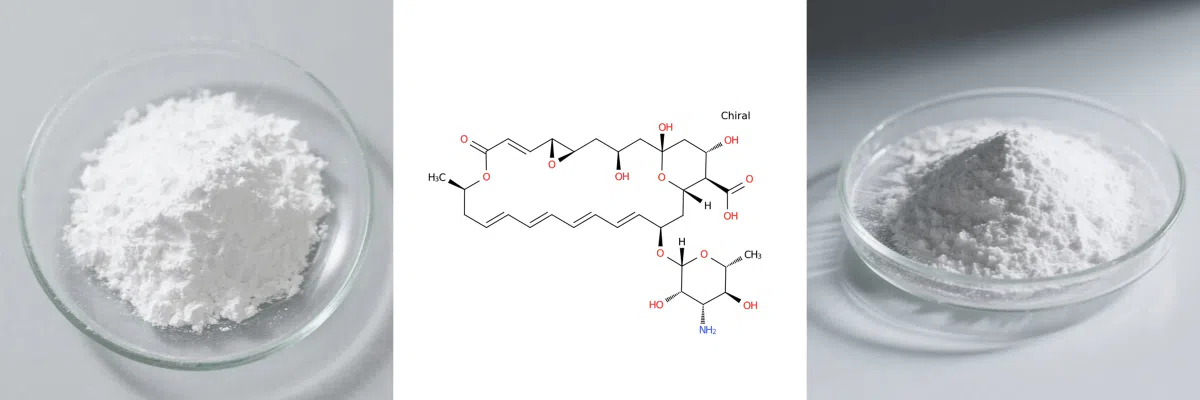
Natamycin (CAS 7681-93-8), also known as pimaricin, is a polyene macrolide antifungal compound with the molecular formula C₃₃H₄₇NO₁₃. It acts against susceptible yeasts and moulds by interacting with ergosterol in fungal cell membranes. Its activity profile makes it particularly relevant to applications where fungal growth needs to be controlled without relying on broad-spectrum antibacterial action.
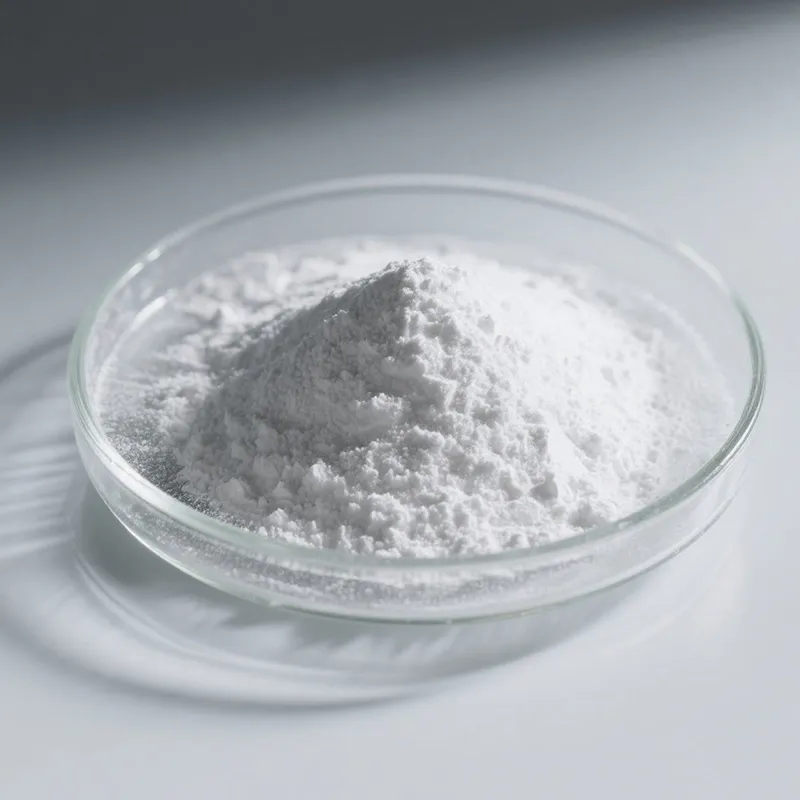
Natamycin is commonly encountered as a cream to yellowish powder, although the exact appearance depends on the grade and processing conditions. It has limited solubility in water, so the preparation method, carrier system, particle distribution, and application technique can influence how effectively it is dispersed and delivered.
One established application is the surface treatment of certain cheeses to help control fungal growth. Other proposed uses must be evaluated separately according to the formulation, product type, and local regulations. Natamycin is not suitable for unrestricted use in every food or pharmaceutical application.
Before purchasing, confirm the assay, moisture content, impurity limits, physical form, packaging, and intended use. For food-related applications, verify that the grade and proposed application comply with the regulations of the destination market. For pharmaceutical or laboratory use, assess the material against the relevant technical and quality requirements.
Chemical Properties
| Property | Details |
|---|---|
| Product Name | Natamycin |
| CAS Number | 7681-93-8 |
| Molecular Formula | C₃₃H₄₇NO₁₃ |
| Molecular Weight | Approximately 665.73 g/mol |
| Chemical Name | Natamycin |
| Synonym | Pimaricin |
| Chemical Category | Polyene Macrolide Antifungal Compound |
| Appearance | Typically a cream to yellowish powder; grade-dependent |
| Water Solubility | Low; exact solubility depends on test conditions |
| Functional Features | Macrolide structure with conjugated polyene system |
| Biological Activity | Antifungal activity against susceptible yeasts and moulds |
| Storage | Store in a tightly closed container under the temperature, humidity, and light conditions specified in the product SDS and label |
Product Applications
1. Cheese Surface Protection
Used in authorized applications to help control the growth of susceptible yeasts and moulds on the surface of certain cheeses. Permitted application methods and maximum levels depend on local regulations.
2. Food Preservation Research
Evaluated in research on fungal spoilage control and surface-treatment systems. Any commercial food use must be confirmed against the applicable food regulations and the specific product category.
3. Antifungal Formulation Development
Used in the development and evaluation of formulations designed to deliver natamycin to target surfaces or other suitable application sites. Dispersion, stability, and release characteristics should be tested for each formulation.
4. Microbiological Research
Used in laboratory studies investigating antifungal activity, fungal susceptibility, and the effects of natamycin on susceptible microorganisms.
5. Analytical and Quality-Control Testing
Used as an analyte or reference material in suitable methods for identity, assay, and residue testing, subject to the method and material-grade requirements.
FAQ
Q1: What is the CAS number of natamycin?
A: The CAS number is 7681-93-8.
Q2: Is pimaricin another name for natamycin?
A: Yes. Pimaricin is a recognized synonym for natamycin.
Q3: What are the molecular formula and molecular weight of natamycin?
A: Its molecular formula is C₃₃H₄₇NO₁₃, and its molecular weight is approximately 665.73 g/mol.
Q4: Is natamycin readily soluble in water?
A: No. Natamycin has low water solubility. Formulation and dispersion methods should be selected according to the intended application and verified experimentally.
Q5: Can natamycin be used in all food products?
A: No. Permitted uses vary by jurisdiction and food category. Confirm the product grade, approved application method, permitted concentration, and destination-market requirements before use.
Q6: What quality information should be confirmed before purchase?
A: Review the assay, moisture content, impurity limits, appearance, packaging, and storage requirements. Request the current technical data sheet, batch-specific certificate of analysis, and safety data sheet.


