

Product Description
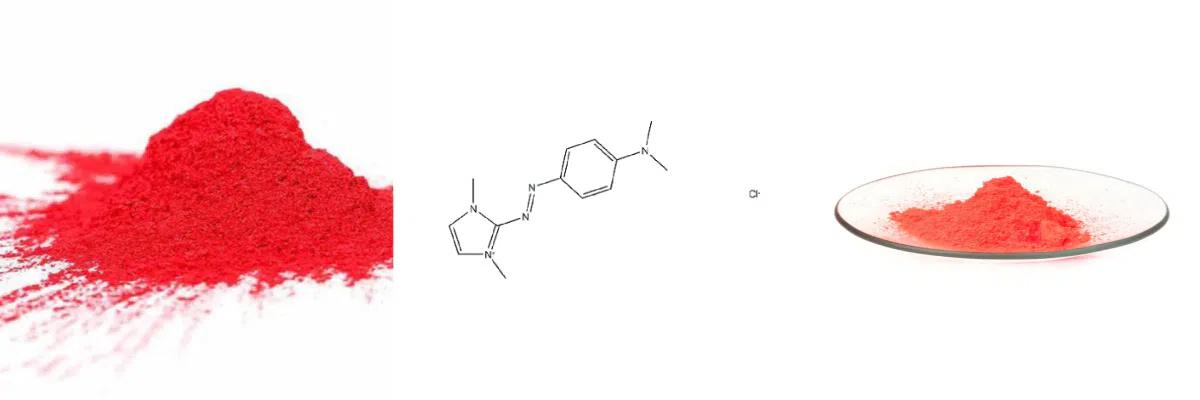
Basic Red 51, CAS 12270-25-6, is a synthetic cationic dye with the molecular formula C₁₃H₁₈ClN₅ and a molecular weight of approximately 279.77 g/mol. Its chemical structure includes a nitrogen-containing chromophore and a chloride counterion. The compound is associated with coloration processes in which ionic interactions between the dye and the substrate influence dye uptake.
One of its principal application areas is acrylic fiber dyeing. During processing, the amount of color absorbed by the fiber and the resulting shade depend on the fiber's composition, available dye-binding sites, bath pH, temperature, dye concentration, and treatment time. These variables can influence both color depth and levelness, so the dyeing recipe should be established through trials using the actual fiber grade.
Basic Red 51 is also reported for use on compatible acrylic blends, selected modified polyester materials, and paper. These applications require separate evaluation because each substrate has different surface and chemical characteristics. A dyeing procedure that performs well on acrylic fiber may not produce equivalent results on paper or modified polyester. Testing should therefore focus on substrate-specific color development, uniformity, and the fastness properties required by the finished product.
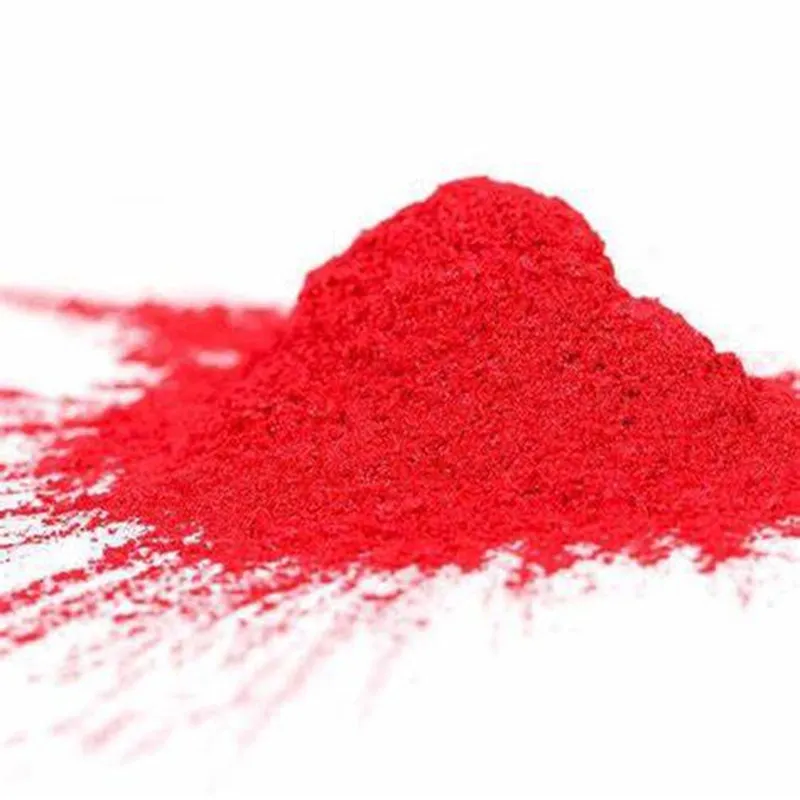
The material is supplied as a solid dye, commonly in powder form. Reference sources report limited water solubility under some conditions, making preparation behavior an important factor when designing the dye bath. Mixing, temperature, concentration, and the composition of the application medium may affect dissolution or dispersion. Small-scale preparation trials can help determine an appropriate method for the intended process.
For textile users, the most relevant selection criteria are reference shade, color strength, dye-bath behavior, and the required light, washing, rubbing, or other fastness performance. Paper-coloring users should focus on shade distribution and compatibility with their particular process. The dye should be selected according to demonstrated performance on the target substrate, with the supplied grade and test results matching the requirements of the intended application.
Chemical Properties
| Property | Details |
|---|---|
| Product Name | Basic Red 51 |
| CAS Number | 12270-25-6 |
| Chemical Class | Cationic dye |
| Molecular Formula | C₁₃H₁₈ClN₅ |
| Molecular Weight | Approximately 279.77 g/mol |
| Chemical Name | 1H-Imidazolium, 2-[(1E)-2-[4-(dimethylamino)phenyl]diazenyl]-1,3-dimethyl-, chloride (1:1) |
| Alternative Name | 4-[(1,3-Dimethylimidazol-1-ium-2-yl)diazenyl]-N,N-dimethylaniline |
| Ionic Structure | Organic cation with chloride counterion |
| Physical Form | Solid, commonly supplied as powder |
| Appearance | Confirm the exact color and physical form against the supplied grade |
| Water Solubility | Limited under some reported conditions; verify preparation behavior for the intended dye bath |
| Main Application | Coloring of suitable acrylic fibers, compatible textiles, selected modified polyester, and paper |
| Color Evaluation | Shade strength, uniformity, and relevant fastness properties depend on substrate and process conditions |
Product Applications
1. Acrylic Fiber Dyeing
Basic Red 51 is used in acrylic dyeing processes where a red shade is required. Trial dyeings help establish the relationship between dye concentration, bath conditions, and the target shade on the selected fiber.
2. Acrylic Blended Textile Processing
For fabrics containing acrylic alongside other fibers, the dye can be evaluated for color balance and overall levelness. Testing should identify whether the blend produces the required appearance without unwanted staining or uneven coloration.
3. Modified Polyester Dyeing
Selected modified polyester materials may be considered when their dyeing characteristics are compatible with cationic colorants. The required shade and fastness should be confirmed on the actual textile before routine production.
4. Paper Shade Development
Basic Red 51 may be assessed in compatible paper-coloring applications. The evaluation should consider color distribution, the paper furnish, processing conditions, and the visual requirements of the finished sheet.
5. Laboratory Color Matching
The dye can be used in controlled trials to establish reference shades and compare results between dyeing conditions. Recording substrate details and process parameters helps make color evaluations more consistent.
FAQ
Q1: What is Basic Red 51?
Basic Red 51 is a synthetic cationic dye with CAS number 12270-25-6 and molecular formula C₁₃H₁₈ClN₅.
Q2: What is the molecular weight of Basic Red 51?
Its molecular weight is approximately 279.77 g/mol.
Q3: Which fibers are relevant to Basic Red 51 dyeing?
Acrylic fibers and compatible acrylic blends are key application areas. Certain modified polyester materials may also be evaluated, depending on their dyeing characteristics.
Q4: Can the same dyeing conditions be used for different substrates?
Not necessarily. Fiber composition, substrate chemistry, and process design influence dye uptake and shade formation. Conditions should be validated separately for each material.
Q5: How should the required shade be confirmed?
Prepare a trial on the intended substrate and compare it with an approved color reference under consistent evaluation conditions. Color strength, levelness, and relevant fastness properties should be assessed separately.
Q6: What influences the dye's performance?
Important variables include substrate type, dye concentration, bath pH, temperature, treatment time, and preparation method. These factors should be considered together when establishing the process.
Q7: What information is useful when selecting a grade?
Define the target shade, substrate, application process, and required fastness properties. The supplied grade should then be assessed against those criteria using relevant product and test information.


