

Product Description
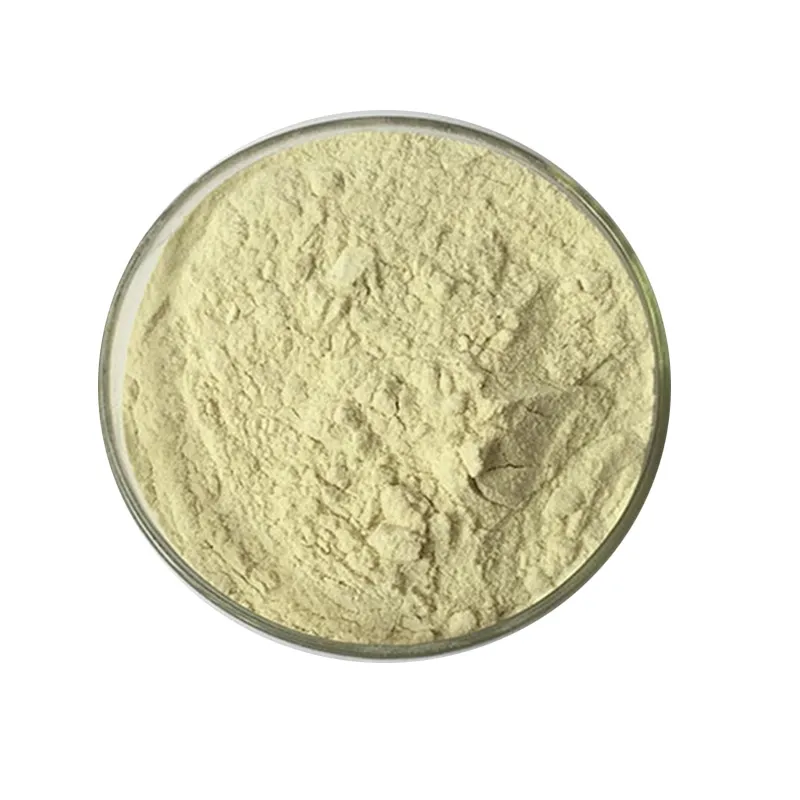
Collagenase, CAS 9001-12-1, is an enzyme preparation used to hydrolyze collagen, a major structural protein in connective tissue and the extracellular matrix. By cleaving peptide bonds within collagen, the enzyme helps disassemble collagen-rich structures and can facilitate the release of cells embedded in tissue matrices.
The name collagenase covers enzymes and enzyme preparations with collagen-degrading activity rather than a single small-molecule chemical. Some preparations contain multiple collagenase components and may also exhibit secondary protease activities. These accompanying activities can influence the rate of tissue dissociation, the extent of matrix digestion, and the preservation of cell-surface proteins. Consequently, products identified by the same CAS number should not automatically be assumed to have identical activity profiles.
In laboratory workflows, collagenase is commonly used to process tissue samples before cell isolation, primary cell culture, or downstream biological analysis. The appropriate preparation depends on the tissue being processed, its collagen content, the desired cell population, and the sensitivity of the target cells to proteolytic treatment. Enzyme concentration, incubation time, temperature, and solution composition all affect the outcome.
Collagenase is also used in research examining extracellular matrix remodeling, collagen degradation, and tissue structure. In these applications, the enzyme provides a means of studying how collagen-rich materials respond to controlled enzymatic treatment. Experimental conditions should be selected to achieve the intended degree of digestion while limiting unwanted damage to other biological components.
Because collagenase is a biological catalyst, its performance is better characterized by activity and preparation-specific data than by a conventional molecular formula or molecular weight. Relevant purchasing parameters include enzyme activity per unit mass, activity assay method, source organism, secondary protease profile, physical form, and intended research application. If the work requires a purified enzyme, a defined enzyme type, or a preparation with restricted secondary protease activity, those characteristics should be specified explicitly.
Chemical Properties
| Property | Details |
|---|---|
| Product Name | Collagenase |
| CAS Number | 9001-12-1 |
| EC Number | 3.4.24.3 for the associated collagenase enzyme classification |
| Chemical Category | Enzyme; proteolytic enzyme |
| Biological Function | Catalyzes the hydrolysis of collagen |
| Primary Substrate | Collagen |
| Enzyme Type | Protein catalyst; specific enzyme composition depends on the preparation |
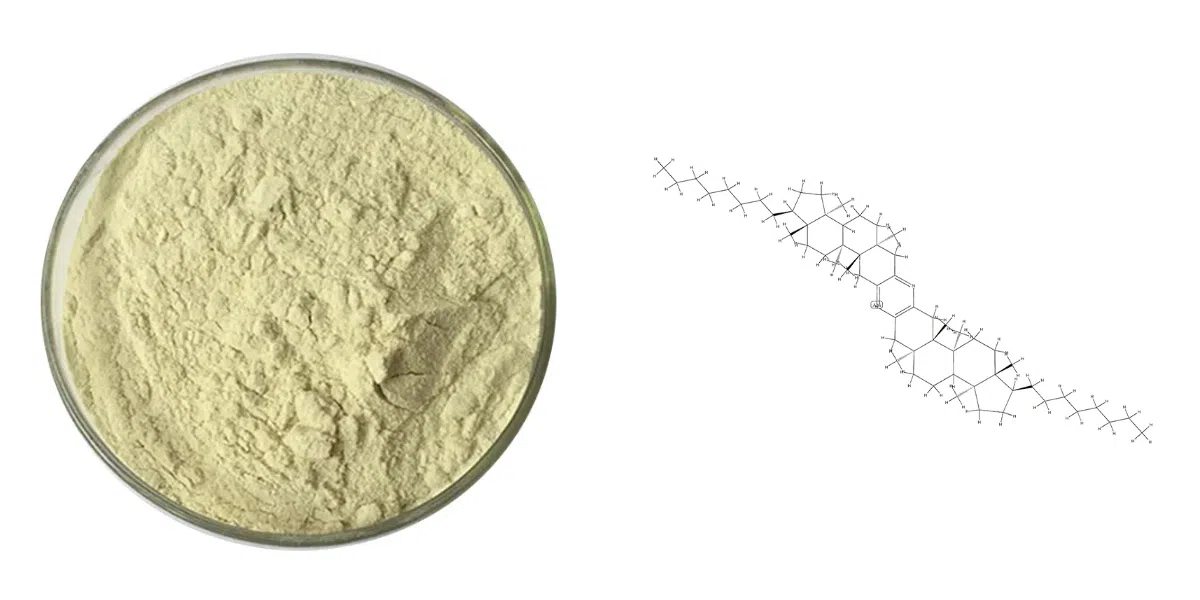
| Molecular Formula | Not represented by one universal formula for commercial collagenase preparations |
| Molecular Weight | Preparation-dependent; no single molecular weight applies to all collagenase mixtures |
| Typical Source | Certain bacterial sources, including Clostridium histolyticum, are used for collagenase production; confirm the source of the supplied grade |
| Physical Form | May be supplied as powder, lyophilized material, or solution, depending on the grade |
| Appearance | Grade-dependent; verify the supplied product specification |
| Activity Specification | Reported in enzyme activity units; values and assay definitions vary by product and method |
| Reaction Type | Enzymatic hydrolysis of peptide bonds in collagen |
| Activity Conditions | Depend on enzyme preparation, temperature, pH, substrate, and solution composition |
| Factors Affecting Performance | Enzyme activity, secondary protease content, incubation time, substrate characteristics, and reaction conditions |
| Storage | Follow the grade-specific product instructions; temperature requirements depend on formulation and stability data |
Product Applications
1. Primary Cell Isolation
Collagenase is used to digest collagen-rich extracellular matrices during the preparation of primary cell suspensions. The enzyme grade and digestion conditions should be selected according to the tissue source and the sensitivity of the target cells.
2. Tissue Dissociation Research
The enzyme helps separate cells from structural tissue components by breaking down collagen. Researchers can adjust enzyme concentration and incubation conditions to obtain the desired degree of tissue dissociation.
3. Cell Culture Preparation
Collagenase may be used during the preparation of cells for subsequent culture experiments. The suitability of a particular preparation depends on its activity profile, residual enzyme removal requirements, and compatibility with the downstream culture procedure.
4. Extracellular Matrix Studies
Researchers use collagenase to investigate collagen-rich matrices and study how enzymatic degradation affects tissue structure, matrix composition, and related biological processes.
5. Collagen Degradation Assays
Collagenase can be used in experimental systems designed to measure collagen hydrolysis or compare the susceptibility of collagen-containing materials to enzymatic digestion. Appropriate controls and a defined activity assay are important for interpreting results.
6. Tissue Engineering and Biomaterial Research
In selected research settings, collagenase is used to examine the degradation of collagen-based materials or to process biological matrices. Material compatibility and the desired extent of degradation should be established before applying the enzyme to a specific experimental system.
FAQ
Q1: What is Collagenase CAS 9001-12-1?
Collagenase is an enzyme or enzyme preparation that catalyzes the breakdown of collagen. It is used in tissue processing, cell isolation, and collagen degradation research.
Q2: Does collagenase have a single molecular formula?
No single molecular formula describes all commercial collagenase preparations. Collagenase products may contain different enzyme components and, depending on the preparation, additional proteolytic activities.
Q3: What is the difference between collagenase activity and product mass?
Product mass indicates how much material is present, while enzyme activity measures the material's catalytic capability under a specified assay. Activity values should be compared only when the relevant assay definitions and conditions are understood.
Q4: What factors influence collagenase performance?
Performance depends on the enzyme preparation, activity, substrate type, temperature, pH, incubation time, and solution composition. Secondary protease activities can also affect the outcome of tissue digestion.
Q5: How should I select a collagenase grade?
Consider the tissue or substrate, required digestion profile, target-cell sensitivity, activity specification, and secondary protease characteristics. For work requiring a specific enzyme type or a restricted contaminating protease profile, confirm that the product specification explicitly meets those requirements.
Q6: What should be checked before purchasing collagenase?
Review the CAS number, source organism, activity units and assay method, physical form, secondary protease profile, purity information, and storage requirements. If the enzyme is intended for a sensitive cell isolation or other specialized biological procedure, confirm that the selected grade is suitable for that specific application.


