

Product Description
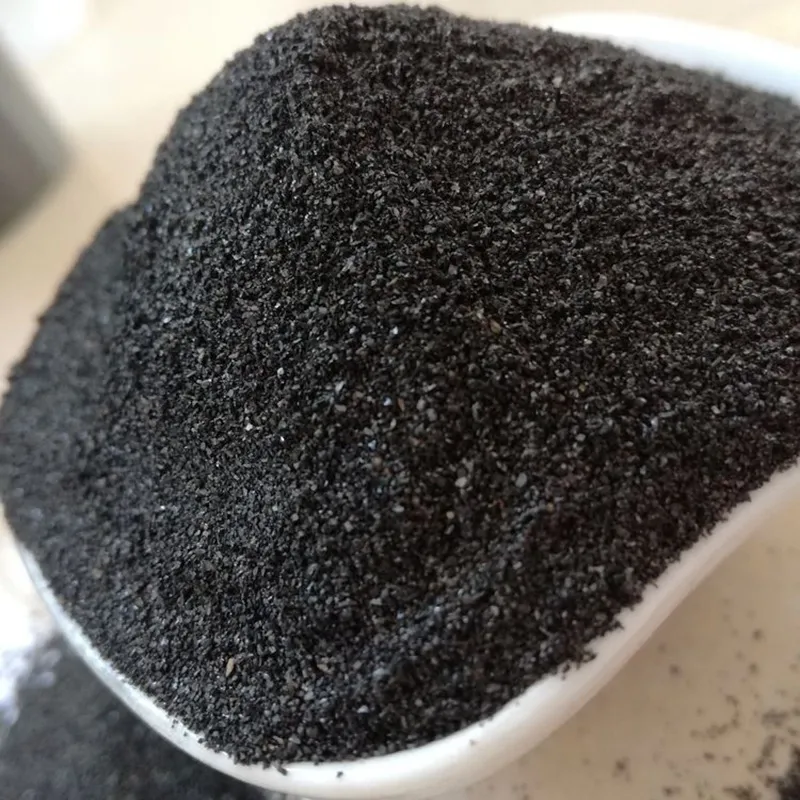
Copper chromite, CAS 12018-10-9, is a copper–chromium oxide material primarily associated with heterogeneous catalysis. It is commonly supplied as a brown to black powder, although appearance and physical form can vary with composition, manufacturing method, and product grade.
Copper chromite is best known for its role in selected hydrogenation reactions. In these processes, the solid catalyst provides a surface on which reactants can interact under controlled operating conditions. Its suitability depends on the chemical structure of the substrate, hydrogen pressure, reaction temperature, feed composition, and catalyst preparation or activation procedure. Results obtained with one catalyst grade should not automatically be applied to another.
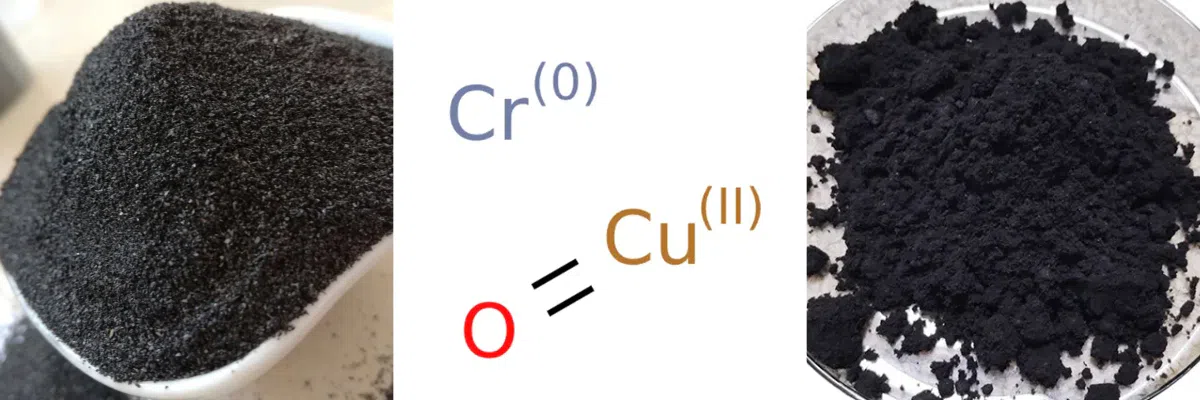
The term copper chromite can refer to materials whose reported compositions differ across chemical references and commercial specifications. Some records use different empirical formulas for copper–chromium oxide materials associated with this name and CAS number. For that reason, a single molecular formula or molecular weight should not be treated as universally representative of every commercial catalyst sold under this designation. The actual elemental composition, copper-to-chromium ratio, oxidation-state distribution, and any added promoters should be confirmed from the relevant technical specification.
In practical catalyst selection, composition is only one consideration. Particle size, surface characteristics, mechanical strength, moisture content, and the condition in which the catalyst is supplied can influence handling and process performance. Some catalyst systems also require controlled activation before use, so the preparation procedure should be established for the specific grade rather than inferred from the general product name.
Copper chromite may be evaluated in industrial organic synthesis and other suitable catalytic processes where its documented activity matches the target reaction. Before purchasing, users should confirm the intended catalytic application, material composition, physical form, relevant impurity limits, and activation requirements. Because chromium-containing materials may present significant occupational and environmental hazards, the product-specific safety documentation and chromium-speciation information should also be reviewed as part of the material qualification process.
Chemical Properties
| Property | Details |
|---|---|
| Product Name | Copper Chromite Catalyst |
| CAS Number | 12018-10-9 |
| Common Names | Copper Chromite; Copper(II) Chromite; Cupric Chromite |
| Material Category | Copper–chromium oxide catalyst |
| Molecular Formula | Composition-dependent; verify the supplied grade before assigning a definitive formula |
| Molecular Weight | Depends on the confirmed chemical composition; do not assume a universal value |
| Typical Appearance | Brown to black powder; grade-dependent |
| Physical Form | Commonly supplied as a powder; other forms may be available |
| Water Solubility | Generally described as insoluble or sparingly soluble; behavior depends on the actual material and test conditions |
| Density | Some references report approximately 5.4 g/cm³ for particular copper chromite materials; confirm the value for the supplied grade |
| Primary Catalytic Use | Selected hydrogenation reactions |
| Other Potential Catalytic Uses | Certain other organic reactions, subject to catalyst composition and validated process data |
| Composition Considerations | Copper-to-chromium ratio, oxidation states, promoter content, and residual species should be confirmed from product documentation |
| Storage | Keep in compatible, tightly closed packaging under the conditions specified in the product-specific safety documentation |
| Handling Considerations | Avoid generating or inhaling dust; use appropriate protective measures and prevent uncontrolled environmental release |
Product Applications
1. Hydrogenation of Organic Compounds
Copper chromite is used in selected hydrogenation processes involving suitable organic substrates. Catalyst grade, substrate structure, hydrogen pressure, temperature, and reaction conditions determine its applicability and performance.
2. Hydrogenation of Oxygen-Containing Functional Groups
Certain copper chromite catalysts are used in reactions involving oxygen-containing organic compounds, including selected carbonyl-containing substrates. Reaction selectivity and conversion must be established for the specific catalyst and process.
3. Industrial Organic Synthesis
The material can be evaluated as a heterogeneous catalyst in appropriate organic synthesis routes. Its suitability depends on the required transformation, feed purity, catalyst composition, and downstream separation requirements.
4. Catalytic Process Development
Copper chromite may be assessed during laboratory or pilot-scale development of catalytic processes. Evaluation can include activity, selectivity, catalyst stability, regeneration behavior, and the influence of operating conditions.
5. Catalyst Performance and Materials Research
Researchers may use copper chromite materials to investigate relationships between composition, surface characteristics, and catalytic behavior. Accurate characterization is important when comparing materials with different copper–chromium ratios or preparation histories.
FAQ
Q1: What is Copper Chromite Catalyst CAS 12018-10-9?
It is a copper–chromium oxide material associated with heterogeneous catalysis, particularly selected hydrogenation reactions. The exact composition should be confirmed for the supplied grade.
Q2: What is the molecular formula of copper chromite?
Published records associate the name with different formula representations. Because commercial compositions and reference assignments may differ, verify the formula against the specific product's composition data rather than assuming a universal molecular formula.
Q3: What is copper chromite mainly used for?
Its principal established application is as a catalyst in selected hydrogenation reactions. Other uses depend on the catalyst grade and supporting process data.
Q4: What color and physical form should I expect?
Copper chromite is commonly described as a brown to black powder. Actual appearance and particle characteristics may vary by grade and manufacturing process.
Q5: What should be checked before purchasing copper chromite?
Confirm the CAS number, elemental composition, copper-to-chromium ratio, physical form, particle-size specification, promoter content if applicable, and intended catalytic use. Review the relevant safety documentation and any available data on chromium oxidation states.
Q6: Are all copper chromite catalyst grades interchangeable?
No. Differences in composition, preparation, surface properties, particle size, and activation requirements can affect catalytic performance. Qualification should be based on the intended reaction and the specification of the actual material.
Q7: What handling precautions are important?
Review the product-specific safety data before handling. Minimize dust generation, use appropriate personal protective equipment and ventilation, and prevent releases to the environment. Chromium-containing catalyst materials should be assessed using the actual composition and chromium-speciation data.


