

Product Description
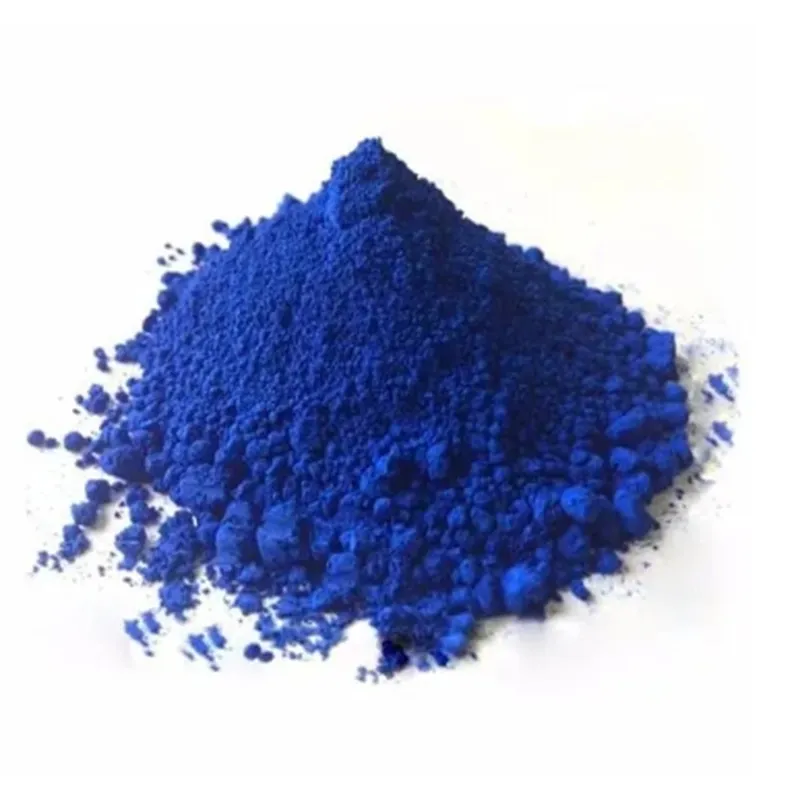
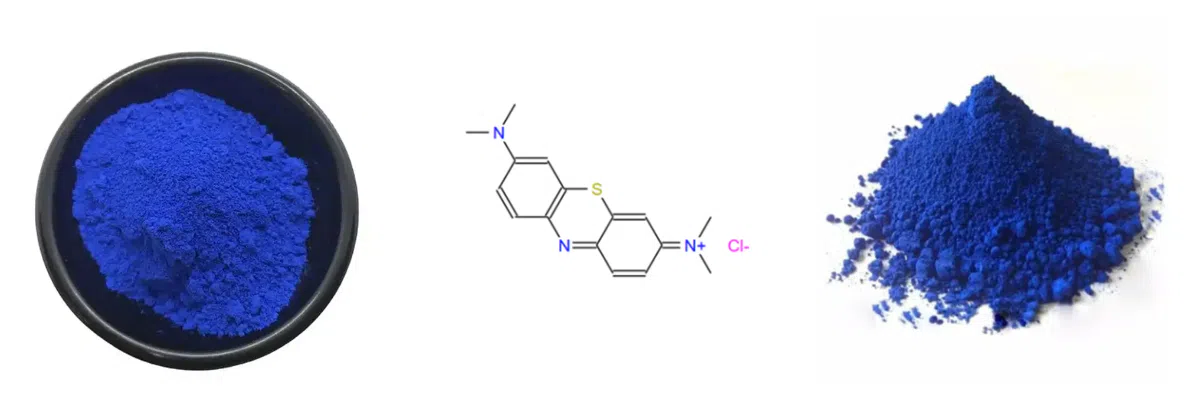
Methylene Blue, also known as Methylthioninium Chloride or Basic Blue 9, is a cationic phenothiazine dye identified by CAS No. 61-73-4. Its molecular formula is C16H18ClN3S, and its molecular weight is approximately 319.85 g/mol. The compound is recognized for its strong blue coloration and its ability to participate in reversible oxidation–reduction processes under suitable conditions.
The material is commonly supplied as a dark green to bronze-colored crystalline powder or solid, while its aqueous solutions display a vivid blue color. Actual appearance and assay depend on the commercial grade, moisture content, and whether the material is supplied in an anhydrous or hydrated form. These distinctions should be confirmed before comparing products from different sources.
Methylene Blue has applications in biological staining, microscopy, laboratory reagent work, and selected technical dyeing processes. In analytical settings, its color response and redox behavior can be useful in appropriate procedures. The performance of the material depends on solution conditions, concentration, pH, and the method being used.
For procurement, the most important considerations are chemical identity, assay, moisture or hydration status, impurity profile, and the documentation supplied with each batch. A grade intended for general technical use should not automatically be treated as suitable for microscopy, analytical testing, food-related use, or pharmaceutical applications. Buyers should specify the intended use and verify the corresponding grade requirements before ordering.
Chemical Properties
| Property | Details |
|---|---|
| Product Name | Methylene Blue |
| CAS Number | 61-73-4 |
| Chemical Name | Methylthioninium Chloride |
| Common Synonym | Basic Blue 9 |
| Molecular Formula | C16H18ClN3S |
| Molecular Weight | 319.85 g/mol |
| EC Number | 200-515-2 |
| Chemical Class | Cationic phenothiazine dye |
| Appearance | Typically dark green to bronze-colored crystalline solid or powder; grade-dependent |
| Color in Aqueous Solution | Blue |
| Ionic Character | Cationic dye |
| Water Solubility | Soluble in water; solubility depends on temperature and material grade |
| Functional Characteristics | Dyeing, staining, and redox-related behavior under suitable conditions |
| Storage | Keep tightly closed and follow the supplier’s technical data sheet and safety data sheet. Protect from unsuitable environmental conditions and light exposure where specified. |
Product Applications
1. Microscopy and Biological Staining
Appropriate laboratory grades of Methylene Blue are used in selected staining procedures to improve contrast and help visualize cellular structures. Suitability depends on the staining protocol and the purity requirements of the application.
2. Laboratory Reagent Applications
Methylene Blue can be used in laboratory experiments involving dye behavior, color changes, and oxidation–reduction processes. Experimental results depend on solution composition, concentration, pH, and other reaction conditions.
3. Technical Dyeing and Coloring
Its strong blue color makes Methylene Blue relevant to selected technical dyeing and coloring processes. Compatibility, color performance, and application suitability should be tested with the intended substrate and process conditions.
4. Analytical and Educational Demonstrations
The dye may be used in appropriate demonstrations of color response and redox behavior. For quantitative analysis, users should select a grade that meets the method’s documented purity and performance requirements.
5. Specialized Research Applications
Methylene Blue is used in research settings that investigate dyes, phenothiazine compounds, and related chemical behavior. Research use should follow the applicable laboratory safety procedures and the restrictions associated with the specific grade.
FAQ
Q1: What is Methylene Blue?
Methylene Blue is a cationic phenothiazine dye also known as Methylthioninium Chloride or Basic Blue 9. It is recognized for its intense blue color in aqueous solution and its use in selected staining, dyeing, and laboratory applications.
Q2: What is the CAS number of Methylene Blue?
The CAS number of Methylene Blue is 61-73-4. Buyers should confirm the CAS number and hydration status on the product specification before purchasing.
Q3: What is the molecular formula of Methylene Blue?
The molecular formula is C16H18ClN3S, and the molecular weight is approximately 319.85 g/mol for the compound represented by CAS 61-73-4.
Q4: Is Methylene Blue soluble in water?
Yes. Methylene Blue is soluble in water and typically forms a blue solution. The resulting color intensity and dissolution behavior depend on concentration, temperature, and the material grade.
Q5: Is Methylene Blue the same as Basic Blue 9?
Basic Blue 9 is a recognized dye name associated with Methylene Blue. For commercial purchasing, confirm the CAS number and product specification rather than relying on the name alone.
Q6: What is the difference between Methylene Blue and Methylene Blue Trihydrate?
They refer to different hydration states or commercial material specifications. Methylene Blue Trihydrate is commonly associated with CAS 7220-79-3, whereas this page identifies the product as CAS 61-73-4. Verify the supplier’s label, assay basis, and moisture specification before treating the products as interchangeable.
Q7: What grades of Methylene Blue are available?
Available grades depend on the supplier and product range. General technical, laboratory reagent, and microscopy-related grades may have different purity and impurity requirements. Confirm the grade and supporting documentation before use.
Q8: What should buyers check before ordering Methylene Blue?
Confirm the CAS number, assay, hydration status, appearance, intended application, packaging, and batch documentation. For laboratory or microscopy use, ensure that the supplied grade meets the method-specific requirements.
Q9: How should Methylene Blue be stored?
Store it in a tightly closed, appropriately labeled container and follow the supplier’s safety data sheet. Protect the material from conditions that may affect its stability or quality, including light exposure when specified.
Q10: Can all Methylene Blue grades be used for the same applications?
No. Different grades may vary in purity, impurity profile, moisture content, and quality controls. A grade suitable for technical coloring may not meet the requirements for analytical or microscopy work.


